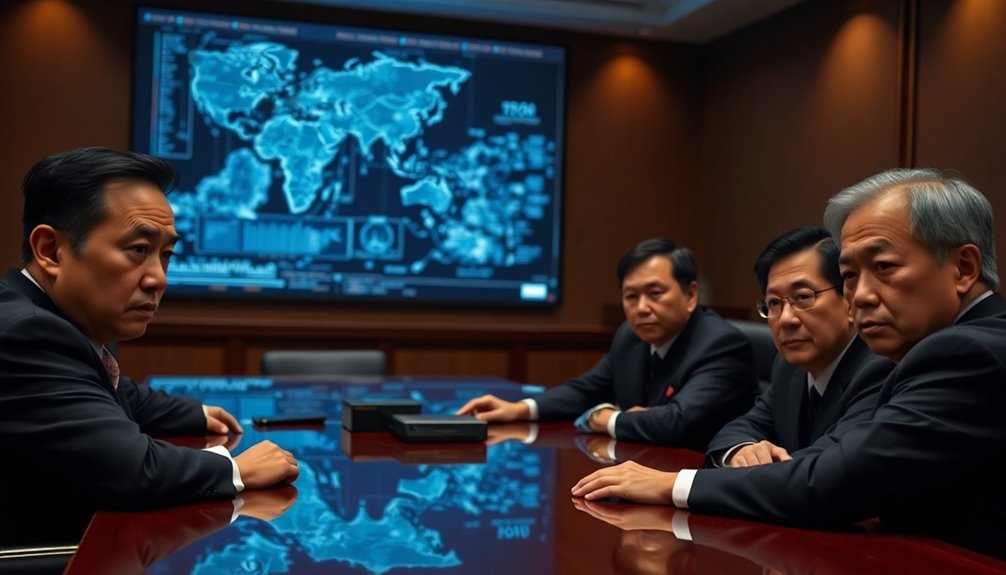

As tensions escalate between Taiwan and China, several Taiwanese officials have been charged with cyber espionage, underscoring the serious threat posed by foreign intelligence efforts. This recent spike in espionage cases highlights a growing concern over the infiltration of Taiwanese military and governmental structures by Chinese intelligence.

Get privacy and security gear delivered free — and shop member deals
- Fast, free delivery on millions of items
- Access to Prime Big Deal Days deals on October 6–7
- Prime Video, Amazon Music and more included
You might find it alarming that many of those implicated are active-duty or retired military personnel, making them prime targets for espionage activities aimed at gaining sensitive military information.
The accusations against these officials include serious allegations of conducting cyberattacks and distributing fake news aimed at undermining mainland China. China’s Ministry of State Security (MSS) has been vocal about its accusations, even providing personal details about the individuals involved. The MSS claims that these officials hacked into critical infrastructure systems and spread propaganda, contributing to the ongoing political strife between Taiwan and China.
In response to these espionage incidents, Taiwanese authorities have taken a firm stance. They’ve charged several individuals with leaking military information, reflecting a determination to address these security breaches. Recently, four Taiwanese soldiers were charged with spying for China, highlighting the urgency of counter-intelligence measures.
You may notice that Taiwan is also implementing new measures to combat espionage, including potential military courts to handle such cases more rigorously. The Taiwanese government is increasing scrutiny of Chinese influence in various sectors, from politics to entertainment, aiming to safeguard national security.
While it’s crucial to understand the accusations coming from China, it’s equally important to recognize the international implications of these espionage activities. These incidents are part of a broader struggle for influence in the region, and they expose vulnerabilities within Taiwan that could be exploited by foreign powers.
The situation is complex, and the stakes are high as both sides navigate this contentious relationship.
The types of espionage cases you should be aware of range from military espionage to cyberattacks and fake news operations. Payments often entice individuals to engage in such illicit activities, complicating the landscape even further.
The ongoing tension between China and Taiwan has historical roots, and the rise in espionage is a reflection of that longstanding conflict.
Ultimately, the actions taken by Taiwanese officials and their government will shape the future of Taiwan’s security landscape. As you stay informed about these developments, remember that the fight against espionage isn’t just a national issue but an international concern that could influence geopolitics in the region for years to come.
cybersecurity software for government agencies
As an affiliate, we earn on qualifying purchases.
As an affiliate, we earn on qualifying purchases.
Fall Picks
fall essentials
As an affiliate, we earn on qualifying purchases.