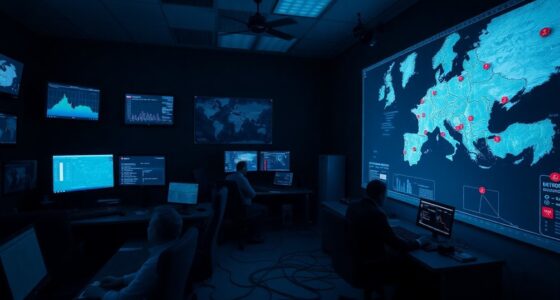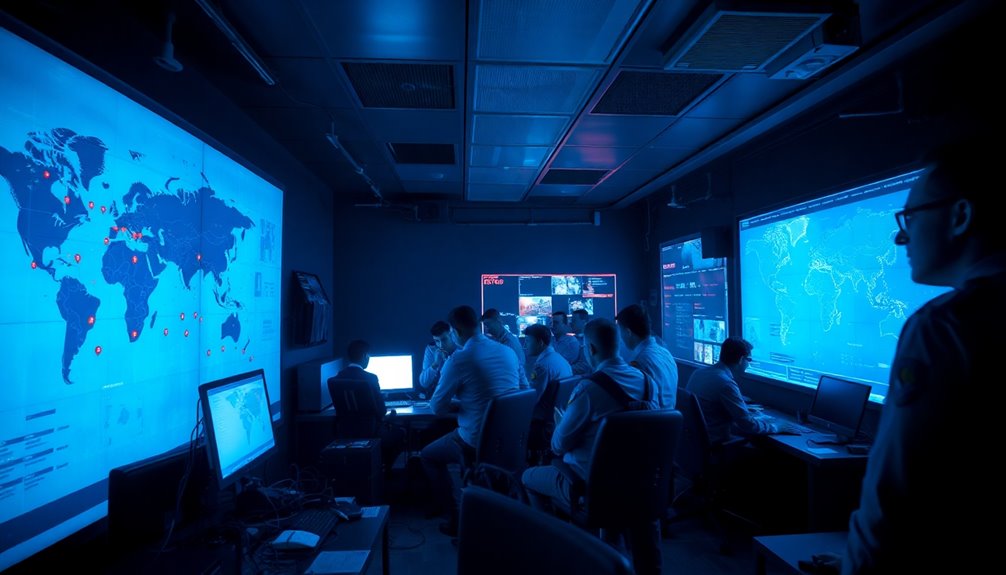


As North Korea continues to expand its cyber capabilities, much of the world remains unaware of the sophisticated espionage operations led by its elite hacking unit, Bureau 121. This agency, governed by the Reconnaissance General Bureau (RGB), is at the forefront of cyber warfare, targeting countries like South Korea, Japan, and the United States. With a focus on defense, aerospace, and nuclear sectors, Bureau 121 aims to acquire sensitive information and intellectual property through espionage and cyber-enabled financial crimes.

Get privacy and security gear delivered free — and shop member deals
- Fast, free delivery on millions of items
- Access to Prime Big Deal Days deals on October 6–7
- Prime Video, Amazon Music and more included
You might find it unsettling that Bureau 121 is composed of more than 600 highly trained hackers, with estimates suggesting an even larger total membership. These individuals are selected from prestigious universities and undergo rigorous training to prepare for their missions. The RGB has specialized operational units, such as the 3rd Bureau, which is dedicated to conducting cyber espionage and ransomware operations. The establishment of new departments, like Research Center 227, indicates North Korea’s commitment to enhancing its cyber capabilities further. Additionally, North Korea’s cyber capabilities are linked with nuclear weapons as a strategic tool, emphasizing the dual threat they pose.
Bureau 121’s targets are strategic, focusing on industries that provide a competitive edge. Their methods include ransomware attacks and sophisticated cyber threats designed to disrupt operations and steal data. You can imagine the complexity of their techniques, which involve web shells and exploiting vulnerabilities for network infiltration. By leveraging custom malware and advanced hacking tools, they can achieve their objectives while often operating through third-party countries to avoid detection.
In terms of revenue, the cyber theft perpetrated by Bureau 121 generates hundreds of millions of dollars annually. They’ve reportedly stolen over $2 billion in cryptocurrency and use ransomware to fund their espionage activities. This financial strategy aims to circumvent international sanctions, resulting in substantial economic losses for targeted countries and businesses.
Notable operations, like the 2016 Bangladesh Central Bank heist, exemplify the unit’s capabilities. They managed to steal $81 million using a hack of the SWIFT system. Additionally, the infamous Sony Pictures hack in 2014 and the 2017 WannaCry ransomware attack highlight their global reach. The Contagious Interview Campaign, which spreads malware through fake job interviews, showcases their inventive tactics.
As North Korea continues to refine its cyber warfare capabilities, it’s essential to remain vigilant. The emergence of AI-focused cyber attacks and asymmetric warfare tactics signifies a new era of espionage where Bureau 121 plays a crucial role in North Korea’s military strategy.
cybersecurity threat detection software
As an affiliate, we earn on qualifying purchases.
As an affiliate, we earn on qualifying purchases.
Fall Picks
fall essentials
As an affiliate, we earn on qualifying purchases.