Embassies become espionage hubs because diplomatic immunity protects staff from arrest and prosecution, allowing spies to operate freely under the guise of diplomatic activities. This legal shield enables covert operations like surveillance, communication interception, and data gathering without fear of legal repercussions. They serve as ideal physical bases for intelligence gathering, blending diplomatic work with clandestine missions. To uncover how these embassies maintain such covert operations and the risks involved, keep exploring this complex world.
Key Takeaways
- Embassies’ diplomatic immunity shields spies from arrest, enabling covert operations without legal repercussions.
- They serve as ideal locations for espionage activities like surveillance, communication interception, and cyber espionage.
- Diplomatic status allows spies to operate under the guise of diplomatic work, blending seamlessly with legitimate staff.
- Embassies’ physical presence and protections make them strategic bases for intelligence gathering and covert activities.
- The blurred line between diplomacy and espionage turns embassies into clandestine hubs for foreign intelligence operations.

Have you ever wondered how some spies operate unnoticed in the heart of foreign nations? It all comes down to the unique status granted by diplomatic immunity. When a person is posted as a diplomat, they’re protected by international law, specifically the Vienna Convention on Diplomatic Relations. This immunity shields them from prosecution and arrest, allowing them to move freely and carry out their duties without interference from local authorities. While this privilege is intended to foster diplomatic relations, it also makes embassies ideal cover spots for covert operations. Spies leverage this immunity to gather intelligence, conduct surveillance, and even engage in clandestine activities that would be impossible for ordinary operatives.
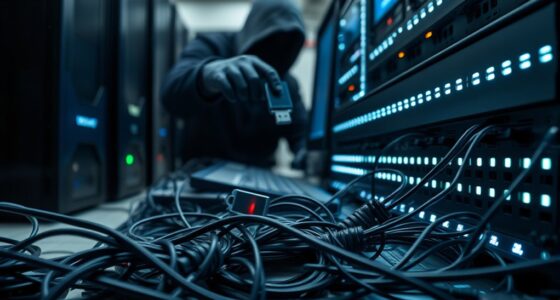
Imagine being stationed at an embassy, where you have diplomatic privileges that provide a legal shield against most legal actions. This immunity means that if you’re caught spying, your home country can often intervene, insisting on diplomatic channels to resolve the situation. This complicates efforts for foreign governments to root out espionage activities, as diplomatic immunity offers a layer of protection that’s difficult to penetrate. Embassies, consequently, become more than just offices for diplomacy; they transform into hubs for espionage, capable of supporting covert operations with relative impunity. These covert operations might include intercepting communications, installing listening devices, or even engaging in cyber espionage—all under the guise of diplomatic work.
You might not realize it, but when you’re near an embassy, you’re in the vicinity of a potential espionage hub. Spies often operate behind the facade of diplomatic staff, blending seamlessly into the environment while executing their missions. They utilize the diplomatic immunity not just as a shield, but as a tool that gives them the freedom to move, communicate, and act without immediate fear of arrest or prosecution. This immunity doesn’t mean they are above the law forever; governments can revoke diplomatic immunity, but doing so involves complex diplomatic negotiations and can escalate tensions. Meanwhile, the embassy’s physical presence and diplomatic status make it an ideal base for covert operations, often making it difficult for foreign intelligence agencies to distinguish between legitimate diplomatic activities and espionage.
Additionally, understanding the diplomatic immunity concept is crucial for recognizing how these embassies function as clandestine hubs. In essence, embassies become strategic points in international espionage, leveraging diplomatic immunity to protect their covert operations. The line between diplomacy and espionage blurs within these walls, making them powerful and clandestine platforms for intelligence gathering. Whether it’s listening to foreign leaders’ conversations or collecting sensitive government data, spies under diplomatic cover use their protected status to operate with a significant advantage, turning embassies into silent, secret hubs of espionage activity.

AOBOCAM Anti-Spy Hidden Camera Detector with 99% Accuracy,Find GPS Trackers &Listening Devices Portable Privacy Protector for Hotel/Travel,Anti-Surveillance RF Bugs Detector with LED (Black)
- High-Precision Detection: AI-enhanced 99.9% accuracy for covert threats
- Multi-Alert System: Flashing LEDs, vibrations, and adjustable beeps
- Faster Room Scanning: 30% quicker with dual-sensor technology
As an affiliate, we earn on qualifying purchases.
As an affiliate, we earn on qualifying purchases.
Frequently Asked Questions
How Do Diplomats Avoid Suspicion While Spying?
To avoid suspicion while spying, you employ diplomat deception by blending into your environment and maintaining a low profile. You engage in covert interactions, ensuring your conversations seem innocuous and unrelated to espionage. You avoid obvious signs of deception, stay consistent with your diplomatic role, and use subtle cues to communicate. This careful balance helps you gather intelligence without raising alarms, keeping your true intentions hidden from those around you.
What Detection Methods Do Countries Use Against Espionage?
You should know that countries use detection methods like monitoring cryptographic protocols to intercept covert communications and surveilling diplomatic movements to track suspicious activity. They analyze digital signals for unusual patterns and use physical surveillance to observe embassy personnel’s behaviors. These techniques help identify espionage activities, making it harder for spies to operate undetected. Staying aware of these methods can help you understand how nations protect their sensitive information from espionage threats.
Can Embassy Staff Be Legally Searched for Spying?
You can’t typically legally search embassy staff for spying because of diplomatic immunity, which protects them from searches and arrest. This immunity limits legal search options, making it difficult for authorities to investigate without consent. While embassy premises can sometimes be searched under specific agreements or diplomatic protocols, individual staff members usually remain protected by diplomatic immunity, preventing routine searches for espionage.
How Do Spies Communicate Secretly Within Embassies?
You can communicate secretly within embassies by using encrypted messages that keep your information secure from eavesdroppers. Covert meetings are also common, often held in discreet locations or using signals that only your contacts understand. These methods guarantee your conversations stay hidden from prying eyes, allowing spies to exchange information safely without raising suspicion. Always stay aware of how your communication methods might be monitored or intercepted.
Are Diplomatic Cover Agents Ever Exposed Publicly?
Think of it like a game of hide and seek—you might be exposed, but it’s rare. Diplomatic cover agents rarely get publicly exposed thanks to diplomatic immunity, which shields them from prosecution. However, under cover operations can sometimes be uncovered through leaks, mistakes, or covert investigations. When that happens, the world watches as their true identities are revealed, shaking the trust in diplomatic relations and exposing the thin line between silence and exposure.

Attribution of Advanced Persistent Threats: How to Identify the Actors Behind Cyber-Espionage
As an affiliate, we earn on qualifying purchases.
As an affiliate, we earn on qualifying purchases.
Conclusion
So, next time you pass by an embassy, remember it’s more than just a diplomatic building. It could be a hub for espionage, blending diplomacy with covert operations. Would you ever suspect the friendly face behind the desk might be gathering secrets? While these hidden worlds thrive behind closed doors, it’s a reminder that appearances can be deceiving—and that espionage often operates right under our noses. Who really knows what’s happening behind those embassy walls?
As an affiliate, we earn on qualifying purchases.

XISRU 64GB Security Camera,1080P HD Mini Camera,Motion Detection
As an affiliate, we earn on qualifying purchases.
As an affiliate, we earn on qualifying purchases.