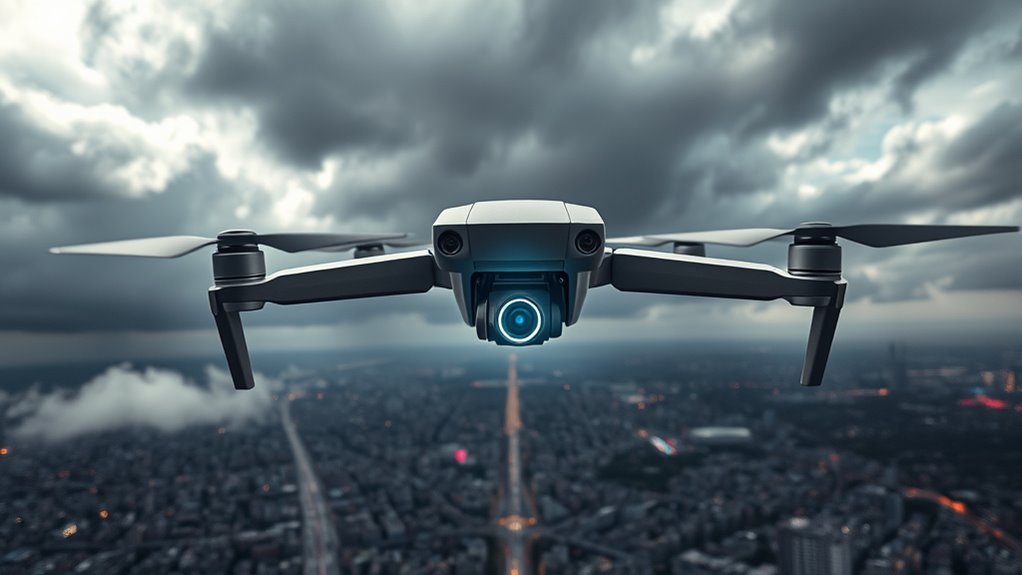

Drone surveillance works by using advanced aerial technology to monitor areas from above. You’ll see drones equipped with high-resolution cameras, thermal imaging, and GPS that allow for precise navigation and adaptive flight plans. They assist law enforcement, border patrol, and emergency responders in tracking targets and surveying large areas quickly. Exploring this topic further reveals how these high-tech eyes in the sky balance security with privacy concerns and evolving regulations.

Get privacy and security gear delivered free — and shop member deals
- Fast, free delivery on millions of items
- Access to Prime Big Deal Days deals on October 6–7
- Prime Video, Amazon Music and more included
Key Takeaways
- Drones use high-resolution cameras, sensors, and thermal imaging to capture aerial images and videos for surveillance.
- They are equipped with GPS and autonomous flight features for precise navigation and route planning.
- Operators control drones remotely or set pre-programmed routes for targeted or dynamic monitoring.
- Drones support various applications like law enforcement, border security, disaster response, and traffic monitoring.
- Privacy concerns arise from aerial data collection, prompting calls for regulations to balance security and personal privacy.

Have you ever wondered how modern surveillance systems keep tabs on everything from city streets to remote borders? The answer often lies in the use of drones equipped with advanced technology. These unmanned aerial vehicles, or UAVs, utilize aerial photography to capture high-resolution images and videos from the sky, providing authorities and organizations with a powerful tool for monitoring large areas quickly and efficiently. Whether it’s tracking traffic flow, surveying disaster zones, or enforcing border security, drones can cover vast expanses in a fraction of the time traditional methods take. Their ability to relay real-time data makes them invaluable for rapid response and situational awareness.
However, as these devices become more prevalent, concerns about privacy have surged. Aerial photography from drones can easily capture images of private properties, individuals, and everyday activities that would otherwise remain unseen. This raises questions about how much surveillance is acceptable and who should have access to the data collected. People worry about the potential for misuse, such as invasive monitoring or unwarranted surveillance of innocent civilians. The balance between enhancing security and respecting individual privacy is delicate, prompting lawmakers and civil rights advocates to push for regulations that limit drone usage in certain contexts. You might find yourself pondering where the line should be drawn—should drones be allowed to hover over neighborhoods or private land to gather information? Many argue that without strict controls, aerial photography can erode personal privacy and lead to a surveillance society where citizens feel constantly watched.
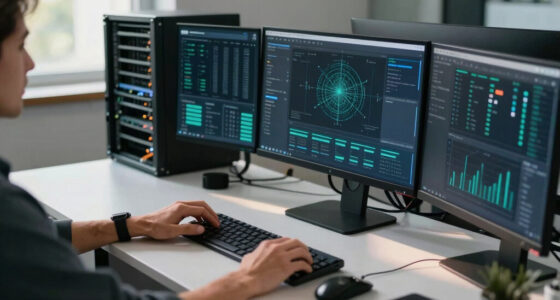
Despite these concerns, the technology behind drone surveillance continues to evolve rapidly. Modern drones are equipped with sophisticated sensors, cameras, and even thermal imaging, all controlled remotely by operators who use software to plan and execute flights. These systems often include GPS and autonomous flight capabilities, enabling drones to follow pre-set routes or respond dynamically to changing situations. This technological edge allows for precise, targeted surveillance that can adapt to different needs. For example, law enforcement agencies use drones to monitor protests or search and rescue missions, while border patrol employs them to detect illegal crossings. But with such power comes responsibility. The debate about privacy concerns remains ongoing, with many advocating for clear guidelines, transparency, and oversight to prevent abuse. As technology advances, the need for regulation to protect individual rights becomes increasingly critical.
In essence, drone surveillance offers remarkable capabilities that transform how we monitor and manage large-scale environments. Yet, it also challenges our concepts of privacy and personal freedom. As you observe these “eyes in the sky,” it’s important to weigh both the benefits of enhanced security and the potential risks to individual rights. The future of aerial surveillance hinges on finding a responsible balance—leveraging technology to protect and serve without infringing on the privacy of everyday people.
high-resolution drone camera
As an affiliate, we earn on qualifying purchases.
As an affiliate, we earn on qualifying purchases.
Frequently Asked Questions
What Are the Legal Restrictions on Drone Surveillance?
You must follow legal boundaries and privacy regulations when using drone surveillance. Laws vary by location but generally restrict flying over private property without permission, limit altitude, and require registration. You’re responsible for avoiding intrusive or illegal surveillance that infringes on individuals’ privacy. Staying informed about local, state, and federal rules helps you operate within these boundaries and guarantees your drone use remains lawful and respectful of others’ rights.
How Do Drones Avoid Obstacles During Flight?
During flight, your drone uses obstacle detection technology, like sensors and cameras, to identify obstacles in real-time. It then adjusts its flight path planning accordingly, smoothly maneuvering around objects to avoid collisions. You can rely on these systems to keep your drone safe, even in complex environments. This combination of obstacle detection and intelligent flight path planning ensures a smooth, secure flight, preventing accidents before they happen.
Can Drones Operate Autonomously Without Human Control?
Some experts believe drones can’t fully operate autonomously, but recent advances in sensor technology suggest otherwise. You can program drones for autonomous flight, allowing them to navigate, avoid obstacles, and complete tasks without human input. Using sophisticated sensors, they interpret their environment in real time, making decisions independently. So, yes, modern drones can operate autonomously, relying on sensor data and pre-set algorithms to perform complex missions without direct control.
What Privacy Measures Protect Individuals From Drone Spying?
You’re protected from drone spying through strict privacy measures that address privacy concerns and guarantee data protection. Regulations limit where and how drones can fly, requiring operators to obtain permissions and adhere to privacy laws. Data collected is often encrypted and securely stored, preventing unauthorized access. Additionally, many jurisdictions enforce surveillance restrictions, and public awareness campaigns help individuals understand their rights, reducing the risk of invasive drone activities.
How Is Drone Data Stored and Secured?
Think of drone data storage like a vault protected by digital locks. You’re responsible for safeguarding it through drone data encryption, which scrambles the information, making it unreadable to outsiders. Secure data storage ensures that all footage and sensor info are stored safely on encrypted servers. This combination keeps your drone data under lock and key, preventing unauthorized access and ensuring privacy and integrity at every turn.
Conclusion
Now that you know how drone surveillance works, it’s like having eyes in the sky watching over everything. These flying cameras can quickly scan large areas, providing vital information in real time. As technology advances, drones become even smarter, blending into the sky like stealthy birds. Just remember, while they bring safety and efficiency, respecting privacy remains essential. So, stay curious about these high-flying watchers—they’re shaping the future from above.
Fall Picks
fall essentials
As an affiliate, we earn on qualifying purchases.