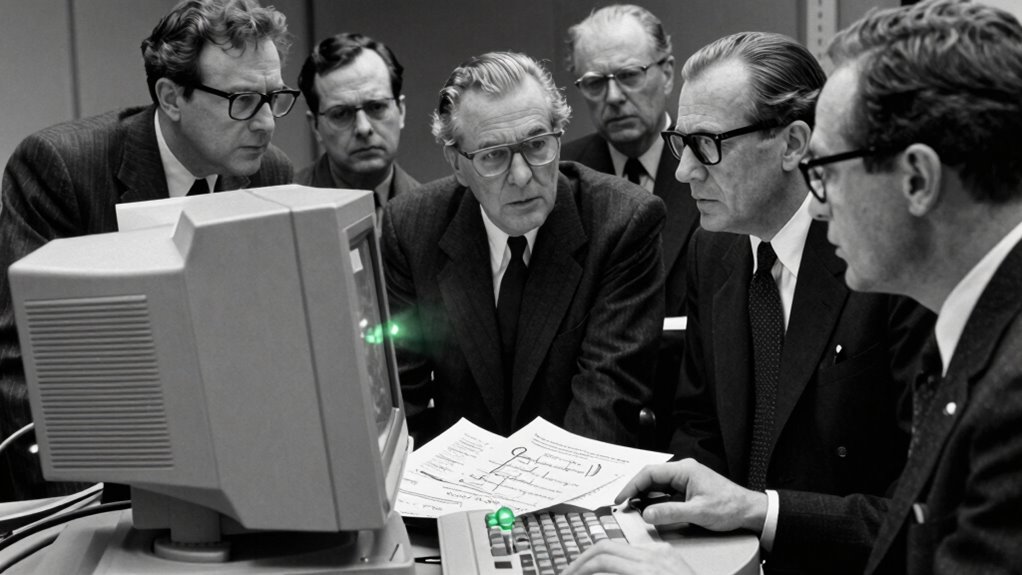

The encryption battles in the 1990s set up today’s policy fights by highlighting the core tension between security and privacy. Governments pushed for backdoors, fearing threats like terrorism, while tech companies and advocates stressed encryption’s role in protecting individual rights. These conflicts established patterns of resistance and complicated regulation, making current debates more complex. If you want to understand how these historic struggles influence today’s digital policies, there’s more to explore.

Get privacy and security gear delivered free — and shop member deals
- Fast, free delivery on millions of items
- Access to Prime Big Deal Days deals on October 6–7
- Prime Video, Amazon Music and more included
Key Takeaways
- The 1990s battles highlighted the tension between national security interests and individual privacy, shaping ongoing policy debates.
- Efforts to weaken encryption through backdoors in the 1990s demonstrated security vulnerabilities still relevant today.
- Resistance from tech companies and privacy advocates established principles supporting strong, unbackdoored encryption.
- Lessons learned about technological innovation outpacing regulation influence modern adaptive policy frameworks.
- The historical struggle informs current debates on balancing law enforcement access with digital privacy rights.

In the 1990s, the world witnessed a fierce clash over encryption that would shape the future of digital privacy and security. Governments argued that encryption was a threat to national security, while technologists and privacy advocates believed it was essential for individual rights. This debate was driven by rapid technological innovation, which made encryption more accessible and powerful. Governments pushed for backdoors or restrictions, claiming they needed access to encrypted communications for law enforcement and intelligence operations. They feared that without oversight, criminals and terrorists could exploit unbreakable encryption, making it impossible to prevent crime or terrorism.
In the 1990s, governments sought backdoors in encryption, citing security concerns, while privacy advocates emphasized individual rights and security.
At the same time, tech companies and privacy advocates fought back, emphasizing that strong encryption was vital for protecting personal data, financial transactions, and online privacy. They argued that weakening encryption or introducing government-mandated backdoors would undermine security for everyone, creating vulnerabilities that could be exploited by malicious actors. This tension sparked a series of legal battles, policy debates, and international discussions. The U.S. government, in particular, tried to impose restrictions, such as export controls on encryption tools, while companies like Netscape and Microsoft pushed for encryption to be freely available worldwide.
This era of encryption battles laid the groundwork for today’s policy fights. You see, the core issue remains the same: how to balance government surveillance needs with individual privacy rights. The technological innovation of the 1990s made encryption more widespread, which in turn made it harder for authorities to access information they deemed necessary for security. As encryption became more robust and easier to use, governments faced increasing resistance to their efforts to weaken it. Additionally, the lessons learned from these battles demonstrate how technological advancement can outpace regulation, making it difficult for policymakers to keep up. The ongoing debate over encryption highlights the importance of adaptive regulatory frameworks that can respond to rapid technological changes.
You can see, the push for backdoors, in particular, backfired because it created security gaps exploited by cybercriminals and foreign adversaries. The lessons learned then shape current discussions on privacy, security, and surveillance. The fundamental challenge remains: how do you enable law enforcement to do its job without compromising the security and privacy that encryption provides? The 1990s battles serve as a reminder that technological progress often outstrips policy, forcing societies to continually adapt their approach to digital rights and national security.
encryption software
As an affiliate, we earn on qualifying purchases.
As an affiliate, we earn on qualifying purchases.
Frequently Asked Questions
How Did the Clipper Chip Influence Encryption Policy Debates?
The Clipper chip considerably influenced encryption policy debates by highlighting the tension between government access and user privacy. You see, the chip was designed to give authorities a backdoor for surveillance, sparking fears over security and civil liberties. Its controversy forced policymakers to grapple with balancing national security needs against individual rights, setting a precedent for ongoing debates about encryption and government access that continue today.
What Role Did International Governments Play in 1990S Encryption Disputes?
International governments played a significant role in 1990s encryption disputes by engaging in cross-border cooperation and diplomatic negotiations. They aimed to balance national security concerns with privacy rights, often clashing over encryption standards and export controls. Your government participated in these discussions to influence policies, push for access, or defend encryption sovereignty. These negotiations laid the groundwork for today’s global debates on encryption, privacy, and surveillance.
How Did Public Opinion Shift During the Encryption Battles of the 1990S?
You might think public perception stayed steady during the 1990s encryption battles, but it actually shifted considerably. As privacy concerns grew, more people began supporting strong encryption to protect their data, fearing government overreach. Initially, many saw encryption as a tool for crime, but over time, the public’s view shifted to prioritize individual privacy rights. This change laid the groundwork for today’s ongoing debates about encryption and user privacy.
Were There Any Major Legal Cases Related to Encryption in the 1990S?
During the 1990s, major legal cases like the U.S. government’s export restrictions on cryptography legislation challenged your privacy concerns. The Clipper Chip controversy and the U.S. vs. Phil Zimmermann case highlighted disputes over national security versus individual privacy. These cases set a precedent, showing how legal battles over encryption could threaten your privacy rights and influence future policies, shaping ongoing debates about the balance between security and civil liberties.
How Did Technology Companies Respond to Government Encryption Demands?
Imagine you’re caught between a rock and a hard place—technology companies faced this dilemma when government encryption demands threatened digital privacy. They responded with corporate resistance, pushing back against mandates that could weaken security. They emphasized protecting user data and transparency, knowing that safeguarding digital privacy isn’t just a trend, but a fundamental right. Their stance shaped ongoing debates, making it clear that security and privacy go hand in hand.
Conclusion
You can see how the fierce encryption battles of the 1990s shaped today’s debates, especially around privacy and security. Remember, at the height of the controversy, over 90% of Americans supported strong encryption, yet governments pushed for backdoors. That’s like having a vault everyone trusts but also fears could be opened—highlighting the ongoing tension between security and privacy. These early fights continue to influence the policies that impact us all today.
Fall Picks
fall essentials
As an affiliate, we earn on qualifying purchases.