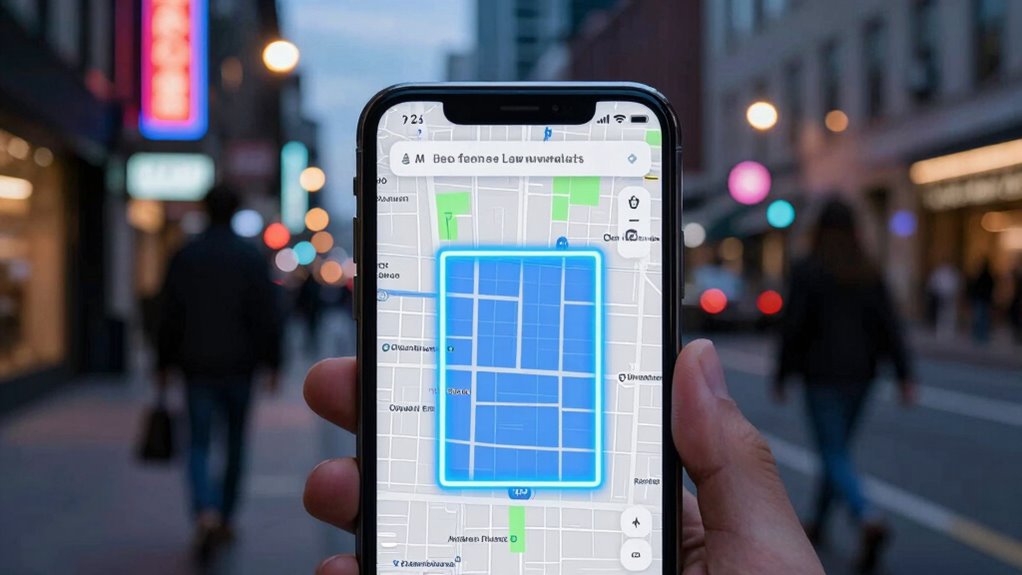

Geofence warrants trigger civil liberties concerns because they allow law enforcement to collect location data from everyone within a specific area, not just suspects. This broad data gathering can accidentally sweep up innocent people’s information without proper oversight or suspicion. It blurs the line between targeted surveillance and widespread monitoring, risking privacy violations. As technology advances, it’s important to understand how these warrants affect your rights—stay with us to learn more about this growing issue.

Get privacy and security gear delivered free with Prime
- Fast, free delivery on millions of items
- Prime Video, Amazon Music and more included
- Member-only deals all year
Key Takeaways
- They can collect data from innocent individuals without suspicion, infringing on privacy rights.
- Broad geographic scope leads to mass surveillance beyond targeted investigations.
- Lack of transparency and oversight increases risks of misuse and civil liberties violations.
- Data retention and sharing practices often remain unclear, raising privacy concerns.
- Evolving legal standards struggle to balance law enforcement needs with constitutional protections.

As technology advances, law enforcement agencies increasingly rely on geofence warrants to gather location data from vast areas, raising significant concerns about civil liberties. These warrants allow authorities to request data from technology companies about all devices within a specific geographic boundary during a certain period. While this tool can be useful for investigations, it also triggers serious privacy implications. You might not realize that your location data, along with countless others’, can be swept up without any suspicion of wrongdoing. This mass collection of information blurs the line between targeted surveillance and widespread data gathering, risking the privacy rights of innocent people.
Geofence warrants collect location data from large areas, risking innocent people’s privacy without suspicion or oversight.
The core issue lies in the broad scope of geofence warrants. Instead of focusing on a single suspect or specific location, law enforcement casts a wide net, capturing data from everyone within the designated area. As a result, many individuals who are completely unrelated to an investigation find their movements recorded and stored. This mass collection raises questions about how long such data is retained, who has access to it, and whether it’s used for purposes beyond the initial investigation. These concerns intensify when you consider the possibility of data being shared or sold, further eroding personal privacy. Additionally, the lack of transparency about how this data is managed fuels distrust among the public. Data privacy issues are central to these debates, highlighting the need for more oversight and regulation. Understanding how these data collection practices intersect with privacy rights is crucial for safeguarding civil liberties in a digital age.
Legal challenges also come into play because courts are still grappling with how to regulate these warrants. The Fourth Amendment protects against unreasonable searches and seizures, but geofence warrants test the limits of this protection. Prosecutors argue that these warrants are valid because they are tied to specific investigations, yet critics contend they are overly broad and violate constitutional rights. Defendants and privacy advocates are increasingly challenging the legality of these warrants, claiming they violate expectations of privacy in public spaces. Courts are now faced with balancing law enforcement needs with individual rights, a task complicated by the scale and scope of data collection involved. The evolving legal standards surrounding these warrants highlight the need for clearer regulations to prevent potential abuses.
Furthermore, the lack of clear legal standards and guidelines complicates the issue. Many jurisdictions haven’t established strict rules for issuing or reviewing geofence warrants, leaving room for abuse or overreach. This uncertainty causes concern among privacy advocates who fear that without proper oversight, these warrants could become a tool for mass surveillance, infringing on civil liberties unfairly. The debate continues over how to modernize privacy protections while still enabling law enforcement to use advanced tools for justice. In the meantime, you should be aware of how your location data could be part of a broader, often invisible, surveillance system driven by these warrants. It is crucial to understand that technological advancements in data collection have made it easier than ever for authorities to access vast amounts of personal information without targeted suspicion. Recognizing the legal boundaries surrounding these warrants is essential to maintaining public trust and protecting individual rights in a digital age.
privacy screen protector for smartphones
As an affiliate, we earn on qualifying purchases.
As an affiliate, we earn on qualifying purchases.
Frequently Asked Questions
How Do Geofence Warrants Differ From Traditional Search Warrants?
Geofence warrants differ from traditional search warrants because they target large data collection areas based on geographic locations, capturing information from numerous devices simultaneously. You might not realize how much privacy is at stake, as these warrants gather data from anyone nearby, raising significant privacy implications. Unlike traditional warrants that focus on specific evidence, geofence warrants sweep broad areas, increasing the risk of infringing on individuals’ civil liberties without probable cause.
What Legal Standards Are Required to Issue a Geofence Warrant?
Ironically, to get a geofence warrant, you need to meet surprisingly minimal legal standards—probable cause and specificity—though the surveillance implications are vast. Law enforcement must demonstrate that the data retention will likely yield evidence related to a crime, ensuring constitutional protections are respected. This delicate balance attempts to safeguard civil liberties while harnessing the power of broad data, making the legal thresholds both critical and contentious.
How Often Are Geofence Warrants Challenged in Court?
You might find that challenges to geofence warrants are relatively rare, but they are increasing as concerns over surveillance expansion grow. Courts are starting to scrutinize these warrants more closely due to privacy implications, especially regarding the scope and specificity of data collected. When challenged, legal arguments often focus on protecting civil liberties and limiting unwarranted government surveillance, highlighting the ongoing tension between law enforcement needs and individual privacy rights.
What Are the Privacy Risks for Innocent Bystanders?
You might think you’re safe, but geofence warrants cast a wide surveillance net, risking your privacy infringement. Innocent bystanders often get caught in the crossfire, their locations and routines tracked without suspicion. This broad data collection has serious privacy implications, turning everyday activities into potential evidence. Ironically, your casual outing could become evidence in a criminal investigation, highlighting how these warrants threaten civil liberties by disregarding individual privacy rights.
Are There Existing Laws Regulating Geofence Warrant Use?
Currently, there are limited laws specifically regulating geofence warrants, which fuels concerns over surveillance expansion and data privacy. You need to know that existing regulations often don’t fully address how law enforcement collects, stores, or shares location data from geofence warrants. As a result, you might find your privacy rights at risk, and lawmakers are calling for clearer rules to better protect citizens from unwarranted surveillance and data misuse.
Conclusion
As you consider geofence warrants, it’s clear they raise significant civil liberties concerns, especially around privacy rights. Did you know that in 2020 alone, law enforcement issued over 4,000 such warrants, capturing vast swaths of location data? While these tools can aid investigations, they also risk infringing on your right to privacy. Staying informed and advocating for clearer regulations helps guarantee your civil liberties aren’t compromised in the pursuit of security.
Halloween Picks
halloween
As an affiliate, we earn on qualifying purchases.