
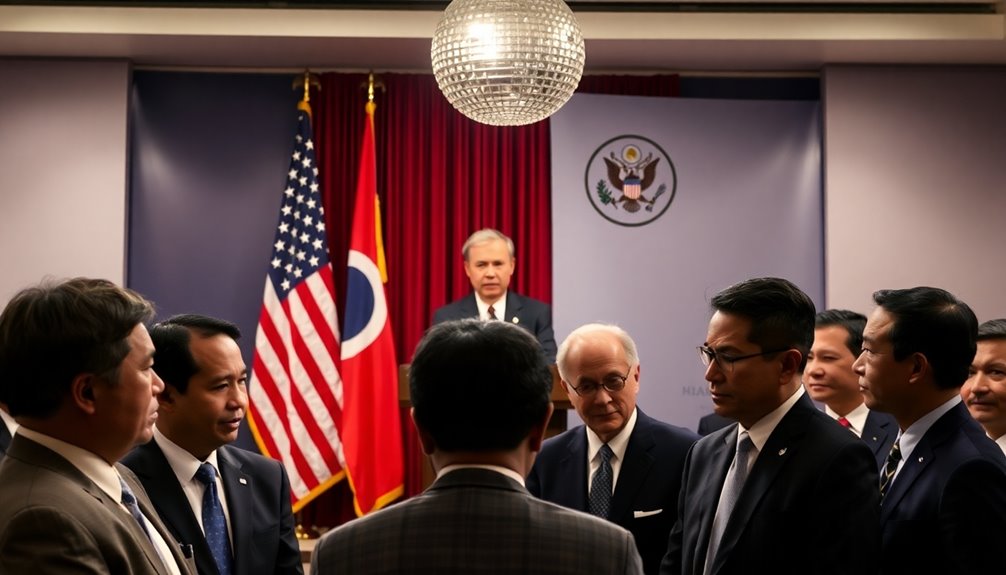
As the U.S. moves to hold accountable those responsible for human rights violations, it has imposed sanctions on Thai officials linked to the controversial deportation of Uyghurs to China. This action follows the deportation of at least 40 Uyghurs from Thailand on February 27, 2025, raising significant human rights concerns. Many worry about the potential for torture and enforced disappearances once these individuals arrive in China, where the government faces accusations of genocide against the Uyghur population.

Get privacy and security gear delivered free — and shop member deals
- Fast, free delivery on millions of items
- Access to Prime Big Deal Days deals on October 6–7
- Prime Video, Amazon Music and more included
The U.S. sanctions extend to current and former Thai officials involved in the deportations, including visa restrictions aimed at preventing further cooperation with China on similar issues. Secretary of State Marco Rubio has been vocal in condemning the deportations, emphasizing that it's crucial to protect Uyghurs from persecution. These sanctions also affect family members of the targeted officials, showcasing the U.S. commitment to halting forced returns of Uyghurs to China due to ongoing human rights concerns. Rubio's condemnation aligns with the U.S. government's ongoing commitment to combat China's pressure on governments regarding Uyghurs.
U.S. sanctions target Thai officials linked to Uyghur deportations, emphasizing the need to protect vulnerable populations from persecution.
In response, Thailand has defended its actions, labeling the deportations as the "best solution" to avoid backlash from China. With economic ties to China being vital for Thailand's growth, the Thai government appears to prioritize these relations over the humanitarian crisis facing the Uyghurs. Despite claims of a longstanding tradition of humanitarianism, Thailand's justification for deportations has drawn harsh criticism from international bodies, including the European Parliament, which condemned the country's actions.
Human rights organizations like Human Rights Watch have urged Thailand to reconsider its stance, warning against the dangers of forcibly repatriating the Uyghurs. The United Nations has echoed these concerns, highlighting the dire risks if the deported individuals are returned to China.
In stark contrast, China denies any allegations of human rights abuses, insisting that it treats the Uyghurs well.
The growing tensions stemming from this situation affect not just Thailand's international relations but also its economic prospects. While the U.S. has historically refrained from implementing harsher sanctions to prevent Thailand from drifting closer to China, the imposition of these recent sanctions may alter that dynamic.
With potential tariff threats looming, Thailand is caught in a complex web of regional and global pressures, forcing it to navigate the tumultuous waters of diplomacy while balancing humanitarian responsibilities with economic interests.
Uyghur human rights advocacy books
As an affiliate, we earn on qualifying purchases.
As an affiliate, we earn on qualifying purchases.
Fall Picks
fall essentials
As an affiliate, we earn on qualifying purchases.