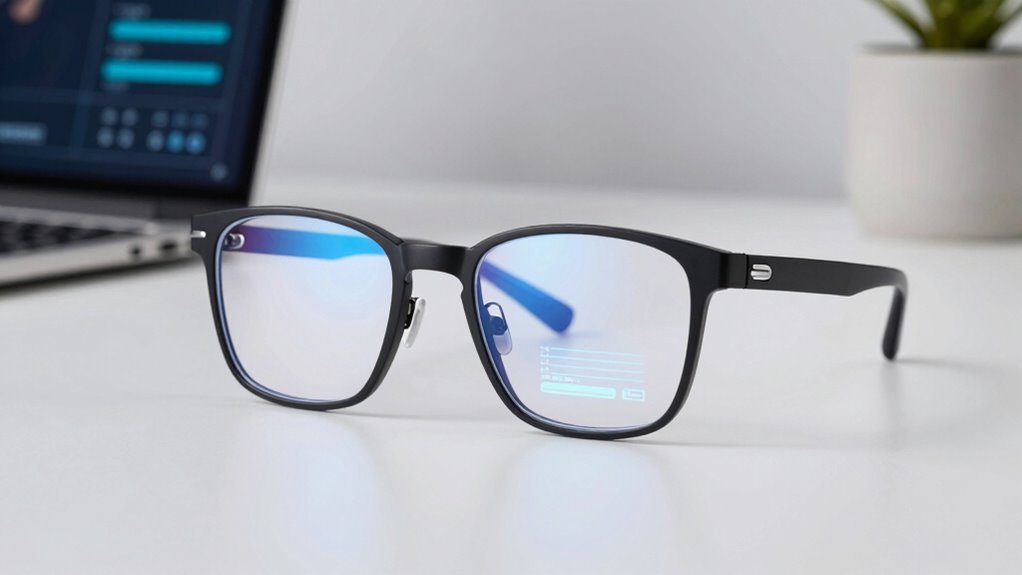

AR glasses are becoming practical daily tools as advancements make them more affordable, user-friendly, and integrated with wearable tech. They now go beyond gaming, helping you stay productive with hands-free data and instructions. In workplaces, they improve safety and efficiency, while in everyday use, they offer notifications, navigation, and translations right in your line of sight. As hardware and software continue to evolve, you’ll discover how these devices are reshaping how we interact with digital information.

Get privacy and security gear delivered free — and shop member deals
- Fast, free delivery on millions of items
- Access to Prime Big Deal Days deals on October 6–7
- Prime Video, Amazon Music and more included
Key Takeaways
- AR glasses are expanding from gaming and hobbyist use to daily productivity and convenience applications.
- Hardware and software improvements make AR devices more affordable, user-friendly, and suitable for everyday tasks.
- Integration with wearable tech enhances workplace efficiency, offering real-time data and hands-free assistance.
- Industry-specific benefits, like improved accuracy in logistics and medical procedures, demonstrate practical applications.
- Advances in visual quality and comfort increase AR glasses’ appeal for routine personal and professional use.

Augmented reality (AR) glasses are increasingly stepping out of the tech hobbyist domain and into everyday practicality. No longer just a novelty for early adopters, these wearable technology devices are becoming integral tools for work, learning, and daily life. You might have once seen AR glasses as futuristic gadgets reserved for gaming or niche industries, but now, their potential is expanding rapidly. As AR integrates with wearable technology, the possibilities for enhancing productivity and convenience grow exponentially.
In the workplace, AR glasses are transforming how you access information and perform tasks. Imagine walking through a factory floor or construction site, with real-time data and instructions displayed directly in your line of sight. This hands-free access to information boosts efficiency and reduces errors. For example, technicians can see step-by-step repair instructions overlaid onto machinery, eliminating the need to consult manuals or carry bulky tablets. This seamless blend of augmented reality and wearable technology streamlines workflows and minimizes downtime.
AR glasses provide hands-free, real-time data and instructions, boosting efficiency and reducing errors on the factory or construction site.
In logistics and warehousing, AR glasses help you locate and pick items faster, improving accuracy and reducing fatigue. Instead of searching through cluttered shelves or paper lists, you get visual cues guiding your actions. This level of immediacy and precision turns AR glasses into practical tools that optimize daily operations. Similarly, in healthcare, AR can assist surgeons by overlaying critical data during procedures or guide medical students during training. The use of wearable technology in these settings makes complex tasks more manageable and safer for patients. Ongoing advances in hardware capabilities are further enhancing the reliability and comfort of these devices, encouraging wider adoption in professional environments. Additionally, software innovations are enabling more intuitive interactions and personalized experiences, pushing the boundaries of what AR glasses can accomplish. As these technological improvements continue, the integration of AR into various industries is expected to become even more seamless and widespread.
On the consumer side, AR glasses are becoming more accessible for everyday use. You can receive notifications, navigate unfamiliar streets, or even get real-time translation—all without pulling out your phone. As these devices become more affordable and user-friendly, you’re more likely to incorporate them into your routine, making augmented reality a natural extension of your digital life. The shift from niche to practical use cases is driven by advancements in hardware, battery life, and software, making AR glasses more reliable and comfortable to wear for extended periods. Additionally, improvements in color accuracy and contrast ratios ensure clearer visuals, further enhancing their practicality for daily tasks. With ongoing developments in wearable tech, the future of AR glasses promises even smarter, more integrated experiences for everyday users.
AR glasses for productivity
As an affiliate, we earn on qualifying purchases.
As an affiliate, we earn on qualifying purchases.
Frequently Asked Questions
How Do AR Glasses Impact User Privacy and Data Security?
AR glasses raise privacy concerns because they can collect and share personal data without your knowing. You need to be aware of how your data is protected, as manufacturers implement data protection measures, but risks remain. By understanding privacy settings and trusting secure platforms, you can help safeguard your information. Staying informed about privacy policies guarantees you maintain control over your data and prevent potential misuse.
What ARe the Main Barriers to Mass Adoption of AR Glasses?
The main barriers to mass adoption are sheer design aesthetics and limited battery life, which seem to stretch into infinity. You might find these glasses clunky or unattractive, discouraging daily use, while short battery life leaves you stranded in the digital world mid-task. Overcoming these hurdles requires sleek designs that blend effortlessly with your style and batteries that last longer than your longest day.
How Durable and Maintenance-Friendly ARe Current AR Glasses Models?
Current AR glasses models are becoming more durable through rigorous durability testing, but they still face some maintenance challenges. You might find that they resist everyday wear better, yet occasional cleaning and component checks are necessary to keep them functioning effectively. Manufacturers aim to improve durability and ease of maintenance, making these devices more practical for daily use. Still, staying aware of potential maintenance challenges helps guarantee your AR glasses stay reliable over time.
ARe AR Glasses Compatible With Other Wearable or Smart Devices?
You’ll find that many AR glasses are designed with compatibility concerns in mind, making device integration smoother. They often connect seamlessly with smartphones, tablets, and other wearables via Bluetooth or Wi-Fi, allowing you to access apps and notifications easily. However, some models may have limitations or require specific operating systems, so you should check compatibility details beforehand to confirm your existing devices work well with your AR glasses.
What ARe the Long-Term Health Effects of Extended AR Glasses Use?
Extended use of AR glasses can lead to long-term health effects like eye strain and neck fatigue. You might notice your eyes feel tired or experience discomfort after prolonged wear, especially if the display brightness isn’t adjusted properly. Neck fatigue can occur from holding your head in awkward positions. To minimize these issues, take regular breaks, adjust the fit and brightness, and practice good posture while using AR glasses.
Conclusion
As AR glasses become more integrated into everyday life, they’re transforming from niche gadgets into essential tools, much like a trusty Swiss Army knife. You’ll find yourself relying on them for work, navigation, and even social interactions. This shift means they’re no longer just futuristic toys but practical companions that enhance your daily routines. Embrace this evolution, because, just like a good tool, AR glasses are here to make your life easier and more connected.
Fall Picks
fall essentials
As an affiliate, we earn on qualifying purchases.