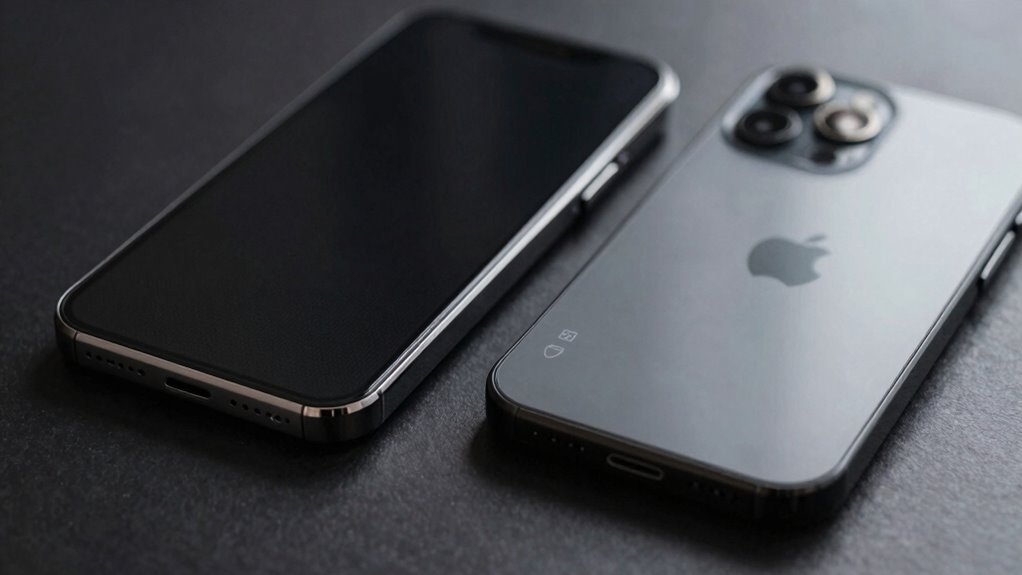

Encrypted smartphones are designed with advanced security features that protect your data better than regular phones. They use strong encryption techniques to scramble your information, making it accessible only to authorized users. These devices often include hardware security modules and regular updates to fix vulnerabilities. Unlike regular phones, they resist tampering and hacking attempts more effectively, ensuring your privacy stays intact. If you want to know how these security measures work, there’s more to uncover below.

Get privacy and security gear delivered free — and shop member deals
- Fast, free delivery on millions of items
- Access to Prime Big Deal Days deals on October 6–7
- Prime Video, Amazon Music and more included
Key Takeaways
- Encrypted smartphones use advanced encryption and hardware security features, while regular phones rely on basic security protocols.
- Regular updates are more frequent and security-focused on encrypted devices, unlike less regularly updated standard phones.
- Hardware security modules and secure boot processes provide additional protection in encrypted devices, absent in regular phones.
- Encrypted smartphones resist tampering and hacking better due to specialized hardware and security measures.
- They ensure higher data privacy and confidentiality through end-to-end encryption and robust security features.
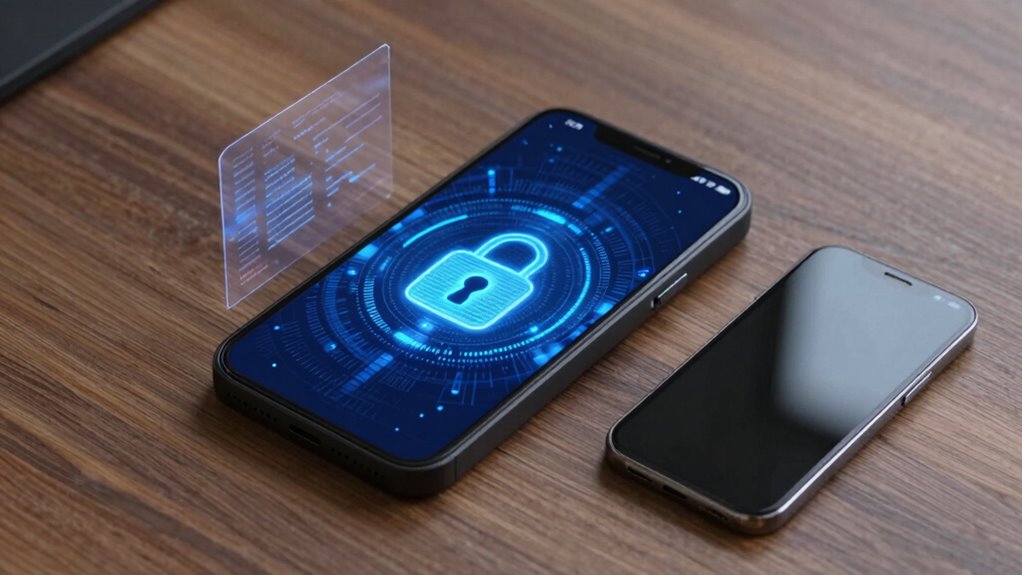
In today’s digital world, choosing between encrypted smartphones and regular phones can substantially impact your privacy and security. When you pick an encrypted device, you’re taking a proactive step to protect your data privacy. Unlike standard phones, which often rely on basic security protocols, encrypted smartphones are designed to safeguard your information through advanced encryption techniques. This means that any data you store, send, or receive is scrambled in a way that only authorized parties can decode. Regular phones, on the other hand, tend to use standard encryption methods that might be vulnerable to hacking, especially if they lack robust security protocols.
Encrypted smartphones employ end-to-end encryption for messages and calls, ensuring that only you and the intended recipient can access the content. This level of security is essential if you handle sensitive information, whether it’s personal details, business secrets, or confidential communications. Regular phones might encrypt data during transmission, but they often don’t offer the full scope of protection, leaving your data exposed to potential breaches. The security protocols embedded in encrypted devices are usually more rigorous, featuring hardware encryption modules and secure boot processes that prevent unauthorized access at multiple levels.
Encrypted smartphones use end-to-end encryption, ensuring only you and your recipient access sensitive messages and calls.
Another key difference lies in how these phones handle software and updates. Encrypted smartphones often come with security-focused operating systems and regular updates designed to patch vulnerabilities quickly. This continuous maintenance helps keep your device resilient against new threats. In contrast, standard phones might not prioritize security updates, or they may do so less frequently, creating windows of opportunity for malicious actors. The hardware itself in encrypted phones is often built to resist tampering, adding another layer of protection for your data privacy.
Furthermore, encrypted smartphones typically include features like secure enclaves or hardware security modules, which store sensitive information separately from the rest of the device. This separation makes it considerably harder for hackers to access your private data even if the device is compromised. Regular phones might lack these specialized features, making them more susceptible to malware and hacking attempts. Implementing robust security protocols such as advanced encryption and hardware safeguards significantly enhances your device’s defenses. When considering your digital security, understanding the difference in security protocols and data privacy measures between encrypted and regular phones is essential. If safeguarding your personal or professional information is a priority, opting for an encrypted smartphone offers a level of protection that standard devices simply can’t match.
encrypted smartphones with hardware security modules
As an affiliate, we earn on qualifying purchases.
As an affiliate, we earn on qualifying purchases.
Frequently Asked Questions
Can Encrypted Phones Be Hacked More Easily Than Regular Phones?
Encrypted phones aren’t necessarily easier to hack than regular phones, but they do have unique risks. Encryption vulnerabilities can sometimes be exploited if security flaws exist, making hacking prevention more challenging. While strong encryption protects your data, hackers may target other weak points like software or user behavior. So, if you keep your device updated and follow best practices, encrypted phones can offer robust security without being more vulnerable overall.
Do Encrypted Smartphones Cost Significantly More Than Standard Devices?
Encrypted smartphones generally cost more than standard devices due to enhanced security features. When you compare costs, you’ll notice a significant difference because these phones include specialized encryption technology, secure hardware, and privacy-focused software. While the price is higher, you’re paying for increased security and peace of mind. So, if privacy is essential for you, investing in an encrypted smartphone can be a worthwhile expense despite the cost comparison.
Are Encrypted Phones Compatible With All Apps and Services?
Encrypted phones are generally compatible with most apps and services, but there can be exceptions. Some apps may have limited functionality or restrictions due to security measures, which can affect your user experience. You might need to verify app compatibility before switching. Overall, encrypted smartphones aim to maintain smooth app access, but certain specialized or less common apps could pose challenges, so it’s wise to check compatibility for your essential services first.
How Do Encrypted Phones Handle Software Updates Securely?
Did you know that over 80% of encrypted smartphones use advanced encryption protocols? These devices handle software updates securely by verifying firmware integrity through cryptographic signatures. This process guarantees that updates are authentic and haven’t been tampered with, maintaining your device’s security. By validating firmware integrity, encrypted phones prevent malicious code from infiltrating your system during updates, keeping your data protected and your device reliable.
What Are the Environmental Impacts of Encrypted Smartphone Manufacturing?
You may not realize it, but encrypted smartphone manufacturing can impact the environment. Manufacturers often use eco-friendly materials to reduce harmful effects, but the process still consumes resources. Recycling initiatives help minimize waste by repurposing old devices and components. By supporting brands committed to sustainable practices, you contribute to lowering the environmental footprint, ensuring that your secure device aligns with eco-conscious efforts and promotes a greener future.
Conclusion
You now see the difference: encrypted smartphones protect your privacy, keep your data safe, and prioritize security. Regular phones, while convenient, leave your information more exposed, more vulnerable. Encrypted phones offer peace of mind, confidence, and control. They guard your messages, your calls, your life. So, choose protection, choose peace, choose an encrypted smartphone. Because when it comes to your privacy, you shouldn’t settle for less—choose security, choose safety, choose to stay protected.
Halloween Picks
halloween
As an affiliate, we earn on qualifying purchases.