
TL;DR

Get privacy and security gear delivered free — and shop member deals
- Fast, free delivery on millions of items
- Access to Prime Big Deal Days deals on October 6–7
- Prime Video, Amazon Music and more included
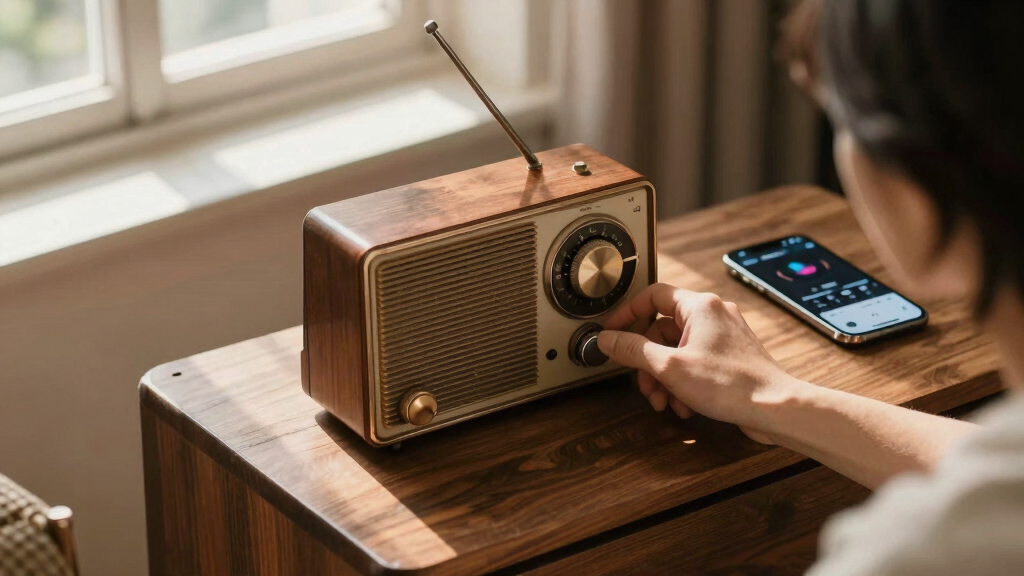
An individual has built a personal FM radio station using a Raspberry Pi Zero and an FM transmitter to replace Spotify. The project aims to reduce screen time and offers a customized, self-regenerating broadcast. The development highlights DIY tech’s potential for minimalist lifestyles.
An individual has created a custom FM radio station using a Raspberry Pi Zero and an FM transmitter to replace Spotify, aiming to cut down on screen time and phone use. The project involves broadcasting curated podcasts, news, and music on a continuous loop, reaching both a kitchen radio and an alarm clock. This DIY solution highlights how old technology can be modernized for personal use.
The creator used a Raspberry Pi Zero paired with a cheap FM transmitter to set up a personal radio station that pulls in UK podcasts, news bulletins via RSS feeds, and mixes them with a personal music library. The station plays a 24/7 self-regenerating loop, with custom jingles and oddities added for variety. The setup was built with minimal Linux knowledge, mainly using Bash scripting, with some assistance from AI tools, though the creator aimed to learn and avoid relying heavily on automation.
The project was motivated by a desire to reduce reliance on streaming apps like Spotify and to embrace a more minimalist, screen-free lifestyle. The individual reports that the radio station functions effectively, reaching multiple household devices, including a kitchen radio and an alarm clock. They shared a GitHub link for others interested in replicating or modifying the setup.
Implications of DIY Radio for Digital Minimalism
This project demonstrates how individuals can repurpose affordable, off-the-shelf technology to create personalized broadcasting systems that reduce dependence on commercial streaming services. It highlights a trend toward DIY tech solutions for lifestyle simplification, potentially inspiring others to adopt similar approaches for reducing screen time and digital clutter. The use of open-source tools and minimal hardware underscores the accessibility of such projects for hobbyists and those seeking more control over their media consumption.
Raspberry Pi Zero FM transmitter kit
As an affiliate, we earn on qualifying purchases.
As an affiliate, we earn on qualifying purchases.
Background on Personal Tech Replacements and Minimalism
The movement toward digital minimalism encourages reducing screen time and reliance on commercial digital services. Previously, many relied heavily on platforms like Spotify for music and podcasts, which can contribute to digital overload. DIY solutions, such as homemade radio stations, have gained interest among tech enthusiasts seeking more control, privacy, and simplicity. This project builds on that trend, combining old tech (FM radios) with modern DIY methods using affordable hardware like Raspberry Pi Zero devices. The creator’s approach reflects a broader interest in customizing personal media environments and reducing digital clutter.
“I built a radio station from a Raspberry Pi Zero and a cheap FM transmitter. It pulls UK podcasts and hourly news bulletins from RSS feeds, mixes them with my own music library, and plays them on a 24/7 loop.”
— the creator
“I’m interested in other ways of modernising old tech I could try, maybe a bespoke TV channel.”
— the creator
Unclear Aspects of the Radio Setup and Future Plans
It is not yet clear how sustainable or scalable this setup is for longer-term use, or whether the creator plans to expand or improve the system. Details about potential technical limitations, such as range, stability, or licensing issues related to broadcasting, remain unconfirmed. Additionally, the creator’s future intentions for similar projects or broader adoption of DIY radio stations are still developing.
Next Steps for DIY Radio Enthusiasts and Project Development
The creator may continue refining the current setup, potentially exploring more sophisticated broadcasting methods or integrating additional content sources. They might also share updates on the project’s performance, address technical challenges, or develop more user-friendly interfaces. Meanwhile, others interested in DIY broadcasting could experiment with similar projects, inspired by this example of repurposing simple hardware for personalized media solutions.
Key Questions
Can I legally broadcast my homemade radio station?
Legal restrictions on FM broadcasting vary by country. It is generally permissible to use low-power transmitters for personal, non-commercial use, but broadcasting over public airwaves without a license may be illegal in some jurisdictions. Check local regulations before setting up a personal FM station.
What hardware is needed to build a similar radio station?
A Raspberry Pi Zero, a low-cost FM transmitter, and a power supply are essential. Additional components include a microSD card for storage and possibly antennas for better range. The creator also used RSS feeds and scripting to automate content selection.
How reliable is a DIY FM radio station for daily use?
Reliability depends on hardware quality, power source, and environmental factors. The creator reports successful continuous operation, but technical issues like signal interference or hardware failures could occur over time.
Could this setup be expanded to broadcast more content?
Yes, the system can be modified to include additional content sources, playlists, or even live streams, depending on technical capabilities and legal considerations.
Source: Hacker News
Fall Picks
fall essentials
As an affiliate, we earn on qualifying purchases.