
TL;DR

Get privacy and security gear delivered free with Prime
- Fast, free delivery on millions of items
- Prime Video, Amazon Music and more included
- Member-only deals all year
Kv4p HT is an open-source project allowing users to build a 1-watt VHF or UHF radio that connects to an Android device. It offers features like APRS, GPS, and a simple build process, but requires a Technician license to operate legally.
Developed as an open-source hardware and software project, Kv4p HT transforms an Android phone into a 1-watt VHF or UHF radio, requiring only a few components and a soldering effort. The project aims to provide amateur radio enthusiasts and makers with a low-cost, customizable transceiver that leverages their existing smartphones.
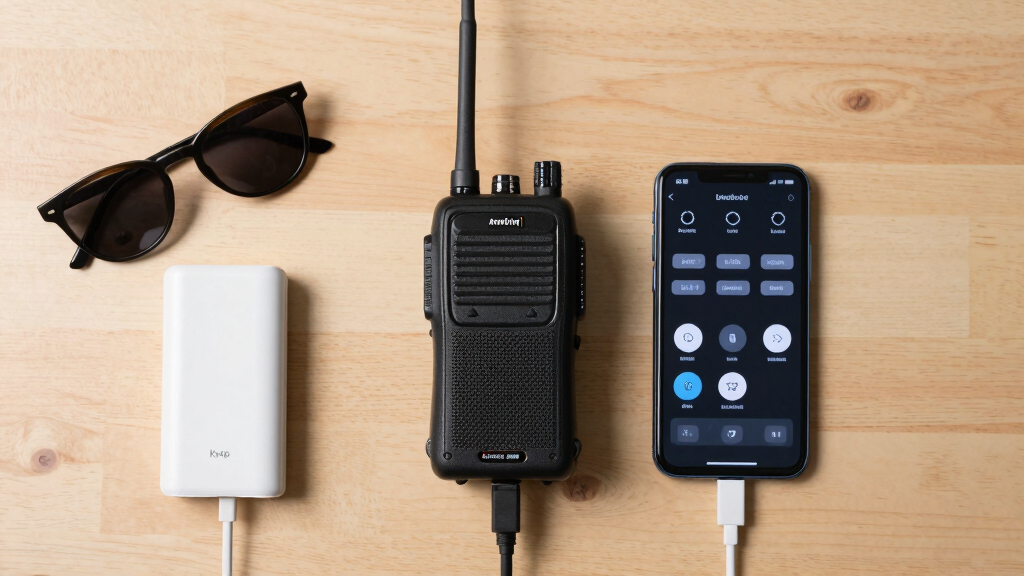
The Kv4p HT is designed around an ESP32 microcontroller and a radio module such as the SA818-V or SA818-U, with the entire system licensed under GPL3. Users can build the device from scratch using PCB designs available on GitHub, or purchase pre-made kits. The device connects to the Android phone via a USB-C cable or U-shaped adapter, drawing power from the phone’s battery, and features a simple interface with live captions, haptic feedback, and animation controls.
Functionality includes a 1200 baud modem supporting APRS, allowing for text messaging and position beaconing, which are uncommon in similar DIY radios. The firmware and Android app are open source, enabling customization and community development. The project emphasizes accessibility, with features like closed captions and sticky PTT buttons, making it suitable for various users. However, operation requires at least a Technician class amateur radio license, as mandated by regulations.
Why It Matters
This project matters because it offers a low-cost, accessible way for amateur radio operators and hobbyists to create their own transceivers, potentially expanding the community and encouraging experimentation. Its open-source nature promotes customization and learning, while the integration with smartphones leverages existing technology for portable, versatile communication devices. The inclusion of APRS and GPS features enhances its utility for emergency preparedness and field operations.
Android compatible ham radio kit
As an affiliate, we earn on qualifying purchases.
As an affiliate, we earn on qualifying purchases.
Background
The Kv4p HT builds on the growing maker movement within amateur radio, which has seen increased interest in DIY transceivers and open hardware. Prior efforts have focused on software-defined radios and small, portable units; Kv4p HT distinguishes itself by combining open hardware, software, and a smartphone interface. The project was first shared on Hacker News in late 2023, reflecting community interest in accessible, customizable radio solutions. Similar projects have emphasized low power consumption and ease of assembly, aligning with the trend towards portable, user-friendly ham radio gear.
“Kv4p HT is an open-source project designed for makers to build their own 1W VHF/UHF radio that plugs into an Android phone, bringing modern features to hobbyists.”
— the project creator
“It’s impressive how this project combines simple hardware with open software, making amateur radio more accessible and customizable.”
— a community member on Hacker News
What Remains Unclear
It is not yet clear how widely adopted the Kv4p HT will become, nor whether regulatory authorities will update rules to accommodate such DIY devices. The reliability and durability of the device in various conditions remain to be tested through user experience, and the legal implications of DIY radios in different jurisdictions are still uncertain.
What’s Next
Next steps include broader community testing, potential official endorsements, and further development of features like higher power output or additional modes. Manufacturers may also produce ready-made kits or components to streamline assembly. Regulatory discussions could influence the device’s legality and usage guidelines.
Key Questions
Is the Kv4p HT legal to operate?
Legal operation requires at least a Technician class amateur radio license, as the device transmits on licensed amateur bands. Users should verify local regulations before use.
Can I build the Kv4p HT myself?
Yes, the project is designed as a DIY build, with PCB designs and firmware available under open-source licenses. Kits are also available for purchase.
What features does the Kv4p HT support?
It supports 1W VHF or UHF transmission, APRS messaging, GPS location beaconing, and basic push-to-talk controls, all integrated with an Android phone.
Does it require special software or apps?
Yes, an open-source Android app is needed to operate the device, along with flashing firmware onto the ESP32 microcontroller during setup.
What are the power requirements?
The device draws power directly from the Android phone’s battery, eliminating the need for separate batteries.
Fall Picks
fall essentials
As an affiliate, we earn on qualifying purchases.