TL;DR

Get privacy and security gear delivered free with Prime
- Fast, free delivery on millions of items
- Prime Video, Amazon Music and more included
- Member-only deals all year
Leaked photos show an unreleased Microsoft Xbox cloud controller designed for low-latency gaming, featuring Wi-Fi connectivity and a compact design. Microsoft has not officially announced the device.
Photos of an unreleased Microsoft Xbox cloud gaming controller have leaked online, revealing a small, Wi-Fi-enabled device that could enhance cloud gaming performance. The device, manufactured by Microsoft, features a compact design with Xbox-style buttons and is likely aimed at reducing latency during cloud gaming sessions.
The leaked images, published by Brazilian website Tecnoblog and confirmed by The Verge, show a diminutive controller resembling products from 8BitDo, but with distinct Xbox design elements such as the D-Pad and home button. It appears to be manufactured by Microsoft and features a rectangular body, short grips, and staggered thumb sticks. The controller is available in black and white colors.
According to analysis by Digital Foundry, the controller is powered by a dual-core ARM Cortex A7 processor within a Realtek chipset. Notably, it reportedly connects via Wi-Fi directly to Microsoft’s cloud gaming servers, which could significantly reduce latency compared to traditional Bluetooth controllers. It also supports Bluetooth connectivity as a fallback. The device uses an actual rechargeable battery, marking a departure from Microsoft’s longstanding use of AA batteries for controllers.
Microsoft has not announced this controller officially, and details such as pricing and release date remain unknown. The leak, however, suggests the company may prepare to introduce a dedicated device aimed at improving cloud gaming experiences.
Why It Matters
This development is significant because it indicates Microsoft’s focus on optimizing cloud gaming, a growing segment of the gaming industry. A dedicated Wi-Fi controller designed specifically for cloud services could provide lower latency and better performance, potentially attracting more players to Xbox Cloud Gaming and competing more effectively with other cloud gaming platforms. The leak also hints at Microsoft’s ongoing efforts to innovate hardware tailored for cloud-based gaming, which could influence future product strategies.
Products Worth Considering

Bose QuietComfort Headphones (2nd Gen), Wireless Over-Ear Noise-Cancelling Headphones, Eucalyptus Green

Sonos Era 100 SL Compact Microphone-Free Speaker, Black
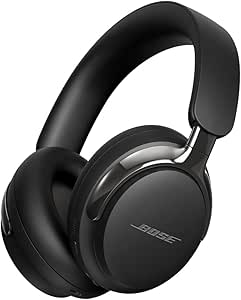
Bose QuietComfort Ultra Headphones (2nd Gen), Wireless Noise-Cancelling Over-Ear Headphones, Black
As an affiliate, we earn on qualifying purchases.
Background
Microsoft has been investing heavily in cloud gaming through its Xbox Cloud Gaming service (formerly Project xCloud), aiming to expand its reach beyond traditional consoles. Prior to this leak, Microsoft had primarily relied on standard Bluetooth controllers compatible with various devices. The emergence of a dedicated Wi-Fi controller suggests a strategic move to enhance the quality and reliability of cloud gaming, especially as competition from other platforms like Sony and Nvidia heats up. The controller’s design and technical features align with industry trends toward low-latency, high-performance cloud gaming hardware.
“Microsoft is manufacturing a new, compact controller that connects via Wi-Fi, aiming to improve cloud gaming performance.”
— The Verge
“The controller is powered by a dual-core ARM Cortex A7 processor within a Realtek chipset, indicating a dedicated hardware approach.”
— Digital Foundry
What Remains Unclear
It is not yet clear when Microsoft plans to officially announce or release this controller. Pricing, availability, and full feature set remain unknown. Additionally, the extent to which this device will be integrated into Microsoft’s broader gaming ecosystem is still unconfirmed.
What’s Next
Microsoft is likely to respond with an official announcement soon, possibly revealing details about the controller’s release schedule and pricing. Industry watchers will monitor for further leaks or official statements to understand how this device fits into Microsoft’s cloud gaming strategy.
Key Questions
Is this controller officially confirmed by Microsoft?
No, Microsoft has not officially announced this controller. The information comes from leaks and analysis of leaked images.
Will this controller work with existing Xbox consoles?
It is unclear whether the controller is designed solely for cloud gaming or if it will also support traditional console connections. Further details are awaited from Microsoft.
When will this controller be available to consumers?
There is no official release date announced yet. The leak suggests it could be in development for future release, but specifics are unknown.
How does Wi-Fi connectivity improve cloud gaming?
Wi-Fi connectivity can reduce latency compared to Bluetooth, potentially providing a smoother gaming experience during cloud sessions.