
TL;DR

Get privacy and security gear delivered free — and shop member deals
- Fast, free delivery on millions of items
- Access to Prime Big Deal Days deals on October 6–7
- Prime Video, Amazon Music and more included
Waymo has temporarily suspended its robotaxi service in Atlanta following incidents where vehicles entered flooded areas. The company is investigating the issue as heavy rain and flooding continue to affect operations. This marks a broader challenge for autonomous vehicle safety in adverse weather.
Waymo has paused its robotaxi service in Atlanta after a vehicle was observed driving into a flooded intersection and getting stranded, highlighting ongoing safety challenges with autonomous vehicles in severe weather conditions.
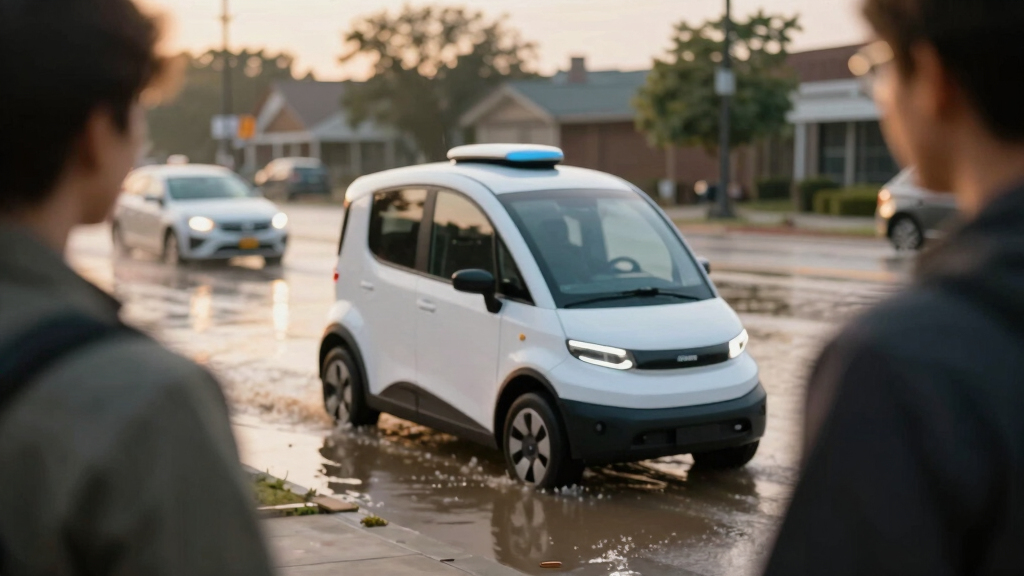
On May 21, a Waymo robotaxi was seen navigating through a flooded street in Atlanta, Georgia, before becoming stuck for approximately one hour. The vehicle was recovered and removed from the scene, according to local news reports. Waymo confirmed to TechCrunch that it has temporarily halted service in Atlanta, similar to its suspension in San Antonio, Texas, as it investigates the incident and seeks solutions to improve vehicle safety during heavy rain.
Waymo stated that during a recent storm in Atlanta, rainfall was so intense that flooding occurred before the National Weather Service issued any alerts. The company explained that its vehicles rely on weather alerts to avoid high-risk flooded roads, but the recent incident suggests these measures are not fully effective under extreme conditions. Waymo also acknowledged that it had not yet finalized a comprehensive fix for avoiding flooded areas when it issued a software recall last week, instead deploying an update that limited vehicle operation in certain risky zones.
Why It Matters
This development underscores the ongoing safety challenges faced by autonomous vehicle companies operating in unpredictable weather. The incident raises questions about the reliability of current weather detection and response systems in autonomous vehicles, especially as cities experience more frequent and intense storms due to climate change. The suspension of Waymo’s service in Atlanta could impact public trust and regulatory scrutiny surrounding self-driving cars, emphasizing the need for more robust safety measures. Learn more about recent recalls in the autonomous vehicle industry.
autonomous vehicle weather safety kit
As an affiliate, we earn on qualifying purchases.
As an affiliate, we earn on qualifying purchases.
Background
Waymo has previously faced scrutiny over its autonomous vehicle safety, including incidents involving illegal maneuvers around school buses and a collision with a child in Santa Monica, California, in January. The company has been working to improve its software and safety protocols, but recent incidents indicate persistent vulnerabilities, especially in adverse weather conditions. The company’s recall last week was part of broader efforts to address these issues, yet the recent flooding incident in Atlanta suggests further challenges remain.
“Safety is Waymo’s top priority, both for our riders and everyone we share the road with. During a period of intense rain yesterday in Atlanta, an unoccupied Waymo vehicle encountered a flooded road and stopped.”
— Waymo spokesperson
“We are actively investigating the incident and working on solutions to prevent similar occurrences in the future. Our service remains paused in Atlanta as we refine our safety protocols.”
— Waymo representative to TechCrunch
What Remains Unclear
It is not yet clear what specific technical failures led to the vehicle entering the flooded area or whether the current weather alert system is sufficient. Details about the vehicle’s decision-making process during the incident and the exact timeline for resuming service remain undisclosed.
What’s Next
Waymo is expected to conduct a thorough investigation into the incident, develop improved weather detection and response systems, and implement updates to prevent future flooding-related issues. The company may also resume service once it deems the safety measures adequate and after regulatory approval.
Key Questions
Why did Waymo pause its Atlanta service?
Waymo paused its Atlanta robotaxi service after a vehicle entered a flooded street and became stranded, raising safety concerns amid ongoing severe weather conditions.
Is this incident unique to Atlanta?
No, Waymo has also suspended service in San Antonio, Texas, after similar weather-related issues, indicating ongoing challenges with autonomous vehicle operation in heavy rain and flooding.
What is Waymo doing to improve safety in bad weather?
The company is investigating the incident, working on technical fixes, and has issued updates to restrict vehicle operation during high-risk weather conditions, but further improvements are underway.
When will Waymo resume service in Atlanta?
It is not yet clear when Waymo will resume service, as the company is still assessing its safety measures and conducting investigations.
Source: Hacker News
Fall Picks
fall essentials
As an affiliate, we earn on qualifying purchases.