
TL;DR

Get privacy and security gear delivered free — and shop member deals
- Fast, free delivery on millions of items
- Access to Prime Big Deal Days deals on October 6–7
- Prime Video, Amazon Music and more included
Hitachi has won a €168 million ($195 million) contract from the Mexican government to install signaling and telecommunications systems on a 396-kilometer railway line. This marks a significant expansion of Hitachi’s railway infrastructure business in Mexico.
Hitachi has secured a €168 million ($195 million) contract from the Mexican government to install a comprehensive railway signaling and telecommunications system on a 396-kilometer passenger line in northeastern Mexico. This development represents a major step in Hitachi’s expansion into railway infrastructure systems in Latin America.
The contract, announced on May 23, 2026, involves the supply and installation of signaling and telecommunications systems across a 396-kilometer railway line in northeastern Mexico. Hitachi Rail, a subsidiary of Hitachi, will be responsible for deploying advanced signaling technology designed to enhance safety and operational efficiency. The project is part of Mexico’s broader efforts to modernize its rail network, improve passenger safety, and increase service reliability.
The order is valued at approximately €168 million ($195 million), and the project is expected to be completed over the next several years, with deployment scheduled to begin shortly. Hitachi’s involvement signifies its growing presence in Latin American railway markets, expanding beyond its traditional focus on rolling stock to include integrated operation systems and IT solutions.
Why It Matters
This deal is significant because it highlights the increasing role of Japanese infrastructure companies like Hitachi in Latin America’s transportation modernization efforts. The project aims to improve safety, efficiency, and capacity on a key passenger route, potentially serving as a model for future rail projects in the region. For Mexico, it represents a step toward modernizing its rail network amid broader infrastructure investments, which could have economic and social benefits.
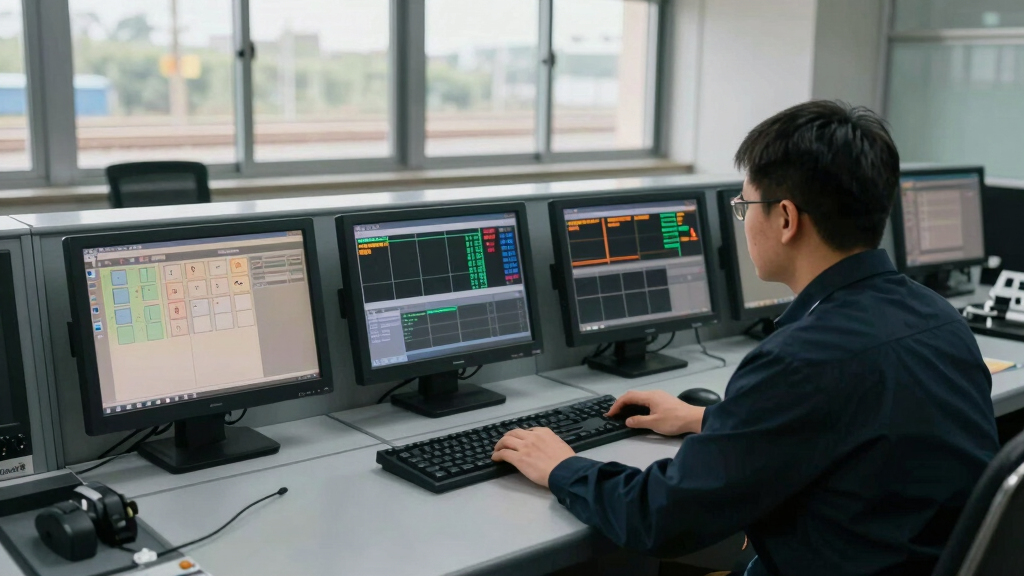
railway signaling system
As an affiliate, we earn on qualifying purchases.
As an affiliate, we earn on qualifying purchases.
Background
Mexico has been investing in its railway infrastructure to support economic growth and regional connectivity. Prior to this, the country has seen various projects aimed at upgrading existing lines and developing new routes, often involving international firms. Hitachi’s entry into the signaling market aligns with global trends of integrating digital and IT systems into rail infrastructure to improve safety and efficiency. The company has been expanding its railway business beyond rolling stock, increasingly focusing on signaling, control systems, and IT solutions.
“This project marks a significant milestone for Hitachi in Latin America, demonstrating our commitment to providing innovative, reliable railway solutions that support Mexico’s transportation development.”
— a Hitachi Rail spokesperson
“The new signaling system will greatly improve safety and efficiency on our northeastern passenger line, supporting our broader modernization goals.”
— Mexican transportation official
What Remains Unclear
It is not yet clear when the project will be fully operational or the specific technological features of the signaling system. Further details about the project’s timeline and scope are still emerging.
What’s Next
Next steps include project mobilization, detailed planning, and installation, with expected completion over the next few years. Additional updates are anticipated as the project progresses and milestones are achieved.
Key Questions
What does this contract involve?
It involves the supply and installation of railway signaling and telecommunications systems on a 396-kilometer passenger line in northeastern Mexico.
Why is this project important for Mexico?
It aims to modernize Mexico’s rail infrastructure, improving safety, efficiency, and passenger service on a key regional route.
How does this expand Hitachi’s business?
It broadens Hitachi’s presence in Latin American rail markets, emphasizing its capabilities in infrastructure systems beyond rolling stock.
When will the project be completed?
Details are still emerging, but the project is expected to be completed over the next several years.
Source: Nikkei Asia
Fall Picks
fall essentials
As an affiliate, we earn on qualifying purchases.