
The best license plate recognition cameras balance plate capture, installation flexibility, and system compatibility—not just headline resolution. I’d put the GW Security 8-Channel 12MP NVR system first for buyers who want cameras and recording in one package, while the ONWOTE 4MP camera with an 8–32mm motorized lens and the Amcrest 4MP PoE bullet stand out for buyers prioritizing adjustable framing or a simpler standalone camera. The main tradeoff is between a bundled system and a camera built for a specific capture point, with lens range, lighting, and software support shaping results. A camera labeled for plate recognition still needs a suitable angle, distance, and exposure setup. Read on for the full breakdown and guidance on matching a camera to your site.

Get privacy and security gear delivered free — and shop member deals
- Fast, free delivery on millions of items
- Access to Prime Big Deal Days deals on October 6–7
- Prime Video, Amazon Music and more included
Key Takeaways
- Bundled recording changes the buying equation: The GW Security 8-channel system pairs four 5MP PoE cameras with a 12MP NVR, making it a distinct choice for buyers who want recording hardware included rather than assembling a separate system.
- Lens range matters more than resolution alone: The ONWOTE’s 8–32mm motorized lens offers more framing flexibility than fixed-lens models, while the Anpviz 2.7–13.5mm lens suits a different range of installation distances.
- Several options are purpose-built around plate capture: The IC Realtime AVS-ID1-V2, GeoVision GV-LPC models, and ACTi VMGB-410 focus on dedicated LPR or ALPR functions rather than general surveillance alone.
- 4MP cameras form a flexible middle ground in this lineup: Models from Amcrest, ENS, DeepinView, Anpviz, and GW Security offer more listed image resolution than the 2MP options, but resolution by itself cannot compensate for poor positioning or night exposure.
- Compatibility is a major separator: Some picks are complete systems, while others are individual PoE or network cameras; buyers should confirm recorder, software, power, and plate-data support before choosing.
| GW Security 8-Channel 12MP NVR UltraHD License Plate & Face Recognition System with 4 × 5MP PoE Bullet Cameras |  | Best Complete Multi-Camera System | Camera resolution: 5MP | NVR channels: 8 | Maximum supported camera resolution: 12MP | VIEW LATEST PRICE | See Our Full Breakdown |
| IC Realtime AVS-ID1-V2 2MP Outdoor License Plate Recognition Camera |  | Best for Existing Coax Systems | Resolution: 2MP | Video capture: 1080p | Lens: Varifocal | VIEW LATEST PRICE | See Our Full Breakdown |
| ONWOTE 4MP License Plate Recognition PoE IP Camera with 8–32mm Motorized Lens |  | Best Adjustable PoE Lane Camera | Resolution and frame rate: 4MP (2592 × 1520) at 30 fps | Lens: 8–32mm motorized varifocal, F1.6 | Recommended recognition distance: 23–98 ft | VIEW LATEST PRICE | See Our Full Breakdown |
| GeoVision GV-LPC1100 IP License Plate Camera 10R 9-22mm with PA482 PoE Adapter |  | Best for Fast-Moving Traffic | Resolution: 1.3MP (1024p) | Lens: Motorized varifocal 9–22mm | Maximum stated recognition speed: 75 mph (120 km/h) | VIEW LATEST PRICE | See Our Full Breakdown |
| ACTi VMGB-410 2MP ALPR Metadata Bullet Camera with 4.3x Zoom |  | Best for ALPR Metadata and Rugged Installations | Resolution: 2MP | Lens: 4.3x zoom, 2.8–12mm, F1.2–2.5 | Horizontal viewing angle: 114.5°–41.8° | VIEW LATEST PRICE | See Our Full Breakdown |
| Amcrest IP4M-1072EW-AI 4MP License Plate Recognition PoE Bullet Camera |  | Best for Long-Range Plate Capture | Resolution: 4 MP | Frame rate: Up to 30 fps | Lens: 8–32mm optical zoom | VIEW LATEST PRICE | See Our Full Breakdown |
| 06AI ANPR Camera – Automatic License Plate Recognition System | 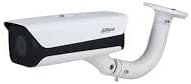 | Best for Integrated Gate Setups | Display: 3.5 inches | Field of view: 120° | Optical sensor: 1/2.8-inch CMOS | VIEW LATEST PRICE | See Our Full Breakdown |
| ENS IP-5IR4A3H4-MZ-LR 4MP License Plate Recognition Bullet Network Camera |  | Best for Nighttime Vehicle Lanes | Resolution and frame rate: 4MP (2688 × 1520) at up to 30 fps | Lens: Motorized 8–32mm | Image sensor: 1/1.8-inch CMOS | VIEW LATEST PRICE | See Our Full Breakdown |
| 4MP DeepinView ANPR Bullet IP Camera with License Plate Recognition |  | Best for Challenging Light | Resolution: 4 MP | Lens: 8–32mm varifocal | License plate recognition: Built-in ANPR/LPR | VIEW LATEST PRICE | See Our Full Breakdown |
| Anpviz 4MP License Plate Recognition PoE Bullet Camera with 2.7–13.5mm Motorized Lens |  | Best for Higher-Capacity Local Storage | Resolution and frame rate: 2688 × 1520 at 30 fps | Lens: 2.7–13.5mm, 5× motorized varifocal | Night vision: Up to 132 ft (40m) | VIEW LATEST PRICE | See Our Full Breakdown |
| GW Security 4MP Outdoor License Plate Recognition PoE Camera |  | Best for Faster Traffic | Resolution: 4MP (2688 × 1520) | Frame rate: Up to 60 FPS | Recognition speed: Up to 120 km/h | VIEW LATEST PRICE | See Our Full Breakdown |
| ENS SIPSL2TAP/MZ832 2MP Outdoor License Plate Recognition Bullet Camera |  | Best for Long-Range Night Coverage | Resolution: 2MP | Frame rate: Up to 60 FPS | Lens: Motorized 8–32 mm varifocal | VIEW LATEST PRICE | See Our Full Breakdown |
| GeoVision GV-LPC2011 2MP License Plate Recognition Network Camera |  | Best for Moderate-Speed, Cold-Weather Sites | Model: GV-LPC2011 | Resolution: 2MP; 1080p video capture | Recognition speed: Up to 60 km/h (37 mph) | VIEW LATEST PRICE | See Our Full Breakdown |
| license plate recognition camera | Lens | Resolution |
|---|---|---|
| GW Security 8-Channel 12MP NVR | 110° wide angle | — |
| IC Realtime AVS-ID1-V2 2MP Out | Varifocal | 2MP |
| ONWOTE 4MP License Plate Recog | 8–32mm motorized varifocal, F1.6 | — |
| GeoVision GV-LPC1100 IP Licens | Motorized varifocal 9–22mm | 1.3MP (1024p) |
| ACTi VMGB-410 2MP ALPR Metadat | 4.3x zoom, 2.8–12mm, F1.2–2.5 | 2MP |
| Amcrest IP4M-1072EW-AI 4MP Lic | 8–32mm optical zoom | 4 MP |
| 06AI ANPR Camera | — | — |
| ENS IP-5IR4A3H4-MZ-LR 4MP Lice | Motorized 8–32mm | — |
| 4MP DeepinView ANPR Bullet IP | 8–32mm varifocal | 4 MP |
| Anpviz 4MP License Plate Recog | 2.7–13.5mm, 5× motorized varifocal | — |
| GW Security 4MP Outdoor Licens | — | 4MP (2688 × 1520) |
| ENS SIPSL2TAP/MZ832 2MP Outdoo | Motorized 8–32 mm varifocal | 2MP |
| GeoVision GV-LPC2011 2MP Licen | Motorized focus and optical zoom | 2MP; 1080p video capture |
More Details on Our Top Picks
GW Security 8-Channel 12MP NVR UltraHD License Plate & Face Recognition System with 4 × 5MP PoE Bullet Cameras
I’d choose this as a starting point for a site that needs multiple camera views and centralized recording, rather than a single dedicated lane camera. The package includes four 5MP PoE bullets and an NVR with license plate, face, person, and vehicle detection, so it can cover an entrance alongside other areas. Its 110-degree lenses favor broader scenes; compared with the narrower, adjustable ONWOTE 4MP camera, that can make placement easier but may be less suited to isolating plates at a specific distance. Color night vision, two-way audio, and included 2TB storage add flexibility, while expansion supports a larger archive. The tradeoff is a more involved setup and a system designed around its NVR; buyers focused only on fast, lane-specific plate capture may prefer GeoVision’s GV-LPC1100, which specifies recognition up to 75 mph.
Pros:- Four 5MP PoE cameras and an 8-channel NVR are bundled for multi-view coverage.
- AI detection includes license plates, faces, people, and vehicles.
- Color night vision and two-way audio add useful monitoring options.
- Pre-installed 2TB storage and expansion capacity support local recording.
Cons:- The feature-rich NVR interface may take time to configure.
- The included 2TB drive may be limiting for longer retention or several active cameras.
- Wide-angle cameras are less specialized for tightly framing plates at a fixed lane distance.
Best for: Property managers or small organizations seeking an NVR-based system with several camera views, plate alerts, and face or vehicle detection.
Not ideal for: Buyers who need a purpose-built high-speed lane camera, a simple one-camera installation, or a large archive without purchasing additional drives.
- Camera resolution:5MP
- NVR channels:8
- Maximum supported camera resolution:12MP
- Frame rate:25 fps
- Lens:110° wide angle
- Night vision range:100 ft
- Power:Power over Ethernet (PoE)
- Storage:2TB pre-installed; expandable to 24TB total
- AI detection:Faces, license plates, humans, vehicles, and 10 additional smart AI modes
Our verdict“Choose this bundled system when you need several PoE views and broad AI monitoring, not just a dedicated high-speed plate camera.”
IC Realtime AVS-ID1-V2 2MP Outdoor License Plate Recognition Camera
This camera’s strongest case is compatibility with a site that already runs HD-AVS DVRs over coax. Its optimized shutter settings and IR illumination target plate capture on moving vehicles, which makes it more purpose-specific than the multi-camera GW Security system. That focus can reduce the cost and work of replacing cabling, but it also narrows the audience: the camera is specified for HD-AVS DVRs, not as a general-purpose IP camera for any recorder. Its varifocal lens gives installers some framing flexibility, though the supplied details don’t state a recognition speed or distance. Compared with the ONWOTE PoE model, the IC Realtime is the more natural retrofit for coax infrastructure; buyers starting fresh should weigh its DVR dependency against a PoE setup.
Pros:- Designed to capture plates on moving vehicles.
- Optimized shutter settings and IR support day-and-night plate readability.
- Can use existing coax infrastructure with compatible HD-AVS DVRs.
- Outdoor weather-rated housing suits exposed entrances.
Cons:- Compatibility is limited to HD-AVS DVRs.
- The 2MP camera is intended for targeted plate capture rather than broad surveillance.
- The supplied specifications do not state a maximum recognition speed or distance.
Best for: Installers or property owners with an existing HD-AVS DVR and coax runs who need plate capture at a driveway, gate, or parking entrance.
Not ideal for: Buyers building a new IP-camera system, using a non-HD-AVS recorder, or seeking documented plate-capture speed and distance figures.
- Resolution:2MP
- Video capture:1080p
- Lens:Varifocal
- Recorder compatibility:HD-AVS DVRs
- Installation type:Outdoor, weather-rated
- Plate-capture features:Optimized shutter settings and IR illumination
- Included items:Camera and mounting hardware
Our verdict“Pick this for a coax-based HD-AVS installation; choose a PoE model such as ONWOTE’s if you are building around IP networking.”
ONWOTE 4MP License Plate Recognition PoE IP Camera with 8–32mm Motorized Lens
The ONWOTE’s main advantage is control over the scene: its motorized 8–32mm lens lets an installer narrow or widen framing without physically repositioning the camera. That makes it a stronger fit for a defined lane than the wide-angle GW Security system, while 4MP at 30 fps and 120dB WDR provide detailed video across changing light conditions. The stated recognition distance is 23–98 feet, giving buyers a useful planning range. The catch is system dependence: it works only with select ONWOTE TD Series NVRs, so it is not a straightforward addition to an arbitrary PoE recorder. A microSD slot offers local backup, but does not remove that compatibility constraint. Compared with IC Realtime’s coax model, this is better for an IP/PoE build, not a coax retrofit.
Pros:- Motorized 8–32mm lens supports remote adjustment for a specific lane.
- 4MP video at 30 fps offers detailed, fluid footage.
- 120dB WDR helps handle bright headlights and uneven lighting.
- PoE connection and microSD support up to 256GB provide wired power and local storage options.
Cons:- Compatibility is limited to select ONWOTE TD Series NVRs.
- No wireless connectivity is specified.
- Weather-resistance information differs between the listed IP66 and IP67 ratings.
Best for: Installers with a compatible ONWOTE TD Series NVR who need adjustable framing for a fixed driveway, gate, or parking lane.
Not ideal for: Buyers using another recorder brand, needing wireless installation, or wanting a camera that can be added to a mixed-vendor system without checking compatibility.
- Resolution and frame rate:4MP (2592 × 1520) at 30 fps
- Lens:8–32mm motorized varifocal, F1.6
- Recommended recognition distance:23–98 ft
- Wide dynamic range:120dB WDR
- Recorder compatibility:ONWOTE PNT-808, PNA-8016-T, and PNT-1232 NVRs
- Connectivity:Wired Ethernet PoE
- Local storage:MicroSD card slot supports up to 256GB
- Weather resistance:IP67 stated in description; IP66 listed in product information
Our verdict“Choose this for an adjustable, wired lane view if your recorder is a supported ONWOTE TD model.”
GeoVision GV-LPC1100 IP License Plate Camera 10R 9-22mm with PA482 PoE Adapter
For a site where vehicles pass quickly, the GV-LPC1100 stands apart by specifying plate recognition at speeds up to 75 mph. That makes it more purpose-built for fast traffic than the IC Realtime AVS-ID1-V2, whose supplied information describes moving-vehicle capture but gives no speed figure. The motorized 9–22mm lens and automatic shutter control help tune the image to a lane, while intelligent IR is designed to manage low-light exposure. Its IP67 rating and stated operating range of –40°C to 50°C suit exposed, demanding locations. There are meaningful compromises: the sensor is black and white, so it cannot provide color scene detail, and the camera relies on external recording rather than onboard storage. I’d shortlist it for plate capture first, not all-purpose color surveillance.
Pros:- Specified license plate recognition at speeds up to 75 mph.
- Motorized 9–22mm lens allows remote focus and zoom adjustment.
- Intelligent IR and automatic shutter adjustment support low-light plate capture.
- IP67 housing and a –40°C to 50°C operating range suit harsh outdoor sites.
Cons:- Black-and-white imaging does not provide color scene context.
- No onboard storage; an external NVR or recorder is required.
- Requires PoE adapter and external network setup.
Best for: Operators monitoring a fast roadway or access lane who need specified plate capture at speeds up to 75 mph and can provide external recording.
Not ideal for: Buyers who need color footage, onboard storage, or a simple camera-only setup without network and PoE-adapter configuration.
- Resolution:1.3MP (1024p)
- Lens:Motorized varifocal 9–22mm
- Maximum stated recognition speed:75 mph (120 km/h)
- IR:Intelligent IR with automatic shutter adjustment
- Operating temperature:–40°C to 50°C
- Connectivity:PoE; PA482 PoE adapter included
- Video formats:MJPEG, MPEG-4
Our verdict“Choose this when fast-moving plate capture and weather tolerance matter more than color video or self-contained recording.”
ACTi VMGB-410 2MP ALPR Metadata Bullet Camera with 4.3x Zoom
The ACTi VMGB-410 pairs built-in ALPR analytics with metadata capture, making it a fit for installations where searchable plate events matter alongside recorded video. Its 4.3x zoom spans a wide-to-narrow viewing angle, so it can adapt to different lane layouts more readily than a fixed-view camera. The IP67 and IK10-rated metal housing also gives it a durability advantage over options whose supplied data lists weather protection but no impact rating. Unlike the GeoVision GV-LPC1100, the ACTi listing does not provide a maximum recognition speed, so I would not select it on the basis of fast-traffic performance alone. It supports PoE or 12V DC and local microSD storage, but the available details leave wireless support unclear. Buyers should confirm how its analytics integrate with their recording platform.
Pros:- Built-in ALPR analytics can pair plate recognition with metadata capture.
- 4.3x zoom and P-Iris support flexible framing and exposure control.
- IP67 weather protection and IK10 impact protection suit exposed, vulnerable locations.
- PoE or 12V DC power and microSD support offer installation and storage flexibility.
Cons:- No maximum plate-recognition speed is supplied for comparison with the GeoVision GV-LPC1100.
- Wireless connectivity is not established in the supplied product details.
- Recorder and analytics-platform compatibility should be confirmed for the intended system.
Best for: Security integrators seeking built-in ALPR metadata, flexible zoom, and impact-resistant housing for a fixed outdoor entry point.
Not ideal for: Buyers who need a documented high-speed capture limit, confirmed wireless operation, or proof of recorder and analytics-platform compatibility before purchase.
- Resolution:2MP
- Lens:4.3x zoom, 2.8–12mm, F1.2–2.5
- Horizontal viewing angle:114.5°–41.8°
- Analytics:Built-in ALPR and metadata analytics
- Video compression:H.265/H.264
- Image processing:3D DNR and Extreme WDR
- Ingress and impact protection:IP67 and IK10
- Power:PoE or 12V DC
- Local storage:MicroSD, MicroSDHC, or MicroSDXC
Our verdict“Pick the ACTi when metadata analytics and rugged housing are priorities, but choose GeoVision if you need a stated high-speed recognition limit.”
Amcrest IP4M-1072EW-AI 4MP License Plate Recognition PoE Bullet Camera
The Amcrest is a strong fit when a vehicle passes well beyond a driveway or gate: its 8–32mm optical zoom and stated 26.25–98.43 ft recognition distance let an installer frame a narrower lane instead of relying on a wide overview. It also identifies vehicle attributes, and its 98-foot infrared range supports nighttime monitoring. Compared with the Anpviz, the Amcrest has a longer zoom range but less local storage capacity; the Anpviz accepts cards up to 512GB, while this one supports up to 256GB. Its IK10 and IP67 housing suits exposed locations, though plate-query functions can depend on PC and browser workarounds. I would favor it for a carefully aimed perimeter camera, not a plug-and-play system built around broad NVR integration.
Pros:- 8–32mm optical zoom supports tight framing for a distant entry lane.
- Recognizes plates along with vehicle type, color, and brand.
- Infrared night vision is specified up to 98 feet.
- IP67 weather protection and IK10 impact resistance suit exposed installations.
Cons:- Some plate-query features require a PC and browser compatibility workarounds.
- MicroSD capacity tops out at 256GB, below the Anpviz camera’s 512GB limit.
- The 5.07-pound body is relatively large and may need a sturdy mounting point.
Best for: Property managers and installers monitoring a defined vehicle lane at a distance who want optical zoom and local microSD recording.
Not ideal for: Buyers seeking straightforward browser-based plate searches or broad NVR compatibility; some query features need PC and browser workarounds, and compatible Amcrest NVRs are listed for live view only.
- Resolution:4 MP
- Frame rate:Up to 30 fps
- Lens:8–32mm optical zoom
- Recognition distance:26.25–98.43 ft
- Night vision:Up to 98 ft
- Storage:MicroSD up to 256GB
- Protection:IP67 weather resistance; IK10 impact rating
- Connectivity:Power over Ethernet
Our verdict“Choose the Amcrest for long-range, tightly framed plate capture if you can accommodate its PC-dependent search workflow.”
06AI ANPR Camera – Automatic License Plate Recognition System
The 06AI takes a different approach from the Amcrest and ENS cameras: rather than emphasizing long-range zoom and ruggedized bullet-camera specifications, it pairs real-time plate recognition with a built-in 3.5-inch display and a 120° field of view. That combination may suit a gate operator who wants a local screen and broad coverage for a controlled approach. Its 1/2.8-inch CMOS sensor is specified for varied lighting, but the product data does not state an infrared range or night-vision feature. That gap matters more here than on the ENS, which lists Smart IR up to 100m. The 06AI also requires wired Ethernet and 12V power, so placement is less flexible. I would choose it for a wired parking or access-control station, not an unlit roadside lane.
Pros:- Built-in 3.5-inch display can provide a local viewing point.
- 120° field of view covers a broad approach area.
- AI-powered real-time plate detection is aimed at access and traffic control.
- Mounting bracket, power cable, and manual are included.
Cons:- No stated infrared or night-vision range for nighttime plate capture.
- Wired Ethernet and 12V power limit placement options.
- The wide viewing angle may be less suitable than a varifocal lens for tightly framing distant plates.
Best for: Operators of wired gates or parking systems who want a built-in display and wide coverage at a controlled vehicle approach.
Not ideal for: Buyers monitoring dark roads or needing documented long-range nighttime plate capture; no infrared or night-vision capability is specified.
- Display:3.5 inches
- Field of view:120°
- Optical sensor:1/2.8-inch CMOS
- Power:12V
- Connectors:Ethernet and power
- Installation:Surface mount
- Warranty:1 year
Our verdict“Pick the 06AI for a wired gate or parking station where its display and wide view matter more than documented night performance.”
ENS IP-5IR4A3H4-MZ-LR 4MP License Plate Recognition Bullet Network Camera
The ENS is the nighttime specialist in this group. Its Smart IR reach of 70–100m is substantially longer than the ranges listed for the Amcrest and Anpviz, making it a stronger candidate for a vehicle lane that remains active after dark. The motorized 8–32mm lens also lets an installer adjust framing for the site, while the camera supports plate recognition at vehicle speeds up to 120km/h. Multiple power choices—PoE, DC12V, or AC24V—give it more installation flexibility than the Ethernet-dependent 06AI. The tradeoff is a wired network connection, and the supplied information does not describe the recognition workflow or system compatibility in detail. I would shortlist it for an outdoor lane where long-range illumination is the priority, then verify integration requirements before purchase.
Pros:- Smart IR is specified for 70–100m, giving it the longest stated night range in this batch.
- Motorized 8–32mm lens supports site-specific framing.
- Supports plate capture at vehicle speeds up to 120km/h.
- PoE, DC12V, and AC24V power options suit varied installations.
Cons:- Requires wired Ethernet, so it cannot be placed without a network cable.
- The supplied details do not clarify software or NVR compatibility.
- Its 1.176kg weight and bullet form call for a suitable mounting location.
Best for: Installers covering outdoor vehicle lanes at night who need long-range IR, adjustable framing, and flexible power options.
Not ideal for: Buyers wanting wireless placement or a clearly documented, ready-to-use software and NVR workflow; Ethernet is wired and integration details are limited.
- Resolution and frame rate:4MP (2688 × 1520) at up to 30 fps
- Lens:Motorized 8–32mm
- Image sensor:1/1.8-inch CMOS
- Smart IR distance:70–100m (up to 328 ft)
- Capture speed:0–120km/h
- Storage:MicroSD up to 256GB
- Power:DC12V, AC24V, or PoE
- Protection:IP67
Our verdict“Choose the ENS when long-range nighttime illumination and flexible power matter more than wireless placement or fully specified integration.”
4MP DeepinView ANPR Bullet IP Camera with License Plate Recognition
For sites where headlights, shadows, or bright sky can wash out a plate image, this DeepinView model stands out for its 140 dB WDR and DarkFighter low-light imaging. Those tools target difficult contrast conditions more directly than the Anpviz’s 120 dB WDR, although the Anpviz provides a specified 132-foot IR range and larger microSD capacity. The DeepinView pairs built-in ANPR with a 8–32mm varifocal lens and 164-foot EXIR night vision, making it a capable option for access-control lanes in mixed lighting. H.265+ compression can reduce bandwidth and storage demands, but the listed data does not give local card capacity or camera dimensions. Its wired connection also calls for an established network run.
Pros:- 140 dB WDR is specified for scenes with strong contrast and backlighting.
- DarkFighter imaging and 164-foot EXIR night vision support low-light monitoring.
- Built-in ANPR and an 8–32mm varifocal lens suit vehicle access points.
- H.265+ compression can reduce bandwidth and storage use.
Cons:- Wired RJ45 connectivity requires a network cable at the mounting location.
- No local storage capacity is specified in the supplied product data.
- Dimensions are not provided, making fit and mounting clearance harder to plan.
Best for: Security teams monitoring vehicle entrances with strong backlighting or uneven illumination who need built-in ANPR and a wired outdoor camera.
Not ideal for: Buyers who need a confirmed microSD capacity, compact dimensions, or flexible wireless installation; those details are not supplied and the connection is wired.
- Resolution:4 MP
- Lens:8–32mm varifocal
- License plate recognition:Built-in ANPR/LPR
- Wide dynamic range:140 dB
- Night vision:164 ft, EXIR
- Compression:H.265+
- Weather and impact protection:IP67 and IK10
- Connectivity and power:Wired RJ45; 12V corded electric
Our verdict“Choose the DeepinView for difficult lighting at a wired entrance, but verify storage and mounting requirements before committing.”
Anpviz 4MP License Plate Recognition PoE Bullet Camera with 2.7–13.5mm Motorized Lens
The Anpviz is the practical choice when a site needs local recording capacity and a lens that can be adjusted after installation. Its microSD support up to 512GB exceeds the 256GB limits listed for the Amcrest and ENS cameras, while its 5× motorized varifocal lens makes remote reframing easier than a fixed-lens setup. Built-in plate recognition, 120 dB WDR, H.265+ compression, and IR up to 132 feet round out a capable outdoor package. The compromise is a shorter 2.7–13.5mm lens range than the Amcrest or ENS 8–32mm options, so it may be less suited to a distant, narrow lane. It also works only with specified Anpviz NVR models, a narrower system fit than buyers may expect from a PoE camera.
Pros:- MicroSD support up to 512GB offers more local capacity than the 256GB options in this batch.
- 5× motorized varifocal lens allows framing adjustments after installation.
- IR night vision is specified up to 132 feet, with very low listed illumination thresholds.
- IP67 weather resistance and IK10 vandal resistance suit exposed locations.
Cons:- Compatible only with specified Anpviz NVR models.
- The 2.7–13.5mm lens has less telephoto reach than the Amcrest and ENS 8–32mm lenses.
- MicroSD card is not included.
Best for: Installers who want motorized framing and higher-capacity local recording within a compatible Anpviz NVR setup.
Not ideal for: Buyers needing long-distance optical framing or a camera that can integrate with a broad range of NVRs; lens range is shorter than the Amcrest and ENS, and compatibility is restricted.
- Resolution and frame rate:2688 × 1520 at 30 fps
- Lens:2.7–13.5mm, 5× motorized varifocal
- Night vision:Up to 132 ft (40m)
- Wide dynamic range:120 dB
- Compression:H.265+
- Storage:MicroSD up to 512GB; card not included
- Protection:IP67 weather resistance; IK10 vandal resistance
- Compatibility:Specified Anpviz NVR models only
Our verdict“Pick the Anpviz for larger local recording capacity and adjustable framing if its NVR restriction fits your system.”
GW Security 4MP Outdoor License Plate Recognition PoE Camera
The GW Security suits sites where vehicles pass faster and the plate camera needs more than a narrow identification task. Its recognition speed up to 120 km/h is twice the stated limit of the GeoVision GV-LPC2011, making this the stronger fit for faster entry roads. The 4MP sensor and 60 FPS capture also give operators more image detail and frequent frames to work with, while motorized 4× zoom lets them adjust framing for a particular lane.
It adds vehicle type, color, and direction recognition, plus 80 m IR illumination for longer nighttime coverage. That flexibility comes with setup and compatibility tradeoffs: recognition is limited to listed regions, and buyers should confirm their region before choosing it. Compared with the more basic GeoVision, it offers broader capture capabilities, but may be more camera than a slow driveway needs.
Pros:- Rated to recognize plates on vehicles traveling up to 120 km/h
- 4MP video at up to 60 FPS supports detailed, frequent capture
- Motorized 4× optical zoom helps frame a specific lane
- Vehicle attributes and IR range up to 80 m extend its monitoring use
Cons:- License plate recognition is limited to supported regions
- The feature set may be unnecessary for a slow, short-range driveway
- The supplied details do not specify supported analytics integrations
Best for: Operators monitoring faster outdoor lanes who need plate capture, vehicle attributes, and PoE connectivity in one camera.
Not ideal for: Small-property owners with slow-moving traffic or buyers whose plate-recognition region is not supported.
- Resolution:4MP (2688 × 1520)
- Frame rate:Up to 60 FPS
- Recognition speed:Up to 120 km/h
- Lens and zoom:Motorized 8–32 mm lens; 4× optical zoom
- IR range:Up to 80 m (262.5 ft)
- Storage:Built-in SD card slot; supports up to 1TB
- Connectivity:Ethernet, ONVIF, Power over Ethernet
- Vehicle recognition:Type, color, and direction
- Weather use and compliance:Outdoor; TAA and NDAA compliant
Our verdict“Choose this GW Security model for faster traffic and added vehicle analytics, provided its regional recognition support matches your site.”
ENS SIPSL2TAP/MZ832 2MP Outdoor License Plate Recognition Bullet Camera
The ENS is the night-coverage pick in this group, with an advertised 328 ft infrared range that exceeds the GeoVision GV-LPC2011’s stated 9 m reach. That longer illumination may suit a large approach where headlights and darkness complicate plate capture, while 120 dB wide dynamic range is intended to help manage bright and shadowed areas in the same scene. Its motorized 8–32 mm lens offers framing flexibility without swapping lenses.
It is less compelling when image resolution is the priority: this is a 2MP camera, below the 4MP GW Security model, and the listing requires a separate microSD card for local recording. The listing also gives inconsistent connectivity details, so I would verify network and recorder compatibility before ordering. This is a more specialized choice than the GW, especially for buyers who need its long IR reach.
Pros:- Advertised infrared range reaches up to 328 ft
- 120 dB wide dynamic range can help with mixed bright and shaded scenes
- Motorized 8–32 mm varifocal lens supports lane-specific framing
- IP67 weatherproof construction is suited to outdoor installation
Cons:- 2MP resolution provides less image detail than the 4MP GW Security option
- MicroSD card for local storage is sold separately
- Connectivity details in the listing are inconsistent and need confirmation
Best for: Property and facility operators covering a long, dark vehicle approach who can confirm network compatibility and provide their own microSD card.
Not ideal for: Buyers who need higher-resolution footage, built-in local storage, or clearly documented network compatibility before purchase.
- Resolution:2MP
- Frame rate:Up to 60 FPS
- Lens:Motorized 8–32 mm varifocal
- Sensor:1/1.8-inch progressive scan CMOS
- Infrared range:Up to 328 ft
- Wide dynamic range:120 dB
- Storage:MicroSD card support up to 256 GB; card not included
- Weather protection:IP67
- Mount and dimensions:Wall mount; 28 × 10 × 10 inches
Our verdict“Pick the ENS for a long, dark approach when its network details check out and lower resolution is an acceptable tradeoff.”
GeoVision GV-LPC2011 2MP License Plate Recognition Network Camera
The GeoVision GV-LPC2011 is a focused choice for sites where vehicles approach at moderate speeds and outdoor temperature tolerance matters more than long-range illumination. Its stated plate-recognition limit of 60 km/h is below the GW Security camera’s 120 km/h ceiling, so I would favor the GW on faster roads. For a slower entrance, the GeoVision’s motorized focus and zoom and remote exposure controls give installers ways to tune the image around a fixed lane.
Its weatherproof design and operating range down to -30°C make it a plausible fit for exposed, cold locations. The main compromise is night coverage: IR reaches only 9 m, far shorter than the ENS camera’s advertised 328 ft. The listing specifies Wi-Fi, which may also limit fit for sites built around wired network infrastructure.
Pros:- Designed for plate recognition at speeds up to 60 km/h
- Operating temperature range extends down to -30°C
- Motorized focus and optical zoom allow remote image adjustment
- Weatherproof design and intelligent IR support outdoor monitoring
Cons:- IR range is limited to 9 m, much shorter than the ENS camera’s stated reach
- 2MP resolution offers less detail than the 4MP GW Security model
- Wi-Fi connectivity may not suit wired-only network installations
Best for: Installers monitoring a fixed, moderate-speed lane in cold weather who can work within the camera’s short IR range and listed Wi-Fi connectivity.
Not ideal for: Sites with fast-moving traffic, long unlit approaches, or network setups that require a clearly specified wired Ethernet connection.
- Model:GV-LPC2011
- Resolution:2MP; 1080p video capture
- Recognition speed:Up to 60 km/h (37 mph)
- Infrared range:Up to 9 m (29.6 ft)
- Lens:Motorized focus and optical zoom
- Operating temperature:-30°C to 50°C (-22°F to 122°F)
- Connectivity and power:Wi-Fi; AC/DC
- Mount and dimensions:Wall mount; 8.5 × 6 × 8 inches
Our verdict“Choose the GV-LPC2011 for a cold, fixed lane with moderate traffic, but look to the ENS or GW Security for longer night reach or faster vehicles.”
How We Picked
I compared these cameras by how directly their listed design and features address vehicle plate capture: dedicated LPR or ANPR functions, lens and zoom flexibility, stated resolution, outdoor-oriented construction, and whether recording or related system hardware is included. I also looked at the practical burden on the buyer—whether a model is a standalone camera, needs a compatible recorder or software, or arrives as a larger surveillance package. Those distinctions affect total setup effort just as much as the camera specification.
The order favors options with a clear fit for common buying needs and useful flexibility, while keeping specialized and narrower-fit models lower. That is why the bundled GW Security NVR system leads for buyers wanting an integrated starting point, and the ONWOTE and Amcrest models stand out for camera-specific flexibility and straightforward PoE deployment. A higher megapixel figure alone does not determine rank: successful capture depends on the entire installation, including scene geometry, lighting, and system compatibility. Where the product names provide limited detail, I avoid assuming features or performance not stated.
Factors to Consider When Choosing Best License Plate Recognition Cameras
Before choosing a model, I’d plan the capture point and recording workflow, then match the camera to those constraints. The right decision often depends less on a long feature list than on where vehicles pass and how plate images will be stored and retrieved.
Match the Lens to the Vehicle’s Path
Start by measuring the distance from the proposed camera position to the point where a vehicle’s plate will be captured. A wide field of view can cover more of a driveway, but the plate may occupy too little of the image for dependable reading; a longer focal length frames a smaller area more tightly. Motorized zoom, such as the variable-lens approach found on several models here, can make final aiming easier, but it does not remove the need to pick a sensible mounting location. Avoid buying based on lens range alone without checking the camera’s supported focus and installation requirements. For a single controlled entrance, a narrowly framed view may be preferable to recording the whole parking area. If vehicles pass at different distances, plan for the farthest capture point rather than the nearest one.
Treat Angle and Speed as Part of the Camera Choice
Plate recognition depends on how the vehicle enters the frame, not only on camera resolution. A steep side angle distorts characters, while a camera aimed too high may capture windshields and roofs instead of a readable plate. Faster vehicle movement can introduce blur, particularly when exposure settings favor a bright nighttime scene. Before installation, decide whether the camera will cover a slow driveway, a gate where cars stop, or a lane with moving traffic. Those use cases call for different mounting positions and capture settings. A camera that fits a stopped-vehicle gate may be a poor match for a wide, fast-moving entrance even if both products carry an LPR label.
Plan for Nighttime Plate Exposure
Night scenes create a specific challenge: headlights and reflective plates can become much brighter than the surrounding view. General-purpose night vision may illuminate the roadway yet still leave plate characters washed out or blurred. Ask whether the camera’s exposure controls and lighting approach can be configured for the plate capture zone, and check what additional illumination may be needed at your site. Test the view with actual vehicle headlights and the plate types you expect to encounter. Do not assume that a high-resolution sensor or an infrared label guarantees readable night captures. If nighttime identification matters, make night performance a buying requirement rather than a setting to address after installation.
Check the Full Recording and Recognition Workflow
A camera can capture an image without providing the searchable plate records a buyer expects. Confirm whether recognition happens in the camera, a recorder, or separate software, and identify what each option stores: video, plate text, timestamps, or event metadata. For a bundled system, check that the included recorder supports the intended cameras and retention needs. For a standalone PoE camera, verify compatibility with the existing NVR or management platform before mounting it. Also confirm how footage and recognition events can be exported when an incident needs review. A mismatch between camera and software can turn a promising specification into a manual video-search task.
Compare Total Installation Effort, Not Just Camera Hardware
PoE can simplify cabling by carrying power and data over one Ethernet run, but the site still needs a suitable network route, switching or recorder support, and weather-ready cable terminations. A package with an NVR may reduce parts sourcing, though it can commit you to a particular system architecture. A camera-only option may fit an existing setup more cleanly but require separate recording, configuration, and storage decisions. Check mounting accessories, power requirements, network access, and the path for firmware or software updates before ordering. If the camera sits outdoors, plan for secure mounting and protection at cable entry points. The least complicated setup is the one that fits the infrastructure already in place.
Decide How Much Flexibility You Actually Need
Motorized lenses and zoom can help when the capture distance is uncertain or the camera must be adjusted after mounting, but they add configuration choices and may be unnecessary for a fixed, well-planned gate. A narrower-purpose LPR camera may make more sense when plate capture is the main job; a bundled multi-camera system better suits buyers also building out broader surveillance. Consider whether the camera will need to cover multiple lanes or vehicle types, and whether the recognition software can handle those demands. Avoid paying for flexibility that your installation cannot use, but do not choose a fixed view before confirming the final camera position. The best fit is the one that covers the intended capture zone without turning setup into guesswork.
Frequently Asked Questions
Can I add one of these cameras to my existing NVR?
Possibly, but a matching connector or PoE capability does not by itself guarantee full compatibility. Check whether the recorder supports the camera’s network protocol, resolution, and any LPR metadata or event features you need. Some systems may show video while leaving plate recognition or searchable event data unavailable. Confirm the exact camera and recorder pairing with the manufacturer or system documentation before installation. If you only need recorded video, the compatibility bar may be different than if you expect searchable plate reads.
Will a 4MP camera capture plates better than a 2MP model?
Not automatically. More pixels can provide useful detail when the plate fills enough of the frame, but poor focus, a wide field of view, glare, motion blur, or an unsuitable angle can defeat that advantage. A 2MP camera with a well-matched lens and capture position may produce more useful plate footage than a higher-resolution camera aimed across too large an area. Compare lens range and recognition workflow alongside resolution. For a real site, a test image from the planned mounting position is more informative than the megapixel number alone.
Do I need an NVR if I buy a PoE license plate recognition camera?
Not always, but you do need a plan for power, video storage, and access to recognition results. PoE describes how a camera may receive power and network connectivity; it does not mean an NVR is included. Some buyers can use an existing recorder or compatible software, while others may need to add one. Check whether the chosen setup stores plate events as searchable data or only saves video. If you want a ready-made recording package, a bundled system may reduce separate equipment decisions.
What should I prioritize for a gate where cars stop at night?
Give priority to a tight view of the plate area, suitable exposure controls, and a mounting angle that avoids strong glare from headlights. A stopped vehicle reduces motion blur, but reflective plates can still wash out under poorly configured lighting. Check how the camera and recording system handle nighttime plate capture, rather than relying on general night-vision claims. Also confirm the camera can be positioned close enough to frame the plate without blocking the gate or creating an unsafe mounting point. A controlled gate can often use a more focused setup than an entrance with moving traffic.
Should I choose a bundled camera-and-recorder system or a standalone camera?
Choose a bundle when you want recording hardware included and prefer fewer compatibility decisions, especially for a new multi-camera installation. A standalone camera can be the better fit if you already have a compatible recorder or need to add LPR coverage at one specific entrance. Compare what the recorder can store and search, how many cameras it supports, and whether its software fits your workflow. A bundle may limit choices around system components, while a standalone camera may require more setup work. Decide based on the recording system you need, not just the number of devices in the package.
Conclusion
For a new installation where recording hardware matters, I’d choose the GW Security 8-channel 12MP NVR system as the best overall fit in this group. Buyers who want a flexible camera-only option should look first at the ONWOTE 4MP with its 8–32mm motorized lens; for a more straightforward PoE camera route, the Amcrest IP4M-1072EW-AI is a sensible value candidate, subject to recorder and software compatibility. Beginners may find the bundled GW system easier to plan than pairing separate components, while buyers with an existing surveillance setup should favor a standalone model confirmed to work with their system. For dedicated plate-capture needs, compare the specialized GeoVision, IC Realtime, and ACTi options against your capture distance and workflow. Before choosing any of them, confirm the mounting geometry, night conditions, and recognition-data requirements at your site.
Halloween Picks
halloween
As an affiliate, we earn on qualifying purchases.