
For anyone looking to deepen their cybersecurity knowledge, choosing the right training book is essential. The best options balance comprehensive content with practical exercises, making complex concepts accessible. The CompTIA Security+ SY0-701 Certification Guide stands out as the best overall pick for its thorough coverage and exam focus, while Cybersecurity For Dummies offers an excellent entry point for beginners. However, these books vary in depth, usability, and cost, so understanding your specific needs is key. Continue reading for a detailed breakdown of what makes each of these top picks unique and how to select the best book for your goals.

Get privacy and security gear delivered free with Prime
- Fast, free delivery on millions of items
- Prime Video, Amazon Music and more included
- Member-only deals all year
Key Takeaways
- The top-ranked books excel in balancing foundational knowledge with practical application, making them suitable for both beginners and experienced learners.
- Price and depth of content vary widely, with some books offering comprehensive industry insights and others focusing on exam preparation.
- Books that include hands-on exercises or real-world scenarios tend to be more effective for skill retention.
- The best books are often updated regularly to reflect current cybersecurity threats and certifications.
- Readers should consider their primary goal—certification, general knowledge, or hands-on skills—to pick the most appropriate resource.
| CompTIA Security+ SY0-701 Certification Guide |  | Best Overall for Certification Preparation | Coverage: Cybersecurity fundamentals for SY0-701 | Practice questions: Included | Exam tips: Provided | VIEW ON AMAZON | See Our Full Breakdown |
| CC Certified in Cybersecurity Study Guide (Sybex Study Guide) |  | Best for Broad Certification Coverage | Coverage: Cybersecurity exam topics | Authorship: Reputable publisher | Purpose: Exam preparation | VIEW ON AMAZON | See Our Full Breakdown |
| Cybersecurity Essentials |  | Best for Absolute Beginners | Level: Beginner | Focus: Core concepts and practices | Technical depth: Limited | VIEW ON AMAZON | See Our Full Breakdown |
| Cybersecurity For Dummies |  | Best for Beginners Seeking Broad Coverage | Audience: Beginners | Coverage: Broad cybersecurity topics | Technical detail: Limited | VIEW ON AMAZON | See Our Full Breakdown |
| Hacking and Security: The Comprehensive Guide to Ethical Hacking, Penetration Testing, and Cybersecurity | 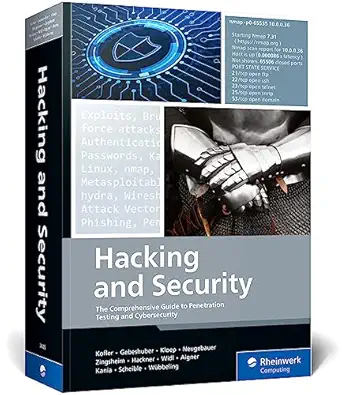 | Best for Intermediate to Advanced Security Enthusiasts | Coverage: Ethical hacking, penetration testing, cybersecurity | Audience: Intermediate to advanced | Technical depth: High | VIEW ON AMAZON | See Our Full Breakdown |
| Cybersecurity for Beginners |  | Best Introductory Guide for Absolute Newcomers | Target Audience: Complete beginners | Content Focus: Fundamental cybersecurity concepts | Technical Depth: Basic | VIEW ON AMAZON | See Our Full Breakdown |
| Cybersecurity Bible: The Comprehensive Operational Handbook with Practical Tests for Training IT Security Specialists and Excelling in Industry Certification Exams |  | Best for Certification Preparation and In-Depth Professional Training | Target Audience: IT security professionals and exam candidates | Content Focus: Operational cybersecurity and certification prep | Technical Depth: High | VIEW ON AMAZON | See Our Full Breakdown |
| How Cybersecurity Really Works: A Hands-On Guide for Total Beginners |  | Best for Practical, Hands-On Beginners | Target Audience: Total beginners | Content Focus: Hands-on cybersecurity techniques | Technical Depth: Basic | VIEW ON AMAZON | See Our Full Breakdown |
| Cybersecurity Fundamentals: Best Security Practices (Cybersecurity Beginner, Book 1) |  | Best for Clear, Beginner-Friendly Security Guidance | Target Audience: Beginners seeking fundamental guidance | Content Focus: Basic security practices | Technical Depth: Limited | VIEW ON AMAZON | See Our Full Breakdown |
| cybersecurity training book | Technical depth | Audience | Level |
|---|---|---|---|
| CompTIA Security+ SY0-701 Cert | — | Certification exam candidates | — |
| CC Certified in Cybersecurity | — | CC certification aspirants | — |
| Cybersecurity Essentials | Limited | Newcomers to cybersecurity | Beginner |
| Cybersecurity For Dummies | — | Beginners | — |
| Hacking and Security: The Comp | High | Intermediate to advanced | — |
| Cybersecurity for Beginners | Basic | — | Beginner |
| Cybersecurity Bible: The Compr | High | — | Advanced |
| How Cybersecurity Really Works | Basic | — | Beginner |
| Cybersecurity Fundamentals: Be | Limited | — | Beginner |
More Details on Our Top Picks
CompTIA Security+ SY0-701 Certification Guide
This guide stands out for its comprehensive coverage of cybersecurity fundamentals tailored specifically to the SY0-701 exam. Unlike the Cybersecurity For Dummies, which offers a more general introduction, this book dives deeply into exam-relevant topics, making it a strong choice for those aiming to pass on their first try. Its inclusion of practice questions and exam tips directly translates to higher confidence and better exam readiness. However, the lack of detailed information about supplementary resources might be a drawback for self-study enthusiasts seeking additional materials. Overall, this pick makes the most sense for learners targeting certification success with structured content.
Pros:- Thorough coverage of cybersecurity fundamentals
- Includes practice questions and exam tips
- Helps increase chances of passing on the first attempt
Cons:- No specific edition or publication date mentioned
- Lacks details on supplementary materials
Best for: Cybersecurity students or professionals preparing specifically for the SY0-701 exam who want a focused, exam-oriented resource.
Not ideal for: Beginners looking for a broad overview of cybersecurity concepts without exam focus, or those seeking updated editions with additional online resources.
- Coverage:Cybersecurity fundamentals for SY0-701
- Practice questions:Included
- Exam tips:Provided
- Audience:Certification exam candidates
- Edition:Not specified
- Supplementary materials:Not detailed
Our verdict“This guide is ideal for exam-focused learners aiming for certification success in cybersecurity fundamentals.”
CC Certified in Cybersecurity Study Guide (Sybex Study Guide)
Compared with Cybersecurity Essentials, which offers basic knowledge, this study guide provides a more extensive and exam-focused overview of cybersecurity topics necessary for CC certification. Its strength lies in its comprehensive scope and authoritative publisher, making it suitable for serious learners. However, the absence of detailed specifications or features and the lack of user reviews may leave some readers uncertain about its practical value. This guide makes the most sense for those who prefer a structured, reputable resource to navigate the certification process, despite the limited technical depth.
Pros:- Comprehensive coverage of key topics
- Authored by a reputable publisher
- Designed specifically for exam success
Cons:- Lacks detailed specifications or features
- No user reviews available
- Potentially too broad without technical depth
Best for: Aspiring CC cybersecurity certification candidates seeking a broad, authoritative review of exam topics.
Not ideal for: Complete beginners with no prior knowledge or professionals seeking advanced technical content, as the guide lacks detailed specifications and may be perceived as superficial.
- Coverage:Cybersecurity exam topics
- Authorship:Reputable publisher
- Purpose:Exam preparation
- Content depth:Broad, not highly technical
- Audience:CC certification aspirants
- Edition:Not specified
Our verdict“This study guide suits learners aiming for a well-rounded, exam-focused resource from a trusted publisher, despite limited technical detail.”
Cybersecurity Essentials
This product offers a straightforward introduction to cybersecurity basics, making it ideal for newcomers. Unlike Cybersecurity For Dummies, which covers a wide range of topics, Cybersecurity Essentials emphasizes foundational knowledge and best practices. Its simplicity is both an advantage and a limitation—while it provides a clear starting point, it lacks the technical depth that more advanced readers might seek. This makes it perfect for those just beginning their cybersecurity journey, but not suitable for experienced professionals looking for in-depth technical guidance.
Pros:- Provides foundational cybersecurity knowledge
- Suitable for beginners
- Focuses on essential security practices
Cons:- Lacks detailed technical content
- No specifications or features listed
- Limited depth for advanced learners
Best for: Individuals new to cybersecurity who need a clear, simple overview of core concepts.
Not ideal for: Experienced security practitioners or those seeking detailed technical or advanced content, as it lacks depth and specifications.
- Level:Beginner
- Focus:Core concepts and practices
- Technical depth:Limited
- Audience:Newcomers to cybersecurity
- Features:Basic overview
- Specifications:Not listed
Our verdict“This book is best for absolute beginners seeking a straightforward, easy-to-understand introduction to cybersecurity fundamentals.”
Cybersecurity For Dummies
This book makes cybersecurity accessible for complete novices, covering essential topics in a clear and engaging way. Compared to Cybersecurity Essentials, it offers a more comprehensive overview suitable for those starting out. However, its broad approach means it skips over technical intricacies, making it less suitable for readers who want in-depth understanding or practical skills. It’s an excellent choice for beginners who want a gentle, all-encompassing introduction, but less ideal for those needing detailed technical or certification-focused content.
Pros:- Accessible for beginners
- Covers a wide range of cybersecurity topics
- Easy-to-understand language
Cons:- Lacks advanced technical details
- May be too basic for experienced professionals
- Does not include practical exercises
Best for: Beginners who want an accessible, comprehensive overview of cybersecurity basics.
Not ideal for: Readers seeking advanced technical details or specialized knowledge, as it remains at a high-level overview.
- Audience:Beginners
- Coverage:Broad cybersecurity topics
- Technical detail:Limited
- Approach:Accessible
- Content scope:High-level overview
- Features:Basic concepts
Our verdict“This book is perfect for newcomers needing a broad yet simple introduction to cybersecurity fundamentals.”
Hacking and Security: The Comprehensive Guide to Ethical Hacking, Penetration Testing, and Cybersecurity
This book offers an extensive exploration of ethical hacking, penetration testing, and cybersecurity principles, making it suitable for both newcomers with some background and seasoned professionals. Unlike Cybersecurity For Dummies, which covers fundamentals, this guide dives into practical techniques and real-world scenarios, providing a more technical and hands-on perspective. Its detailed content might overwhelm casual readers or those seeking only basic knowledge. For security practitioners aiming to deepen their technical skills, this resource is invaluable, but it may be less appropriate for complete beginners or those looking for a simplified overview.
Pros:- Comprehensive coverage of hacking and security topics
- Includes practical techniques and examples
- Suitable for both beginners with some background and experts
Cons:- No specific edition or publication details
- Content may be too technical for casual readers
- Potentially overwhelming for those new to cybersecurity
Best for: Security professionals or enthusiasts with some foundational knowledge seeking practical, technical insights into hacking and security.
Not ideal for: Complete beginners or casual readers who want only an introductory overview, since the content can be highly technical and dense.
- Coverage:Ethical hacking, penetration testing, cybersecurity
- Audience:Intermediate to advanced
- Technical depth:High
- Practical content:Included
- Real-world examples:Yes
- Edition:Not specified
Our verdict“This guide is ideal for intermediate or advanced learners who want a detailed, practical understanding of ethical hacking and cybersecurity practices.”
Cybersecurity for Beginners
This book stands out as a straightforward, easy-to-understand entry point into cybersecurity, making it ideal for complete novices who need a solid foundation. Compared with How Cybersecurity Really Works, which offers more practical, hands-on guidance, this title emphasizes core concepts without overwhelming technical details. Its simplicity is a strength for those just starting out, but it may leave readers hungry for deeper technical insights or advanced topics. If you need an accessible starting point to grasp basic security principles, this is a solid choice. However, experienced learners or those seeking comprehensive technical depth should look elsewhere.
Pros:- Provides a clear introduction to core cybersecurity concepts
- Suitable for complete beginners with no prior experience
- Covers essential security practices in simple language
Cons:- Lacks detailed technical depth and advanced topics
- No specific edition or publication details, which may affect credibility
Best for: beginners with no prior cybersecurity background seeking a clear, foundational overview
Not ideal for: advanced learners or IT professionals needing in-depth technical details or practical testing features
- Target Audience:Complete beginners
- Content Focus:Fundamental cybersecurity concepts
- Technical Depth:Basic
- Practical Guidance:Yes
- Publication Details:Not specified
- Level:Beginner
Our verdict“This book is best suited for absolute beginners who need a straightforward introduction to cybersecurity basics.”
Cybersecurity Bible: The Comprehensive Operational Handbook with Practical Tests for Training IT Security Specialists and Excelling in Industry Certification Exams
Compared with Cybersecurity for Beginners, which introduces foundational concepts, this comprehensive guide targets IT professionals aiming to pass industry certifications and master operational security. Its extensive coverage includes practical tests, making it an excellent resource for those preparing for exams like CISSP or CompTIA Security+. However, its density and depth can be overwhelming for newcomers, who might find it less approachable. This book makes the most sense for experienced security practitioners or those committed to certification, but it might be too technical for beginners seeking a gentle start.
Pros:- Comprehensive coverage of cybersecurity operations and best practices
- Includes practical tests to aid certification preparation
- Designed for IT professionals aiming to excel in industry exams
Cons:- No detailed technical specifications or practical examples for beginners
- Can be dense and challenging for those new to cybersecurity concepts
Best for: IT security professionals preparing for certifications or seeking an in-depth operational handbook
Not ideal for: absolute beginners or casual learners who need a simple overview without technical complexity
- Target Audience:IT security professionals and exam candidates
- Content Focus:Operational cybersecurity and certification prep
- Technical Depth:High
- Practical Tests:Yes
- Edition/Publication:Not specified
- Level:Advanced
Our verdict“This guide is ideal for seasoned IT security professionals focused on certification success and advanced operational skills.”
How Cybersecurity Really Works: A Hands-On Guide for Total Beginners
This book makes a notable departure from purely theoretical texts by offering hands-on, real-world scenarios suitable for absolute newcomers. It’s better suited than Cybersecurity Fundamentals for those who prefer learning by doing, thanks to its practical guidance and approachable language. While it provides a solid overview of basic concepts, it doesn’t delve into advanced topics or technical intricacies, making it less suitable for those who want a more comprehensive or technical resource. If you’re a complete beginner who learns best through practical exercises, this pick will help you grasp how cybersecurity works in everyday situations.
Pros:- Easy-to-understand, beginner-friendly language
- Practical approach with real-world scenarios
- Provides a comprehensive overview of cybersecurity basics
Cons:- Lacks coverage of advanced or technical topics
- No detailed technical depth for more experienced users
Best for: total beginners eager for a practical, scenario-based introduction to cybersecurity
Not ideal for: experienced professionals or learners seeking detailed technical procedures and advanced topics
- Target Audience:Total beginners
- Content Focus:Hands-on cybersecurity techniques
- Technical Depth:Basic
- Approach:Practical
- Publication Details:Not specified
- Level:Beginner
Our verdict“This book is well-suited for complete beginners who prefer learning through practical, hands-on examples of cybersecurity in action.”
Cybersecurity Fundamentals: Best Security Practices (Cybersecurity Beginner, Book 1)
While this book offers straightforward, beginner-friendly advice similar to Cybersecurity for Beginners, it emphasizes essential security practices without overwhelming technical details. It’s less comprehensive than Cybersecurity Bible, which covers more operational and certification topics, making it ideal for those just starting out. Its clear guidance helps newcomers understand basic security measures, but the lack of detailed technical depth and limited information on advanced concepts might leave more experienced learners seeking more comprehensive resources. Also, with no customer reviews, its reliability is somewhat uncertain.
Pros:- Provides clear, beginner-friendly cybersecurity guidance
- Covers essential security practices effectively
- Simple language makes complex topics accessible
Cons:- Lacks detailed technical depth and advanced topics
- No customer reviews or detailed specifications available
Best for: newcomers needing a clear, easy-to-understand introduction to fundamental security practices
Not ideal for: advanced learners or those seeking detailed technical or operational guidance beyond basic practices
- Target Audience:Beginners seeking fundamental guidance
- Content Focus:Basic security practices
- Technical Depth:Limited
- Approach:Clear, beginner-friendly
- Publication Details:Not specified
- Level:Beginner
Our verdict“This book is best for newcomers who want an easy-to-understand introduction to basic cybersecurity practices without technical complexity.”

How We Picked
These cybersecurity training books were evaluated based on several key factors: comprehensiveness of content, clarity of explanations, practical exercises, relevance to current industry standards, and user reviews. We prioritized books that serve different learning levels, from beginners to advanced practitioners, ensuring a diverse selection. Cost and format were also considered to provide options for various budgets. The ranking reflects a balance between depth of knowledge, usability, and value, helping readers find resources that truly support their cybersecurity learning journey.| cybersecurity training book | Audience | Level | Technical depth |
|---|---|---|---|
| CompTIA Security+ SY0-701 Cert | Certification exam candidates | — | — |
| CC Certified in Cybersecurity | CC certification aspirants | — | — |
| Cybersecurity Essentials | Newcomers to cybersecurity | Beginner | Limited |
| Cybersecurity For Dummies | Beginners | — | — |
| Hacking and Security: The Comp | Intermediate to advanced | — | High |
| Cybersecurity for Beginners | — | Beginner | Basic |
| Cybersecurity Bible: The Compr | — | Advanced | High |
| How Cybersecurity Really Works | — | Beginner | Basic |
| Cybersecurity Fundamentals: Be | — | Beginner | Limited |
Factors to Consider When Choosing Cybersecurity Training Books
Choosing the right cybersecurity training book depends on your skill level, learning style, and specific goals. Whether you’re preparing for certification exams or seeking practical knowledge, understanding these key factors will help you make an informed decision and avoid common pitfalls.Skill Level and Content Depth
Identify whether you are a beginner, intermediate, or advanced learner. Beginners should look for books that break down complex concepts into simple language, while experienced readers may prefer comprehensive guides that delve into advanced topics. Overly basic books can be frustrating for seasoned learners, so matching the content depth to your current knowledge is essential for effective learning.
Focus and Purpose
Determine if your main goal is certification preparation, general knowledge, or developing hands-on skills. Some books are tailored specifically for exams like Security+ or CISSP, offering practice questions and exam tips. Others provide broad industry insights or practical tutorials. Clarifying your purpose helps narrow down the options and avoid investing in a resource that doesn’t align with your objectives.
Practical Exercises and Case Studies
Books that include practical exercises, lab scenarios, or real-world case studies tend to improve retention and skill application. Consider whether the book offers interactive elements or online resources, especially if you prefer a hands-on approach. Avoid overly theoretical texts if your goal is to acquire actionable skills for immediate use in the field.
Up-to-Date Content and Industry Relevance
Cybersecurity is a rapidly evolving field; therefore, choose books that are current and reflect the latest threats, tools, and certification standards. Outdated material can lead to gaps in knowledge or difficulty passing exams. Always check publication dates and editions to ensure your learning resources are aligned with current industry practices.
Budget and Format
Price ranges vary, with some high-end books offering in-depth coverage at a premium cost, while others provide excellent value for beginners or casual learners. Consider whether a hardcover, paperback, or digital format best suits your learning style and budget. Remember, investing in a quality resource can pay off in exam success and practical competence, but balance cost with content quality to avoid overspending on less useful materials.
Frequently Asked Questions
Should I focus on certification-specific books or general cybersecurity books?
If your primary goal is to earn a certification, selecting books tailored to that exam, such as Security+ or CISSP, makes sense as they include targeted practice questions and exam strategies. However, for building a broader understanding of cybersecurity principles and staying current with industry trends, general books can provide a solid foundation. Combining both types can be an effective approach, depending on your timeline and learning needs.
Are digital or print books better for cybersecurity training?
Both formats have their advantages. Digital books are portable and often include interactive features like hyperlinks and videos, which can enhance learning. Print books offer a tactile experience, which some learners prefer for note-taking and easier reference. Consider your learning style and whether you value portability or physical interaction when choosing the format.
How important are updated editions in cybersecurity textbooks?
Given the fast-changing nature of cybersecurity, newer editions are generally better, as they incorporate recent threats, tools, and industry standards. An outdated book might omit critical recent developments, leading to gaps in knowledge or difficulty in passing current exams. Always check the publication date before purchasing, especially if your goal is certification or practical knowledge.
Can I learn cybersecurity effectively without hands-on practice?
While reading books provides essential theoretical understanding, practical experience is vital in cybersecurity. Books that include exercises, labs, or case studies can bridge the gap between theory and real-world application. For comprehensive learning, combine reading with hands-on practice using virtual labs, simulations, or real equipment whenever possible.
What should I consider if I want a book that grows with my skills?
Look for books that are structured from beginner to advanced levels or those that offer supplementary resources like online courses or advanced chapters. A book that provides progressive content allows you to start simple and deepen your knowledge over time, making it a valuable long-term resource. Avoid overly specialized books if you are just beginning, as they may be overwhelming or lack foundational coverage.
Conclusion
For most learners, the CompTIA Security+ SY0-701 Certification Guide offers the best overall value, especially if certification is a goal. Beginners or casual learners may find Cybersecurity For Dummies the most accessible starting point. Those seeking a premium, in-depth resource might consider the Cybersecurity Bible for comprehensive industry insights. Budget-conscious students should prioritize books with strong reviews and up-to-date content without overspending. Ultimately, your choice depends on your skill level, learning style, and specific objectives—select the resource that best aligns with these factors to maximize your cybersecurity learning journey.