For Mac Pro for enterprise IT deployments, the strongest choice in this lineup is the 16-inch MacBook Pro with M5 Max, 128GB memory, and 2TB SSD: it combines substantial headroom with a configuration suited to demanding professional workflows. The M5 Pro 14-inch MacBook Pro is a more manageable fit for standard mobile teams, while the Mac mini M4 offers a compact option for fixed desks and shared spaces. The lineup also includes administration books, which can help teams plan policies and deployment practices but are not substitutes for current device-management tools. Your main tradeoffs are fleet consistency versus specialized performance, portable hardware versus fixed workstations, and new devices versus renewed models with older chips. Read on for the full breakdown of how these options fit different enterprise needs.

Get privacy and security gear delivered free with Prime
- Fast, free delivery on millions of items
- Prime Video, Amazon Music and more included
- Member-only deals all year
Key Takeaways
- The 16-inch M5 Max with 128GB memory and 2TB SSD is the hardware standout for demanding workloads; the 4TB version makes more sense when local storage needs justify its added capacity.
- The 14-inch M5 Pro is the more balanced mobile fleet choice for general professional use, while M5 Max configurations are better reserved for users who can benefit from their extra processing and memory headroom.
- The M4 Mac mini is the only desktop in the lineup, making it a better fit for fixed, shared, or lab environments than for employees who need a mobile computer.
- Renewed M1 Max and M4 Max laptops may appeal to teams with specific hardware or lifecycle plans, but their older generations call for closer checks on support windows, condition, and standardization.
- Administration books serve different purposes: current-oriented management titles can inform planning, while the Mac OS X 10.6 deployment book is a legacy reference rather than a guide for modern fleet rollouts.
| Apple 2021 MacBook Pro with M1 Max Chip, 14-inch, 64GB RAM, 2TB SSD, Silver (Renewed) |  | Best Renewed Mobile Workstation | Processor: Apple M1 Max 10-core CPU | Graphics: 24-core GPU | Memory: 64GB RAM | VIEW ON AMAZON | See Our Full Breakdown |
| Apple MacBook Pro 14.2-Inch Laptop with M5 Pro, 48GB Memory, 1TB SSD, Space Black |  | Best Current-Generation Fleet Laptop | Processor: Apple M5 Pro | Memory: 48GB unified memory | Storage: 1TB SSD | VIEW ON AMAZON | See Our Full Breakdown |
| Enterprise Mac Administrators Guide |  | Best Deployment Reference for IT Teams | Format: Guide | Subject: Enterprise Mac administration | Coverage: Deployment strategies, device management, security, and troubleshooting | VIEW ON AMAZON | See Our Full Breakdown |
| Mac mini with M4 10-core CPU and 10-core GPU, 24GB Memory, 1TB Storage | 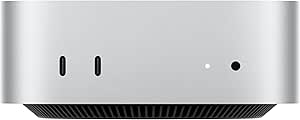 | Best Compact Shared-Desk Mac | Processor: Apple M4 10-core CPU | Graphics: 10-core GPU | Memory: 24GB | VIEW ON AMAZON | See Our Full Breakdown |
| Enterprise Mac Managed Preferences |  | Best Specialized Reference for Preference Management | Title: Enterprise Mac Managed Preferences | ASIN: 1430229373 | Product description: Not provided | VIEW ON AMAZON | See Our Full Breakdown |
| Apple 2026 MacBook Pro Laptop with M5 Max Chip, 14.2-inch Display, 36GB RAM, 2TB SSD, Wi-Fi 7, Silver with AppleCare+ |  | Best for Mobile Enterprise Specialists | Processor: Apple M5 Max, 18-core CPU, 32-core GPU | Display: 14.2-inch Liquid Retina XDR | Memory: 36GB unified memory | VIEW ON AMAZON | See Our Full Breakdown |
| Apple MacBook Pro 16.2-inch with M5 Max, 18-core CPU, 40-core GPU, 128GB Memory, and 4TB SSD, Space Black |  | Best for High-Demand Mobile Workstations | Chip: Apple M5 Max | CPU: 18-core | GPU: 40-core | VIEW ON AMAZON | See Our Full Breakdown |
| Apple MacBook Pro 16.2-inch with M5 Max, 18-core CPU, 40-core GPU, 128GB Memory, 2TB SSD, Silver |  | Best for Enterprise Multi-Display Desks | Processor: Apple M5 Max, 18-core CPU | Graphics: 40-core GPU | Display: 16.2-inch Liquid Retina XDR | VIEW ON AMAZON | See Our Full Breakdown |
| Apple MacBook Pro Laptop with M5 Max, 16.2-inch Display, 128GB Memory, 2TB SSD, Space Black |  | Best for Apple-Centric Executive Teams | Processor: M5 Max, 18-core CPU, 40-core GPU | Display: 16.2-inch Liquid Retina XDR | Memory: 128GB unified memory | VIEW ON AMAZON | See Our Full Breakdown |
| Apple Device Management: A Unified Theory of Managing Macs, iPads, iPhones, and Apple TVs |  | Best for Apple Fleet Planning | Format: Book | Subject: Apple device management | Device coverage: Macs, iPads, iPhones, and Apple TVs | VIEW ON AMAZON | See Our Full Breakdown |
| Enterprise Mac Administrators Guide |  | Best for Enterprise Mac Administration | Format: Guide | Subject: Enterprise Mac administration | Intended audience: Administrators managing Mac computers | VIEW ON AMAZON | See Our Full Breakdown |
| Apple 2024 MacBook Pro Laptop with M4 Max, 16-inch Liquid Retina XDR Display, 48GB Memory, 1TB SSD, Silver (Renewed) |  | Best for Mobile Enterprise Power Users | Processor: Apple M4 Max | Display: 16.2-inch Liquid Retina XDR | Memory: 48GB unified memory | VIEW ON AMAZON | See Our Full Breakdown |
| Mac OS X Deployment v10.6 |  | Best for Legacy Snow Leopard Environments | Title focus: Mac OS X deployment | Version: 10.6 | Intended audience: IT professionals | VIEW ON AMAZON | See Our Full Breakdown |
| mac pro for enterprise it deployment | Memory | Storage | Processor | Display |
|---|---|---|---|---|
| Apple 2021 MacBook Pro with M1 | 64GB RAM | 2TB SSD | Apple M1 Max 10-core CPU | 14-inch Retina LED |
| Apple MacBook Pro 14.2-Inch La | 48GB unified memory | 1TB SSD | Apple M5 Pro | 14.2-inch Liquid Retina XDR |
| Enterprise Mac Administrators | — | — | — | — |
| Mac mini with M4 10-core CPU a | 24GB | 1TB SSD | Apple M4 10-core CPU | — |
| Enterprise Mac Managed Prefere | — | — | — | — |
| Apple 2026 MacBook Pro Laptop | 36GB unified memory | 2TB SSD | Apple M5 Max, 18-core CPU, 32-core GPU | 14.2-inch Liquid Retina XDR |
| Apple MacBook Pro 16.2-inch wi | 128GB unified memory | 4TB SSD | — | 16.2-inch Liquid Retina XDR |
| Apple MacBook Pro 16.2-inch wi | 128GB | 2TB SSD | Apple M5 Max, 18-core CPU | 16.2-inch Liquid Retina XDR |
| Apple MacBook Pro Laptop with | 128GB unified memory | 2TB SSD | M5 Max, 18-core CPU, 40-core GPU | 16.2-inch Liquid Retina XDR |
| Apple Device Management: A Uni | — | — | — | — |
| Enterprise Mac Administrators | — | — | — | — |
| Apple 2024 MacBook Pro Laptop | 48GB unified memory | 1TB SSD | Apple M4 Max | 16.2-inch Liquid Retina XDR |
| Mac OS X Deployment v10.6 | — | — | — | — |
More Details on Our Top Picks
Apple 2021 MacBook Pro with M1 Max Chip, 14-inch, 64GB RAM, 2TB SSD, Silver (Renewed)
For teams that need a capable Mac workstation for a traveling administrator or specialist, this renewed 14-inch MacBook Pro pairs an M1 Max 10-core CPU with 64GB RAM and a 2TB SSD. That memory and storage give demanding local workflows more room than the Mac mini M4’s 24GB and 1TB, while the laptop form keeps work possible away from a desk. Its 24-core GPU also suits graphics-heavy tasks better than the mini’s integrated configuration. The enterprise tradeoff is age and renewal status: battery capacity is stated as above 80%, but this is not a new or Apple-certified unit, and packaging or accessories may be generic. I’d favor it where the hardware capacity matters more than receiving a current-generation, standardized fleet device.
Pros:- 64GB RAM supports demanding multitasking and memory-heavy applications.
- 2TB SSD provides substantial local storage for project files and work assets.
- M1 Max with a 24-core GPU is suited to graphics-intensive workloads.
- Renewed unit is inspected and tested, with stated battery capacity above 80%.
Cons:- Renewed condition and limited warranty offer less certainty than a new fleet purchase.
- Battery capacity is only specified as exceeding 80%, not as a new-battery guarantee.
- Generic packaging and compatible non-original accessories can complicate consistent enterprise provisioning.
Best for: IT teams seeking a lower-cost, high-memory mobile Mac for a small number of staff handling demanding local workloads.
Not ideal for: Organizations standardizing large fleets on new hardware with consistent original accessories, current-generation chips, and predictable battery condition.
- Processor:Apple M1 Max 10-core CPU
- Graphics:24-core GPU
- Memory:64GB RAM
- Storage:2TB SSD
- Display:14-inch Retina LED
- Resolution:2560 × 1600 pixels
- Color:Silver
- Renewed condition:Inspected and tested; battery capacity exceeds 80%
Our verdict“Choose this renewed MacBook Pro for a high-memory mobile workstation when capacity matters more than new-device consistency.”
Apple MacBook Pro 14.2-Inch Laptop with M5 Pro, 48GB Memory, 1TB SSD, Space Black
This 14.2-inch MacBook Pro is the strongest fit here for organizations seeking a current-generation portable Mac with a broad range of built-in connections. Its M5 Pro chip, 48GB unified memory, and Thunderbolt 5 support demanding employee workflows without requiring the larger footprint of a desktop setup. HDMI and an SDXC slot can also reduce adapter needs when users move between meeting rooms and workstations. Compared with the renewed M1 Max MacBook Pro, this listing presents a newer platform and a more current port set, but offers less memory and storage. There is a procurement caveat: the supplied details conflict on CPU/GPU core counts and even mix 14-inch and 16-inch information. I’d confirm the exact configuration with the seller before enrolling it as a standardized fleet model.
Pros:- 48GB unified memory supports substantial multitasking in a portable system.
- Three Thunderbolt 5 ports, HDMI, and SDXC offer flexible workplace connectivity.
- 14.2-inch Liquid Retina XDR display has a 120Hz refresh rate.
- 12MP Center Stage camera supports video meetings while on the move.
Cons:- Product details conflict on processor and graphics core counts.
- Description mixes 14-inch and 16-inch model information, requiring configuration verification.
- 1TB SSD is half the capacity of the renewed M1 Max MacBook Pro listed here.
Best for: Enterprise buyers who need a portable, current-generation Mac for staff using external displays, fast peripherals, and demanding business applications.
Not ideal for: Procurement teams that cannot accept conflicting configuration details or need 64GB-plus memory and 2TB local storage as standard.
- Processor:Apple M5 Pro
- Memory:48GB unified memory
- Storage:1TB SSD
- Display:14.2-inch Liquid Retina XDR
- Resolution:3456 × 2234
- Refresh rate:120Hz
- Ports:Three Thunderbolt 5, MagSafe 3, SDXC card slot, HDMI, headphone jack
- Camera:12MP Center Stage
- Color:Space Black
Our verdict“Choose this model for a modern, well-connected mobile fleet only after confirming its exact chip and screen configuration.”
Enterprise Mac Administrators Guide
Hardware alone does not make a Mac deployment manageable; this guide’s value is its focus on macOS administration, deployment planning, security, and troubleshooting. For an IT team bringing Macs such as the M4 Mac mini into a business environment, practical procedures can help shape repeatable setup and support practices. Unlike the Mac mini, this is not an endpoint or a substitute for device-management tooling: it is a reference for the people responsible for operating the fleet. The drawback is currency. macOS changes over time, so instructions may not map cleanly to newer releases, and the technical writing may be a difficult starting point for less experienced administrators. I’d treat it as supporting material for an established IT team, not as the sole authority for a current deployment plan.
Pros:- Addresses enterprise macOS deployment and administration rather than general Mac use.
- Covers device management, security practices, and troubleshooting.
- Includes practical examples and step-by-step procedures.
- Can support repeatable IT processes across varied Mac hardware, including Mac mini deployments.
Cons:- Guidance may be dated as macOS versions and management practices change.
- Dense technical language can make it harder for junior staff to use.
- A book cannot replace current vendor documentation or organization-specific device-management policies.
Best for: Mac administrators building deployment, security, and troubleshooting procedures for an organization’s macOS fleet.
Not ideal for: New Mac users or teams looking for current, version-specific instructions without checking whether the guidance matches their macOS release.
- Format:Guide
- Subject:Enterprise Mac administration
- Coverage:Deployment strategies, device management, security, and troubleshooting
- Intended audience:IT professionals managing macOS environments
- Practical material:Examples and step-by-step procedures
- ASIN:B004VH5Z4O
Our verdict“Use this guide as a supporting reference for experienced Mac administrators, while validating its procedures against current macOS documentation.”
Mac mini with M4 10-core CPU and 10-core GPU, 24GB Memory, 1TB Storage
For fixed workstations, labs, and shared desks, this Mac mini trades laptop mobility for a compact 5 × 5-inch desktop that can sit beneath a monitor. Its M4 chip, 24GB memory, and 1TB SSD make it a practical endpoint for everyday business use, while Thunderbolt, HDMI, USB-C, and Ethernet support common office connections. Compared with the 14-inch M5 Pro MacBook Pro, it is a desk-bound option with less memory and no built-in display, keyboard, or battery; the laptop is the better choice for staff who travel or need a single portable computer. The mini’s small footprint can simplify desk layouts, but its compact design also limits upgrades and there is no dedicated graphics option. I’d pick it for controlled, stationary deployments rather than specialist graphics work.
Pros:- Compact 5 × 5-inch form factor fits easily beneath a monitor.
- M4 10-core CPU and 10-core GPU suit everyday business workloads.
- 24GB memory and 1TB SSD provide a solid baseline for desktop use.
- Thunderbolt, HDMI, USB-C, and Ethernet support varied office setups.
Cons:- No built-in display, keyboard, battery, or other laptop conveniences.
- Compact design limits upgrade options after deployment.
- No dedicated graphics card option for specialized GPU-heavy work.
Best for: IT teams equipping fixed desks, labs, kiosks, or shared office stations where monitors and peripherals are already available.
Not ideal for: Mobile employees, users who need a built-in display, or teams requiring expandable memory and dedicated graphics hardware.
- Processor:Apple M4 10-core CPU
- Graphics:10-core GPU
- Memory:24GB
- Storage:1TB SSD
- Form factor:Mini desktop, 5 × 5 inches
- Operating system:macOS
- Connectivity:Thunderbolt, HDMI, USB-C, Ethernet
- Color:Silver
Our verdict“Choose the Mac mini for stationary enterprise desks that need a compact desktop and already have monitors and peripherals.”
Enterprise Mac Managed Preferences
The title points to a focused reference on managed preferences, a subject that can matter when IT teams define consistent Mac settings across an organization. In an enterprise deployment, this kind of material may complement broader resources such as the Enterprise Mac Administrators Guide, which is described as covering deployment, security, and troubleshooting. The supplied listing provides no description, feature details, or confirmation of its coverage, though, so I cannot judge its currency, depth, or suitability for a particular macOS release. That uncertainty makes it a narrower and riskier selection than the administrators guide for teams building an overall deployment program. I’d consider it only when managed-preference configuration is a specific research need and the edition’s contents can be verified before purchase.
Pros:- Title targets managed preferences, a focused enterprise administration topic.
- Could serve as a complement to the broader Enterprise Mac Administrators Guide.
- A specialized reference may help administrators researching configuration consistency.
Cons:- No product description is provided, so coverage and practical depth cannot be confirmed.
- The listing gives no edition or macOS-version context to establish current relevance.
- Not enough supplied information to judge whether it fits a deployment team’s specific management tools.
Best for: Mac administrators researching managed preference configuration who can verify the book’s contents and relevance to their environment.
Not ideal for: Teams seeking a broad deployment manual or current, confirmed guidance for managing modern macOS fleets.
- Title:Enterprise Mac Managed Preferences
- ASIN:1430229373
- Product description:Not provided
- Topic indicated by title:Managed preferences for Mac
- Edition details:Not provided
- Technical coverage:Not specified in supplied product data
Our verdict“Consider this title only for a verified managed-preferences research need, not as a general enterprise Mac deployment guide.”
Apple 2026 MacBook Pro Laptop with M5 Max Chip, 14.2-inch Display, 36GB RAM, 2TB SSD, Wi-Fi 7, Silver with AppleCare+
I’d shortlist this 14.2-inch MacBook Pro for enterprise staff who need M5 Max compute in a more manageable laptop format. Its 18-core CPU and 32-core GPU support demanding professional work, while 36GB unified memory and a 2TB SSD give a mobile user room for substantial projects and local data. Compared with the 16.2-inch M5 Max models in this roundup, it prioritizes a smaller display and lower specified memory capacity over the heavier configurations’ 40-core GPU and 128GB memory. That makes it a better fit for field engineers and traveling specialists than for teams running memory-intensive local AI or complex media workloads. The three-year AppleCare+ coverage is a useful deployment detail, but the supplied data gives no port list or specific battery-life figure, so IT buyers should verify those needs before standardizing it.
Pros:- M5 Max with 18-core CPU and 32-core GPU for demanding professional workloads
- 36GB unified memory supports more intensive multitasking than entry-level configurations
- 2TB SSD provides substantial local workspace for projects and files
- Three years of AppleCare+ coverage is specified
Cons:- 36GB memory is far below the 128GB available in the 16.2-inch M5 Max configurations
- The supplied specifications do not identify its ports or give a specific battery-life figure
- The 14.2-inch screen offers less workspace than the 16.2-inch options
Best for: Enterprise teams issuing a high-performance Mac to mobile specialists who need substantial local storage and a smaller display footprint.
Not ideal for: IT departments deploying memory-heavy local AI or graphics workflows, or buyers who need verified port and battery-life details before selecting a standard device.
- Processor:Apple M5 Max, 18-core CPU, 32-core GPU
- Display:14.2-inch Liquid Retina XDR
- Memory:36GB unified memory
- Storage:2TB SSD
- Wireless:Wi-Fi 7
- Color:Silver
- Warranty:Three years with AppleCare+
Our verdict“Choose this model for mobile enterprise users who need M5 Max performance and 2TB storage in a smaller MacBook Pro, not maximum memory capacity.”
Apple MacBook Pro 16.2-inch with M5 Max, 18-core CPU, 40-core GPU, 128GB Memory, and 4TB SSD, Space Black
For an enterprise team that needs a laptop to handle large local workloads, this is the most expansive configuration in the group: 128GB unified memory, a 40-core GPU, and a 4TB SSD. Compared with the silver 16.2-inch M5 Max with 2TB storage, it doubles local capacity, which can reduce reliance on external drives for large working sets. The three Thunderbolt 5 ports, HDMI, and SDXC slot also give IT more options for desk and presentation setups, and the listing specifies support for up to four external displays. The tradeoff is operational as well as physical: at 8.2 pounds, it is a substantial machine for frequent travel, and many enterprise users may not need this much memory or storage. I’d reserve it for specialists with a clear workload case rather than make it a general staff standard.
Pros:- 128GB unified memory suits demanding local workloads
- 40-core GPU and M5 Max chip target intensive graphics and AI tasks
- 4TB SSD offers twice the storage of the listed 2TB 16.2-inch M5 Max alternatives
- Three Thunderbolt 5 ports, HDMI, SDXC, and support for up to four external displays
Cons:- Specified weight of 8.2 pounds makes it cumbersome for frequent travel
- 128GB memory and 4TB storage may be unnecessary for many enterprise roles
- The large 16.2-inch chassis is less convenient for compact workspaces
Best for: Enterprise video, graphics, and on-device AI teams that need high memory capacity, large local projects, and a laptop capable of driving several external displays.
Not ideal for: General office deployments, frequent travelers, or IT teams seeking a broadly portable standard laptop with lower hardware requirements.
- Chip:Apple M5 Max
- CPU:18-core
- GPU:40-core
- Display:16.2-inch Liquid Retina XDR
- Memory:128GB unified memory
- Storage:4TB SSD
- Weight:8.2 pounds
- Ports:Three Thunderbolt 5, MagSafe 3, SDXC card slot, HDMI, headphone jack
- External display support:Up to four displays
Our verdict“Select this configuration for specialist teams that can use its 128GB memory and 4TB local storage, rather than for broad employee deployment.”
Apple MacBook Pro 16.2-inch with M5 Max, 18-core CPU, 40-core GPU, 128GB Memory, 2TB SSD, Silver
This silver 16.2-inch M5 Max configuration suits enterprise users who need a powerful laptop that can anchor a multi-display desk. It combines 128GB memory and a 40-core GPU with support for up to four external displays, while its Thunderbolt 5, HDMI, and SDXC connections simplify links to workplace peripherals. Compared with the Space Black M5 Max model in this roundup, it keeps the same stated memory and GPU class but has a 2TB SSD instead of 4TB, making it the more restrained choice for teams that store large files on managed network or external storage. The tradeoff is still substantial portability: the listing gives its weight as 8.4 pounds, and the 16.2-inch chassis is better suited to desk-to-desk movement than regular commuting. I’d choose it when the multi-display setup matters more than maximum internal capacity.
Pros:- 128GB memory and a 40-core GPU support demanding professional workloads
- Supports up to four external displays for flexible workstation setups
- Thunderbolt 5, HDMI, and SDXC provide varied connection options
- 2TB SSD provides substantial local storage without the 4TB configuration
Cons:- At 8.4 pounds, it is a poor fit for frequent travel
- 2TB storage is half the capacity of the 4TB Space Black M5 Max option
- Its high memory and GPU specifications may exceed the needs of standard office users
Best for: Enterprise analysts, developers, and creative staff who need 128GB memory and a laptop that can connect to a multi-display workstation.
Not ideal for: Frequent travelers or teams that need 4TB of internal storage; the Space Black 16.2-inch M5 Max configuration offers double the SSD capacity.
- Processor:Apple M5 Max, 18-core CPU
- Graphics:40-core GPU
- Display:16.2-inch Liquid Retina XDR
- Memory:128GB
- Storage:2TB SSD
- Weight:8.4 pounds
- Wireless:Wi-Fi 7, Bluetooth 6
- Ports:Three Thunderbolt 5, MagSafe 3, SDXC, HDMI, headphone jack
- External display support:Up to four displays
Our verdict“Choose this silver model for memory-intensive users who need a four-display desk setup but do not require the 4TB SSD of its Space Black counterpart.”
Apple MacBook Pro Laptop with M5 Max, 16.2-inch Display, 128GB Memory, 2TB SSD, Space Black
I’d place this Space Black 16.2-inch MacBook Pro on the shortlist for enterprise professionals already working across Apple devices, especially when a large display and high memory capacity matter. The M5 Max with 18-core CPU and 40-core GPU pairs with 128GB unified memory, putting it in the same demanding-workload class as the silver 2TB model. The listed 2TB SSD and port selection make it a capable mobile workstation, while the stated all-day battery life can help staff work away from a fixed desk. Compared with the 4TB Space Black configuration, it offers less local capacity; compared with the 14.2-inch M5 Max, it is much less compact. The product data also emphasizes Apple-device integration, which is useful for an Apple-standardized fleet but less compelling for mixed environments. IT should confirm compatibility with required non-Apple software before deployment.
Pros:- M5 Max, 18-core CPU, and 40-core GPU target demanding workloads
- 128GB unified memory supports intensive multitasking and local processing
- All-day battery life is specified for work away from a desk
- Thunderbolt 5, MagSafe 3, SDXC, HDMI, and headphone jack provide varied connectivity
Cons:- 2TB storage is less than the 4TB Space Black M5 Max configuration
- Large 16.2-inch size is less portable than the 14.2-inch M5 Max option
- Apple ecosystem integration may not suit organizations dependent on non-Apple software
Best for: Enterprise teams standardized on Apple devices that need a high-memory 16.2-inch laptop for professional work and mobile productivity.
Not ideal for: Mixed-platform organizations with required non-Apple software, or employees who need a lighter laptop for frequent commuting.
- Processor:M5 Max, 18-core CPU, 40-core GPU
- Display:16.2-inch Liquid Retina XDR
- Memory:128GB unified memory
- Storage:2TB SSD
- Battery life:All-day
- Ports:Three Thunderbolt 5, MagSafe 3, SDXC, HDMI, headphone jack
- Wireless:Wi-Fi 7, Bluetooth 6
Our verdict“Pick this for an Apple-standardized enterprise team that wants a 128GB, 16.2-inch M5 Max laptop without the 4TB model’s additional storage.”
Apple Device Management: A Unified Theory of Managing Macs, iPads, iPhones, and Apple TVs
Unlike the MacBook Pro entries, this is a management book rather than a deployment computer, so I’d treat it as supporting material for an enterprise Mac program. Its stated scope spans Macs, iPads, iPhones, and Apple TVs, making it relevant to IT teams planning shared practices across a broader Apple fleet. That makes it a different kind of buy from the Enterprise Mac Administrators Guide listed elsewhere in this roundup: this title signals a multi-device perspective, while a Mac-specific administrator guide may be a closer match for teams focused only on computer deployment. The available product information provides no contents, edition details, or technical specifications, so I can’t judge its coverage depth or currency from this listing. Buyers should confirm that its material matches their management platform and deployment policies before adopting it as an operational reference.
Pros:- Addresses management of Macs alongside iPhones, iPads, and Apple TVs
- May support planning for organizations managing multiple Apple device categories
- Provides a non-hardware complement to the MacBook Pro options in this roundup
Cons:- The supplied listing gives no contents or details about specific management methods
- Edition and technical currency are not stated in the available product data
- It is not a computer and cannot fulfill an endpoint hardware deployment need
Best for: IT managers and administrators planning management practices across an organization’s Macs, iPhones, iPads, and Apple TVs.
Not ideal for: Teams seeking a MacBook Pro, a hands-on deployment checklist, or a reference whose edition and technical coverage have not been verified.
- Format:Book
- Subject:Apple device management
- Device coverage:Macs, iPads, iPhones, and Apple TVs
- Title:Apple Device Management: A Unified Theory of Managing Macs, iPads, iPhones, and Apple TVs
- ISBN-10:1484291557
- Edition details:Not provided
Our verdict“Consider this book as a possible cross-device planning reference, but verify its edition and coverage before relying on it for enterprise procedures.”
Enterprise Mac Administrators Guide
A practical administration reference, this guide is the most directly relevant pick here for IT teams responsible for a fleet of Macs. Unlike the M4 Max MacBook Pro, which supplies hardware for an individual power user, this book focuses on the work of managing Macs across an organization. That makes it a better fit for administrators seeking operational guidance than for teams shopping for deployment hardware.
The listing provides no edition, supported macOS versions, or topic breakdown, so I would verify its coverage before making it a standard reference for a current deployment. Compared with Mac OS X Deployment v10.6, its enterprise-administration focus sounds broader, but the supplied details do not confirm how current or in-depth it is. Its main tradeoff is uncertainty about scope, not a hardware limitation.
Pros:- Aimed specifically at administrators managing Macs in enterprise settings
- Provides a non-hardware resource for IT planning and operations
- More broadly positioned for administration than the Snow Leopard-specific deployment guide
Cons:- The listing does not identify an edition or the macOS versions covered
- No contents or technical depth are provided, making fit hard to verify
- Does not supply deployment hardware or confirmed step-by-step procedures
Best for: IT administrators seeking a Mac-focused reference for planning and managing computers in an enterprise environment.
Not ideal for: Teams that need confirmed instructions for current macOS releases, specific device-management workflows, or a clearly documented edition.
- Format:Guide
- Subject:Enterprise Mac administration
- Intended audience:Administrators managing Mac computers
- Environment:Enterprise
- Edition:Not specified in product data
- macOS coverage:Not specified in product data
Our verdict“Choose this guide as a general enterprise Mac administration reference only after checking that its edition and coverage match your team’s environment.”
Apple 2024 MacBook Pro Laptop with M4 Max, 16-inch Liquid Retina XDR Display, 48GB Memory, 1TB SSD, Silver (Renewed)
This renewed 16-inch M4 Max MacBook Pro suits an enterprise user who needs high-performance work away from a desk, rather than an IT department building a shared deployment fleet. Its 48GB unified memory and M4 Max chip are geared toward demanding work, while the 16.2-inch XDR screen gives developers and creative teams room to work without an external display. The Thunderbolt 5, HDMI, and SDXC connections also make it more adaptable in varied office and presentation setups.
Compared with the M4 Mac mini, this MacBook Pro combines compute, display, and battery-powered mobility, but it is less suitable as a fixed, centrally managed endpoint. The renewed condition is the key tradeoff: warranty and support may be limited, and this large laptop is less convenient to carry than a smaller model. It is a capable specialist device, not a fleet-management solution.
Pros:- M4 Max chip and 48GB unified memory target demanding professional workflows
- 16.2-inch Liquid Retina XDR display offers a spacious built-in work surface
- Thunderbolt 5, HDMI, SDXC, and MagSafe 3 support varied work setups
- All-day battery life supports work away from a fixed desk
Cons:- Renewed condition may come with limited warranty or support
- Large 16-inch design is less convenient for frequent travel
- A mobile workstation is less cost- and space-efficient for shared, fixed deployment roles
Best for: Enterprise developers, engineers, and creative professionals who need a powerful Mac workstation they can carry between office locations.
Not ideal for: IT teams standardizing a large fleet, buyers who require confirmed full manufacturer support, or users prioritizing a compact daily-carry laptop.
- Processor:Apple M4 Max
- Display:16.2-inch Liquid Retina XDR
- Memory:48GB unified memory
- Storage:1TB SSD
- Ports:Three Thunderbolt 5, MagSafe 3, SDXC, HDMI, headphone jack
- Battery life:All-day, as described in product data
- Camera:12MP Center Stage
- Condition and color:Renewed; Silver
Our verdict“Choose this renewed MacBook Pro for a mobile specialist who needs M4 Max performance, but not as the default machine for an enterprise-wide rollout.”
Mac OS X Deployment v10.6
Mac OS X Deployment v10.6 has a narrow but clear purpose: helping IT professionals plan and carry out Snow Leopard rollouts. Its coverage of planning, local and network installation, configuration, and troubleshooting gives legacy administrators a deployment-focused reference rather than a general Mac administration overview. For a team responsible for an older environment that still runs OS X 10.6, that specificity may be more useful than the broader positioning of Enterprise Mac Administrators Guide.
The limitation is equally clear: this is not a guide for deploying modern macOS. Current enterprise teams managing newer Macs should look to contemporary documentation, since the procedures and assumptions here may not match present-day systems. Compared with the M4 Max MacBook Pro, this book contributes rollout knowledge rather than endpoint performance. It belongs in a legacy support library, not a current deployment playbook.
Pros:- Dedicated coverage of OS X Snow Leopard 10.6 deployment
- Addresses both network and local installation methods
- Includes planning, configuration, and troubleshooting topics
Cons:- Limited to OS X 10.6 and not suited to current macOS deployments
- Legacy procedures may not reflect modern enterprise management practices
- Offers no hardware or fleet-management tooling
Best for: IT teams maintaining legacy Macs that still require Snow Leopard 10.6 installation, configuration, or troubleshooting support.
Not ideal for: Organizations deploying current macOS versions or planning new Mac fleets that need up-to-date device-management guidance.
- Title focus:Mac OS X deployment
- Version:10.6
- Intended audience:IT professionals
- Installation methods:Network and local
- Coverage:Planning, installation, configuration, and troubleshooting
- ASIN:0321635310
Our verdict“Keep this book for Snow Leopard-era support work, but choose a current administration resource for modern enterprise Mac deployments.”

How We Picked
I ranked these products by how directly they can support an enterprise Mac deployment, not by treating every listing as the same kind of purchase. For hardware, I weighed chip generation, memory, storage, portability, configuration consistency, and suitability for common employee roles. A strong deployment candidate should fit a defined fleet profile and leave IT with a practical path for provisioning, support, and replacement; raw performance alone does not make a device a good fleet standard.
I placed the 16-inch M5 Max 128GB models first for specialized, high-demand users, then favored the M5 Pro 14-inch for broader mobile use and the Mac mini for fixed environments. The 4TB M5 Max ranks as a specialized storage pick rather than a default, while renewed machines carry more lifecycle and condition questions than current-generation options. The books are included as planning references, not hardware alternatives: their value depends on relevance to current management platforms, and the v10.6 title ranks lowest for modern deployments because its subject is dated.
Factors to Consider When Choosing Mac Pro For Enterprise It Deployments
For enterprise purchasing, the best Mac is the one that fits a repeatable device profile and a support plan—not necessarily the most powerful model. I would settle the fleet, lifecycle, and management questions before selecting a chip or storage tier.
Match Each Configuration to a Fleet Role
Start by grouping employees according to workload and mobility rather than issuing the same high-end configuration to everyone. A standard office, development, design, or video role can have different memory and graphics needs, and a single blanket specification can waste capacity in some groups while constraining others. Define a small set of approved profiles so IT can standardize enrollment, accessories, support steps, and replacement stock. Keep exceptions for users with documented needs, rather than making every requested upgrade a new fleet default. The M5 Pro and M5 Max models in this roundup illustrate why role-based tiers can be more practical than one premium laptop for all.
Treat Memory and Storage as Lifecycle Decisions
Memory and internal storage are difficult to change after purchase, so base the specification on expected use over the device’s full service period. Local media libraries, virtual machines, large code repositories, and offline work can raise storage needs; cloud access does not remove every local requirement. At the same time, excess capacity across a large fleet can increase acquisition and support complexity without improving most employees’ work. Check whether business applications depend on local files, external storage, or managed cloud services before standardizing a larger SSD. The 2TB and 4TB M5 Max configurations show that storage capacity should be selected for a specific workflow, not assumed to be a universal upgrade.
Plan for Enrollment, Security, and Ongoing Management
Hardware selection is only one part of deployment: IT also needs a tested process for enrollment, configuration profiles, identity, security settings, updates, and recovery. Confirm that your chosen device-management service supports the workflows your organization requires, and validate policies on representative devices before expanding a rollout. Do not assume an administration book or a device’s included support plan replaces management software, technical ownership, or security review. Books in this roundup can provide context, but deployment instructions and platform behavior may change, so check publication scope against your current tools. A clear management plan can matter more to fleet reliability than a modest difference in processor tier.
Balance Portability Against Shared-Destination Use
A laptop is usually the simpler choice when employees move between offices, work remotely, or need a single assigned computer. A compact desktop can make better sense for fixed desks, labs, conference rooms, or shared stations where displays and peripherals stay in place. Compare the full setup—not only the computer—including monitor availability, docks, keyboards, network access, and how staff authenticate on shared devices. Shared systems may need tighter account and data-handling procedures than individually assigned laptops. The Mac mini M4 offers a different deployment pattern from the MacBook Pro models, so its value depends on the workspace design.
Check Lifecycle and Renewed-Device Risk
Renewed hardware can fit a planned refresh strategy, but fleet buyers should verify condition, warranty coverage, battery state, return terms, and the source of the device before committing. A lower-generation model may still meet a role’s workload, yet mixing generations can complicate spares, support documentation, and refresh timing. Compare the remaining useful lifecycle against the organization’s replacement schedule rather than judging a device only by its current specifications. For new and renewed options alike, confirm that the exact configuration can be procured consistently across the number of units needed. Older books require the same scrutiny: a legacy deployment reference may help explain historical practices but should not guide current platform procedures by itself.
Frequently Asked Questions
Should I standardize on M5 Pro or M5 Max for an enterprise MacBook fleet?
I would make the M5 Pro the default candidate for broad mobile roles and reserve M5 Max configurations for users whose applications can use the added performance or memory headroom. Standardizing every employee on the highest tier can add cost and increase the number of specialized configurations IT must track. Before choosing, test representative workloads and identify whether the constraint is processor, graphics, memory, or storage. If only a small group needs the Max tier, maintain it as a documented exception profile. This approach keeps ordinary fleet support simpler without limiting specialist teams.
Is the 4TB M5 Max configuration worth choosing over the 2TB version?
Choose 4TB when users regularly keep large active projects, media, datasets, or other work files on the laptop and cannot rely on external or managed storage. For employees whose files live in approved cloud services or network storage, 2TB may provide ample working space and make a more consistent fleet specification. Ask application owners about local cache and project-file growth, since nominal file sizes may not reflect actual working storage use. Also consider backup and data-retention policies for locally stored business information. The larger SSD is a workflow decision, not an automatic benefit for every M5 Max buyer.
Can a Mac mini replace MacBook Pros for an office-based team?
It can for staff who work at assigned or shared desks and do not need to carry their computer between locations. A desktop rollout requires a plan for displays, input devices, desk space, network connections, and what happens when employees move between workstations. If workers need a portable device for meetings, travel, or remote work, a MacBook Pro avoids managing a separate computer at each location. Shared Mac mini setups also need clear account, sign-in, and data-separation practices. Decide based on how people work across the week, not on the assumption that office-based means stationary.
Are renewed M1 Max or M4 Max MacBook Pros suitable for business deployment?
They may suit controlled deployments when the organization has verified the condition, support coverage, procurement source, and expected service life. Their older chip generations can still match particular workloads, but they may create a mixed fleet that needs separate troubleshooting and refresh planning. Confirm that the exact model meets current application requirements and your organization’s security and support policies before ordering. Battery health, return conditions, and unit-to-unit consistency deserve attention when buying multiple renewed devices. I would treat them as a deliberate lifecycle choice, not as interchangeable with a current-generation standard configuration.
Can the administration books in this roundup replace current IT deployment documentation?
No. Books can offer useful background on administration concepts, planning, and historical platform behavior, but they do not replace current vendor documentation or your organization’s tested procedures. This matters especially for the Mac OS X 10.6 deployment title, whose subject is tied to an older operating-system era. Before using any book to shape a rollout, check its publication date, platform coverage, and fit with your device-management service. Use current documentation for enrollment, security settings, updates, and recovery steps. The books are best treated as supporting references rather than operational authorities.
Conclusion
For most enterprise buyers seeking a high-capability specialist laptop, I would choose the 16-inch M5 Max with 128GB memory and 2TB SSD as the best overall performance pick; select the 4TB version only when local storage needs support it. The M5 Pro 14-inch is my best balanced fleet choice, while the M4 Mac mini is the best fit for fixed desks and shared environments. For value-focused teams, I would compare the renewed M4 Max or M1 Max against a current standard profile only after checking condition, support, and lifecycle fit. Beginners planning a first Mac deployment should start with a modest set of role-based hardware profiles and a current management reference, not the legacy v10.6 book. The strongest result comes from matching each device to a defined role and pairing it with a current, tested management process.