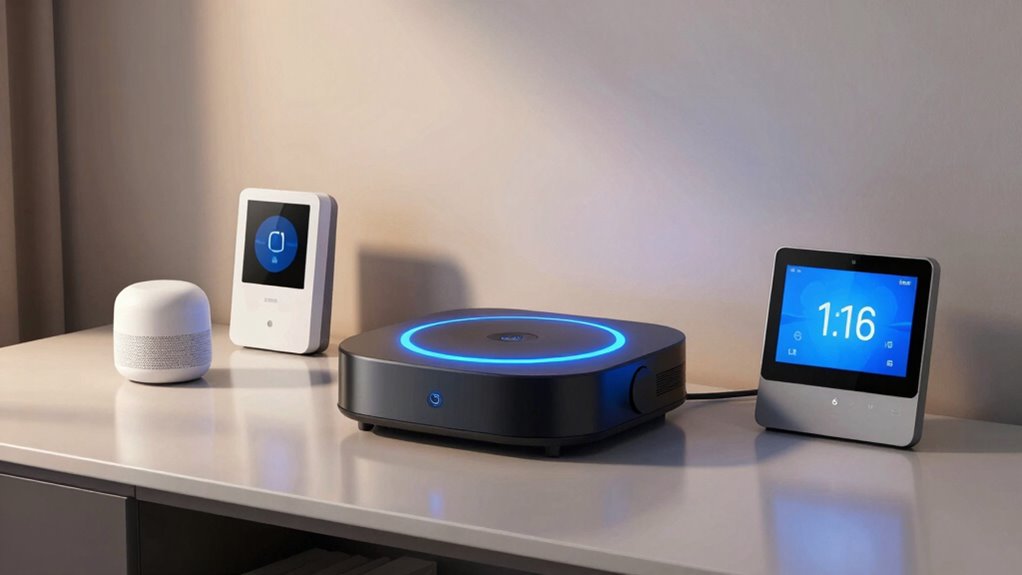

Choosing the right smart home hub in 2026 means balancing security, compatibility, and ease of automation. For those prioritizing local control to keep data private and response times fast, options like the Hubitat Elevation C-8 Pro shine. If broad device compatibility and flexibility matter most, the Aqara M3 and Aeotec Hub offer compelling features. For enthusiasts seeking advanced automation with a focus on security, the Home Assistant Green provides robust support. Each hub has distinct strengths and tradeoffs, making it vital to match your smart home goals with the right device.

Get privacy and security gear delivered free — and shop member deals
- Fast, free delivery on millions of items
- Access to Prime Big Deal Days deals on October 6–7
- Prime Video, Amazon Music and more included
Key Takeaways
- Local control capabilities are a key feature for security and privacy.
- Protocol support (Z-Wave, Zigbee, Matter) influences device compatibility and flexibility.
- Some hubs excel in automation complexity, while others emphasize ease of setup.
- Power options and placement flexibility impact installation and reliability.
- Tradeoffs often involve cloud reliance, device support limits, or regional compatibility.
| Hubitat Elevation C-8 Pro Smart Home Hub, Local Control and Automations |  | Best Overall for Privacy and Reliability | Protocols Supported: Matter 1.5, Z-Wave 800 LR, Zigbee 3.0, Bluetooth, Wi-Fi | Control Type: Local | Automation Features: AI suggestions, Rule Machine | VIEW ON AMAZON | See Our Full Breakdown |
| Aqara Smart Home Hub M3 with Matter, Zigbee, Thread, IR, Wi-Fi, PoE, and Apple HomeKit Support |  | Best for Protocol Versatility and Privacy | Protocols Supported: Zigbee, Thread, Matter | Device Capacity: 127 Zigbee and 127 Thread devices | Connectivity: Wi-Fi 2.4/5 GHz, PoE, USB-C | VIEW ON AMAZON | See Our Full Breakdown |
| Home Assistant Green Smart Home Hub with Advanced Automation |  | Best for Automation Power and Local Control | Processor: Quad-core | Storage: 32GB | RAM: 4GB | VIEW ON AMAZON | See Our Full Breakdown |
| Aeotec Smart Home Hub, Z-Wave, Zigbee, Matter Gateway, Compatible with Alexa and Google Assistant |  | Best for Compatibility and Voice Integration | Connectivity: Wi-Fi, Ethernet | Protocols: Z-Wave, Zigbee, Matter | Compatibility: Alexa, Google Assistant | VIEW ON AMAZON | See Our Full Breakdown |
| Aqara Smart Hub M100 for Home Automation, Matter Controller, Wi-Fi & Thread Border Router |  | Best for Multi-Protocol Reliability and Flexibility | Protocols Supported: Zigbee, Thread, Wi-Fi 6 | Device Support: Up to 20 Zigbee and 20 Thread devices | Power: USB-A port (adapter not included) | VIEW ON AMAZON | See Our Full Breakdown |
| smart home hubs for secure automation | Protocols Supported | Connectivity |
|---|---|---|
| Hubitat Elevation C-8 Pro Smar | Matter 1.5, Z-Wave 800 LR, Zigbee 3.0, Bluetooth, Wi-Fi | — |
| Aqara Smart Home Hub M3 with M | Zigbee, Thread, Matter | Wi-Fi 2.4/5 GHz, PoE, USB-C |
| Home Assistant Green Smart Hom | — | USB expandability with Z-Wave, Zigbee, Thread |
| Aeotec Smart Home Hub | — | Wi-Fi, Ethernet |
| Aqara Smart Hub M100 for Home | Zigbee, Thread, Wi-Fi 6 | — |
More Details on Our Top Picks
Hubitat Elevation C-8 Pro Smart Home Hub, Local Control and Automations
The Hubitat Elevation C-8 Pro stands out for its entirely local control, supporting multiple protocols like Z-Wave, Zigbee, and Matter. This means automations run without relying on cloud servers, offering faster responses and enhanced privacy. Its AI-based routines and Rule Machine allow for complex custom automations, making it an excellent choice for tech-savvy users. Compared with cloud-dependent hubs, it provides peace of mind that your data stays private and automations are resilient to internet outages. However, its advanced features may require some technical knowledge to fully leverage, and it doesn’t specify a comprehensive device compatibility list, which could be limiting for some.
Pros:- Supports multiple smart protocols for broad device compatibility
- Local control ensures speed, privacy, and reliability
- AI-based suggestions and automation building
Cons:- Requires some technical skills for advanced setup
- No explicit device compatibility list provided
Best for: Tech-savvy users seeking privacy and local control
Not ideal for: Beginners or those wanting plug-and-play setup without much configuration
- Protocols Supported:Matter 1.5, Z-Wave 800 LR, Zigbee 3.0, Bluetooth, Wi-Fi
- Control Type:Local
- Automation Features:AI suggestions, Rule Machine
- Updates:Free ongoing software updates
- Subscription:None required
- Device Compatibility:Broad, but unspecified
Our verdict“This hub is ideal for users who prioritize privacy and reliable local automation, accepting a steeper setup curve.”
Aqara Smart Home Hub M3 with Matter, Zigbee, Thread, IR, Wi-Fi, PoE, and Apple HomeKit Support
The Aqara M3 offers broad protocol support including Zigbee, Thread, and Matter, making it highly versatile for different device ecosystems. Its dual-band Wi-Fi and PoE support facilitate flexible placement, while encrypted local storage enhances privacy. The built-in IR blaster adds a layer of convenience for controlling non-smart devices. Compared to hubs that rely heavily on cloud services, the M3 emphasizes local control and encrypted storage, but it still depends on cloud connectivity for some automations. Its placement range is somewhat limited, requiring proximity to the router for optimal performance, and the PoE power adapter isn’t included, adding extra cost.
Pros:- Supports Zigbee, Thread, and Matter for broad device integration
- Encrypted local storage enhances privacy
- Flexible placement options with PoE and Wi-Fi
Cons:- Placement distance from router impacts performance
- PoE power adapter not included
- Some automations require internet connectivity
Best for: Users seeking multi-protocol compatibility with privacy focus
Not ideal for: Those with limited space near their router or who prefer plug-and-play simplicity
- Protocols Supported:Zigbee, Thread, Matter
- Device Capacity:127 Zigbee and 127 Thread devices
- Connectivity:Wi-Fi 2.4/5 GHz, PoE, USB-C
- Storage:8GB encrypted local storage
- IR Blaster:360° IR with feedback and learning
- Compatibility:Apple HomeKit, Alexa, SmartThings, Home Assistant
Our verdict“Excellent for users who want a versatile, privacy-focused hub supporting multiple protocols with flexible installation options.”
Home Assistant Green Smart Home Hub with Advanced Automation
The Home Assistant Green is designed for automation enthusiasts who want a dedicated, official device. Its quad-core processor and 32GB storage support complex automations while keeping data local and secure. Setup is straightforward with pre-installed software, and it supports Z-Wave, Zigbee, and Thread via USB, making it expandable for future needs. This pick excels in automation complexity and power efficiency but has limited onboard storage for large scripts or extensive data. Ethernet is recommended for initial setup, which might be inconvenient for some users, and additional USB devices may be necessary for full protocol support.
Pros:- Official Home Assistant hardware supported by Nabu Casa
- Easy setup with pre-installed software
- Supports multiple protocols and expandability
Cons:- Limited onboard storage for large automations
- Requires Ethernet for initial setup
- Potential need for extra USB devices
Best for: Enthusiasts seeking powerful, local automation with ease of use
Not ideal for: Casual users or those requiring extensive onboard storage or Wi-Fi connectivity
- Processor:Quad-core
- Storage:32GB
- RAM:4GB
- Power Consumption:Few watts
- Connectivity:USB expandability with Z-Wave, Zigbee, Thread
Our verdict“Ideal for automation hobbyists who want a powerful, secure hub that’s simple to set up and supports extensive customizations.”
Aeotec Smart Home Hub, Z-Wave, Zigbee, Matter Gateway, Compatible with Alexa and Google Assistant
The Aeotec Smart Home Hub offers broad protocol support, including Z-Wave, Zigbee, and Matter, making it suitable for a variety of device ecosystems. Its setup via Wi-Fi or Ethernet is straightforward, and automations run locally for faster responses. Designed primarily for North America, regional support could be limited elsewhere, and a compatible smartphone or tablet is needed for setup and management. This hub strikes a balance between compatibility and ease of use, but users should be aware of regional restrictions and the need for additional devices for advanced automations.
Pros:- Supports multiple protocols including Z-Wave, Zigbee, and Matter
- Easy setup via app with Wi-Fi or Ethernet
- Automations run locally for faster response
Cons:- Primarily designed for North American regions
- Requires a smartphone or tablet for setup
- Limited regional support
Best for: Users seeking broad device compatibility and voice assistant integration
Not ideal for: International users outside North America or those wanting purely local control without cloud dependencies
- Connectivity:Wi-Fi, Ethernet
- Protocols:Z-Wave, Zigbee, Matter
- Compatibility:Alexa, Google Assistant
- Supported Regions:North America
Our verdict“A versatile, easy-to-setup hub that offers broad protocol support and fast local automations, best suited for North American households.”
Aqara Smart Hub M100 for Home Automation, Matter Controller, Wi-Fi & Thread Border Router
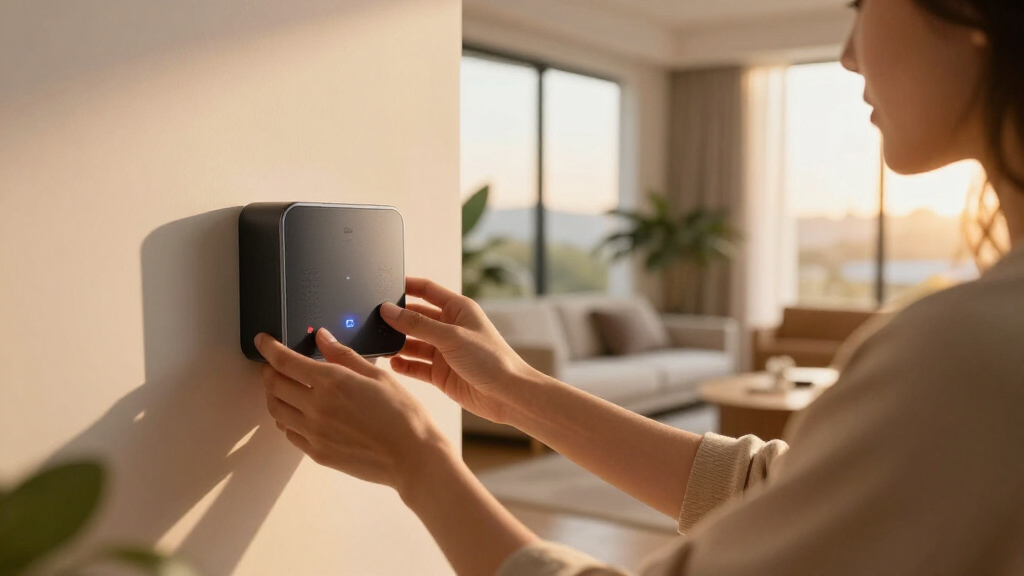
The Aqara M100 functions as a Matter border router, supporting Zigbee, Thread, and Wi-Fi 6, which provides a highly reliable connection foundation. It enables local automation and supports multiple device types, making it suitable for expanding smart home setups. Its flexible power options and adjustable placement within 210 degrees add convenience. Still, it requires a 5V⎓0.5A power adapter (not included), and some automations depend on cloud services, which could impact response times during outages. Its placement distance from the router should be between 6 to 19 feet for optimal performance.
Pros:- Supports Zigbee, Thread, Wi-Fi 6 for dependable connectivity
- Enables local automations for quick responses
- Adjustable, flexible placement
Cons:- Requires additional power supply not included
- Placement distance impacts performance
- Some automations depend on cloud services
Best for: Users needing a multi-protocol, wired, and wireless reliable hub with flexible installation
Not ideal for: Those who prefer plug-and-play or lack space near their router
- Protocols Supported:Zigbee, Thread, Wi-Fi 6
- Device Support:Up to 20 Zigbee and 20 Thread devices
- Power:USB-A port (adapter not included)
- Security:WPA3
- Size:Adjustable shaft within 210 degrees
Our verdict“A flexible, multi-protocol hub perfect for users who value network reliability and local automation with adaptable placement options.”
How We Picked
Our selection process focused on hubs that prioritize secure, local automation with broad protocol support. We evaluated user reviews, protocol compatibility, ease of setup, and ongoing software updates. Devices supporting multiple protocols like Z-Wave, Zigbee, and Matter were favored for flexibility. We also considered privacy features like local storage, and real-world tradeoffs such as regional restrictions and additional hardware requirements. Our goal was to identify options suitable for various levels of automation sophistication and security needs.
| smart home hubs for secure automation | Protocols Supported | Connectivity |
|---|---|---|
| Hubitat Elevation C-8 Pro Smar | Matter 1.5, Z-Wave 800 LR, Zigbee 3.0, Bluetooth, Wi-Fi | — |
| Aqara Smart Home Hub M3 with M | Zigbee, Thread, Matter | Wi-Fi 2.4/5 GHz, PoE, USB-C |
| Home Assistant Green Smart Hom | — | USB expandability with Z-Wave, Zigbee, Thread |
| Aeotec Smart Home Hub | — | Wi-Fi, Ethernet |
| Aqara Smart Hub M100 for Home | Zigbee, Thread, Wi-Fi 6 | — |
Factors to Consider When Choosing Smart Home Hubs For Secure Automation
When selecting a smart home hub for secure automation, consider how important local control, protocol support, and privacy are in your setup. Think about your device ecosystem, installation preferences, and whether you prefer a plug-and-play approach or advanced automation capabilities. The right hub should seamlessly integrate your devices while keeping your data secure, minimizing reliance on cloud services, and providing reliable responses.Prioritize Protocol Support
Choosing a hub that supports Z-Wave, Zigbee, and Matter ensures your devices can communicate regardless of manufacturer. Protocol versatility reduces compatibility issues and future-proofs your setup, but it might come with added complexity in configuration.
Local Control and Privacy
Opt for hubs emphasizing local processing—these avoid cloud dependencies, protecting your data and offering faster automations. However, some features like remote access or complex automations might still require cloud connectivity.
Ease of Setup vs. Advanced Features
Beginners should look for hubs with straightforward setup and pre-installed software, while power users may prefer devices that support custom automations and integrations. Consider your comfort with technology when making a choice.
Power Options and Placement Flexibility
Depending on your home layout, hubs with PoE, USB, or Wi-Fi options allow flexible installation. Placement distance from routers can impact performance, so check specifications to match your environment.
Frequently Asked Questions
Why is local control important in a smart home hub?
Local control ensures automations run directly within your home network, reducing latency and eliminating dependency on cloud servers. This enhances privacy and makes automations more reliable during internet outages.
What protocols should I look for in a secure smart home hub?
Look for hubs supporting Z-Wave, Zigbee, and Matter. These protocols are widely adopted, offering broad device compatibility and secure, encrypted communication, which is crucial for privacy and reliable automation.
Are cloud-dependent hubs less secure?
Cloud-dependent hubs can pose privacy concerns since data is transmitted externally, and cloud outages can disrupt automations. A hub with local control minimizes these risks, providing a more secure and resilient setup.
Can I use multiple protocols with one hub?
Yes, many modern hubs support multiple protocols such as Z-Wave, Zigbee, and Thread, allowing you to connect various device ecosystems. This flexibility simplifies managing your smart home and enhances security by keeping devices on local networks.
What are the main tradeoffs when choosing a smart home hub?
Tradeoffs include complexity versus simplicity, protocol support versus ease of setup, and local control versus cloud features. Consider your technical comfort level and what features matter most—privacy, compatibility, or automation power—to pick the best fit.
Conclusion
If you prioritize privacy, local control, and reliability, the Hubitat Elevation C-8 Pro is an excellent choice, especially for tech-savvy users comfortable with some setup. For those wanting broad protocol support and flexible placement, the Aqara M3 or Aqara M100 offer versatile, privacy-conscious options. The Home Assistant Green suits automation enthusiasts seeking customization and powerful automation capabilities. Meanwhile, the Aeotec Hub balances user-friendliness with extensive device compatibility, ideal for users who want quick setup with broad ecosystem support.
Halloween Picks
halloween
As an affiliate, we earn on qualifying purchases.