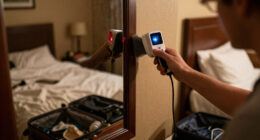
Spy survival books come in two very different flavors: practical tradecraft guides written by former intelligence officers, and spy fiction where survival is the theme rather than the lesson. My best overall pick is Survive Like a Spy, because it distills real CIA field techniques into tactics a civilian can actually apply. MI6 Spy Skills for Civilians stands out for its approachable, beginner-friendly coverage of everyday situational awareness, while Spy Secrets That Can Save Your Life is the strongest choice if your priority is family safety rather than lone-operator skills. The main tradeoff in this category is depth versus readability — serious manuals demand patience, while lighter handbooks and historical fiction deliver engagement but fewer actionable skills. Keep reading for the full breakdown of which book fits which reader.

Get privacy and security gear delivered free with Prime
- Fast, free delivery on millions of items
- Prime Video, Amazon Music and more included
- Member-only deals all year
Key Takeaways
- Books written by former CIA and MI6 officers dominated the top of the ranking because their techniques are field-tested, not theoretical — fiction titles could not compete on practical value.
- Family protection is a different goal than personal survival: Spy Secrets That Can Save Your Life ranks below Survive Like a Spy only because it narrows its scope to home and family scenarios.
- The Spy Survival Handbook earns the value slot by covering core skills cheaply and quickly, but its breadth comes at the cost of the depth found in the longer operative-written guides.
- Both fiction picks — A Queen’s Spy and Charlotte Spies for Justice — serve completely different audiences: adult thriller readers versus middle-grade readers, and neither should be bought expecting instruction.
- Beginners should start with MI6 Spy Skills for Civilians before tackling Survive Like a Spy, because the latter assumes more comfort with serious, consequence-heavy security thinking.
| A Queen’s Spy: A Tudor Spy Thriller of Faith, Treason and Survival (Richard Fitzwarren Tudor Historical Book 1) |  | Best for Historical Spy Fiction | Series: Richard Fitzwarren Tudor Historical | Book number: 1 | Genre: Historical fiction, thriller | VIEW ON AMAZON | See Our Full Breakdown |
| Charlotte Spies for Justice: A Civil War Survival Story (Girls Survive) |  | Best for Younger Historical Fiction Readers | Series: Girls Survive | Genre: Historical fiction | Setting: Civil War era | VIEW ON AMAZON | See Our Full Breakdown |
| MI6 Spy Skills for Civilians: A Former British Agent Reveals How to Live Like a Spy |  | Best for Everyday Situational Awareness | Author description: Former British agent | ISBN: 1948174405 | Format: Book | VIEW ON AMAZON | See Our Full Breakdown |
| Spy Survival Handbook |  | Best Compact Handbook-Style Pick | Format: Handbook | Subject: Spy survival techniques | Focus: Safety and remaining undetected | VIEW ON AMAZON | See Our Full Breakdown |
| Survive Like a Spy: Real CIA Operatives Reveal How They Stay Safe in a Dangerous World and How You Can Too |  | Best for Professional Safety Tactics | Intelligence background: Real CIA operatives | Subject: Spy survival and safety strategies | Focus: Staying safe in dangerous environments | VIEW ON AMAZON | See Our Full Breakdown |
| Spy Secrets That Can Save Your Life: A Former CIA Officer Reveals Safety and Survival Techniques to Keep You and Your Family Protected |  | Best for Family-Focused Security | ASIN: 0399175679 | Author: Jason Hanson | Format: Hardcover | VIEW ON AMAZON | See Our Full Breakdown |
| spy survival book | Format | Genre | Subject | Focus |
|---|---|---|---|---|
| A Queen’s Spy: A Tudor Spy Thr | — | Historical fiction, thriller | — | — |
| Charlotte Spies for Justice: A | Book | Historical fiction | — | — |
| MI6 Spy Skills for Civilians: | Book | — | MI6 tradecraft for civilians | Situational awareness and security |
| Spy Survival Handbook | Handbook | Spy survival guide | Spy survival techniques | Safety and remaining undetected |
| Survive Like a Spy: Real CIA O | — | — | Spy survival and safety strategies | Staying safe in dangerous environments |
| Spy Secrets That Can Save Your | Hardcover | — | — | — |
More Details on Our Top Picks
A Queen’s Spy: A Tudor Spy Thriller of Faith, Treason and Survival (Richard Fitzwarren Tudor Historical Book 1)
Tudor intrigue and personal survival drive this novel, which follows Richard Fitzwarren as a spy for Queen Elizabeth I amid conflicts over faith and treason. It earns a place in a spy survival roundup through its focus on surviving a hostile political world, though its approach is historical storytelling rather than practical instruction. Compared with MI6 Spy Skills for Civilians, it offers a period setting and plot in place of modern techniques readers can apply. Its first-book status gives readers a series entry point, but may leave them looking for a longer character arc beyond this volume. The supplied details give little basis to judge pacing or character depth, so readers choosing mainly for those qualities have less to go on. I’d pick it for Tudor-era espionage fiction, not a how-to guide.
Pros:- Sets its spy story amid the political and religious dangers of Tudor England
- Connects espionage with themes of faith, treason, and survival
- Begins the Richard Fitzwarren Tudor Historical series
Cons:- Offers historical fiction rather than actionable survival techniques
- Available details do not establish the depth of its pacing or characterization
Best for: Readers who want a Tudor-era spy thriller centered on political danger, faith, and survival
Not ideal for: Readers seeking step-by-step civilian safety advice or detailed information about pacing and character development
- Series:Richard Fitzwarren Tudor Historical
- Book number:1
- Genre:Historical fiction, thriller
- Setting:Tudor England
- Central character:Richard Fitzwarren
- Spy affiliation:Spy for Queen Elizabeth I
Our verdict“Choose this for Tudor espionage fiction and period peril; choose MI6 Spy Skills for Civilians for practical modern tradecraft.”
Charlotte Spies for Justice: A Civil War Survival Story (Girls Survive)
Survival through a young protagonist’s eyes gives this Civil War story a different audience from adult spy titles. Charlotte faces dangers in a turbulent period, with courage and resilience foregrounded; the available description does not specify particular spycraft or survival lessons. That makes it a better fit for younger readers exploring historical fiction than for someone wanting the civilian techniques in MI6 Spy Skills for Civilians. The Girls Survive series framing signals its youth focus, which helps narrow the choice but also limits its likely appeal for readers after adult-level espionage. The source details provide little about the plot beyond its era and broad themes, so I can’t distinguish its specific treatment of spying from other Civil War stories. Pick it for an age-focused historical survival narrative, not a practical spy manual.
Pros:- Centers a young girl navigating Civil War-era danger
- Puts courage and resilience at the heart of the premise
- Part of the Girls Survive historical fiction series
Cons:- Youth-focused framing may not suit adults seeking mature espionage fiction
- Provided details do not identify specific spycraft or practical survival guidance
Best for: Middle-grade readers interested in a girl-led Civil War survival story and historical fiction
Not ideal for: Adult readers seeking operational spy techniques, detailed survival instruction, or a richly specified plot
- Series:Girls Survive
- Genre:Historical fiction
- Setting:Civil War era
- Main character:Charlotte
- Story focus:Survival and resilience
- Format:Book
Our verdict“Choose Charlotte Spies for Justice for a younger reader’s historical survival story, while MI6 Spy Skills for Civilians better suits practical tradecraft seekers.”
MI6 Spy Skills for Civilians: A Former British Agent Reveals How to Live Like a Spy
Everyday civilian application is this guide’s defining strength: it presents advice from a former British intelligence agent on observation, security, and readiness for unexpected situations. That makes it a more direct how-to choice than A Queen’s Spy, whose survival stakes belong to historical fiction. The book’s practical framing also separates it from Survive Like a Spy, which draws on CIA operatives and is described as focused on dangerous environments. MI6 Spy Skills may suit readers who want to build awareness into ordinary routines, though some advice may feel overly cautious and not every technique will fit every daily situation. The supplied details don’t list individual exercises or methods, so buyers should expect a broad tradecraft perspective rather than a guaranteed fit for a particular scenario.
Pros:- Written by a former British intelligence agent
- Connects spy tradecraft with everyday situational awareness
- Focuses on security and preparation for unexpected situations
Cons:- A cautious approach may feel excessive to readers seeking a lighter guide
- Some techniques may not transfer to every reader’s daily circumstances
Best for: Civilians who want an intelligence-informed guide to observation, personal security, and readiness in daily life
Not ideal for: Readers who dislike precaution-focused advice or need techniques tailored to a specific location or threat
- Author description:Former British agent
- ISBN:1948174405
- Format:Book
- Subject:MI6 tradecraft for civilians
- Focus:Situational awareness and security
- Intended application:Everyday life and unexpected situations
Our verdict“Choose this for civilian-focused MI6 tradecraft and everyday awareness; choose Survive Like a Spy for advice framed around CIA operatives and dangerous environments.”
Spy Survival Handbook
Handbook format and direct survival focus give this title a clear place among the roundup’s practical options. Its description points to staying safe and undetected across different scenarios, while MI6 Spy Skills for Civilians is more specifically framed around applying former-agent tradecraft to everyday life. That distinction may appeal to readers who want a general spy survival reference, but the available product information does not say which scenarios, techniques, or level of detail the handbook covers. I would rank it below the more clearly described civilian guides for buyers who need to know what they will learn before choosing. The subject is a natural fit for spy enthusiasts, yet the lack of content detail makes it harder to judge whether it provides substantial instruction or a broad introduction.
Pros:- Explicitly focuses on spy survival techniques and tradecraft
- Covers the broad aims of safety and remaining undetected
- Handbook framing suits readers looking for a reference-style book
Cons:- Available information does not identify specific techniques or scenario coverage
- The depth and practical scope are unclear from the supplied details
Best for: Spy enthusiasts seeking a handbook-style overview of staying safe and undetected
Not ideal for: Readers who need a clearly documented set of techniques or advice tailored to everyday civilian situations
- Format:Handbook
- Subject:Spy survival techniques
- Focus:Safety and remaining undetected
- Coverage:Various scenarios
- ISBN:0439561256
- Genre:Spy survival guide
Our verdict“Choose this if the handbook format and broad spy survival subject appeal; MI6 Spy Skills for Civilians has a more clearly described everyday focus.”
Survive Like a Spy: Real CIA Operatives Reveal How They Stay Safe in a Dangerous World and How You Can Too
Advice attributed to real CIA operatives sets this book apart for readers curious about safety strategies shaped by dangerous environments. Its promise is more explicitly tied to applying professional methods than the broad, unspecified guidance described for Spy Survival Handbook. It also differs from MI6 Spy Skills for Civilians: that guide centers a former British agent’s everyday tradecraft, while this title emphasizes CIA operatives’ safety practices and survival strategies. The professional framing may be compelling for readers looking for actionable ideas, though the supplied description warns that some tactics may be too advanced for casual readers and may not transfer across geographic regions. The description does not name individual methods, so buyers should not assume every technique will map neatly to their own circumstances.
Pros:- Draws on methods attributed to real CIA operatives
- Focuses on safety and survival strategies
- Aims to connect professional practices with civilian life
Cons:- Some material may be too advanced for casual readers
- Tactics may not apply equally across geographic regions
Best for: Readers interested in safety strategies from CIA operatives who are willing to adapt advice to their own setting
Not ideal for: Casual readers wanting a simple introduction or buyers needing tactics tailored to their specific region
- Intelligence background:Real CIA operatives
- Subject:Spy survival and safety strategies
- Focus:Staying safe in dangerous environments
- Intended application:Civilian life
- Audience:Readers interested in professional safety methods
- ASIN:B074F22S2H
Our verdict“Choose this for CIA-linked safety strategies and professional framing; MI6 Spy Skills for Civilians is the more direct pick for everyday awareness.”
Spy Secrets That Can Save Your Life: A Former CIA Officer Reveals Safety and Survival Techniques to Keep You and Your Family Protected
Where most entries in this lineup angle toward either fiction, like A Queen’s Spy, or solo-operator tradecraft, this option stands out for framing personal security around the people who matter most: your family. Jason Hanson, a former CIA officer, translates covert-world habits into everyday precautions, and that household lens is what separates it from Survive Like a Spy, which leans more toward individual situational awareness in dangerous environments.
The hardcover format makes it a durable reference for a home library, though readers wanting the broader tradecraft curriculum of MI6 Spy Skills for Civilians may find this narrower in scope. Compared with the Spy Survival Handbook, it trades breadth of survival scenarios for depth on personal protection. The family-oriented techniques are the draw here, not wilderness bushcraft or espionage history.
Pros:- Authored by a former CIA officer with genuine operational background
- Techniques are translated for everyday civilian life rather than field operatives
- Family protection is a central theme, making advice actionable for households
- Hardcover build suits it as a long-term home reference
Cons:- Narrower in scope than broader spy-skills or general survival handbooks
- Less depth on tradecraft than dedicated espionage-skills titles
- Focused on urban and personal security, so bushcraft and wilderness readers will come up short
Best for: Parents and caregivers who want practical, everyday safety habits that protect the whole household, not just themselves
Not ideal for: Readers seeking fiction or wide-ranging wilderness survival content — this stays tightly focused on personal and family security
- ASIN:0399175679
- Author:Jason Hanson
- Format:Hardcover
- Author Background:Former CIA officer
- Primary Focus:Personal and family safety techniques
- Category:Spy survival / personal security nonfiction
- Intended Audience:Civilians protecting household members
Our verdict“This pick makes the most sense for families who want CIA-derived safety habits applied to daily life rather than spy lore or wilderness survival.”

How We Picked
I evaluated each book through one lens: how well it delivers on the spy survival promise. For nonfiction guides, that meant weighing the author’s actual intelligence background, whether the techniques translate to civilian life, and how realistically the book addresses modern threats like surveillance, travel danger, and home security. For fiction titles, I judged narrative quality, historical grounding, and whether survival themes are woven into the story rather than used as a marketing label.
Ranking followed practical value first. Operative-authored manuals placed highest because readers searching for spy survival books overwhelmingly want usable skills, and those books deliver verifiable tradecraft. I then ordered the remaining titles by accessibility and audience fit — a beginner-friendly guide outranked denser material, and the two fiction picks landed lower purely because they inform and entertain rather than instruct. Every pick still had to earn its slot: weak writing, dated advice, or vague sourcing would have disqualified a book regardless of its genre.
| spy survival book | Genre | Format | Subject | Focus |
|---|---|---|---|---|
| A Queen’s Spy: A Tudor Spy Thr | Historical fiction, thriller | — | — | — |
| Charlotte Spies for Justice: A | Historical fiction | Book | — | — |
| MI6 Spy Skills for Civilians: | — | Book | MI6 tradecraft for civilians | Situational awareness and security |
| Spy Survival Handbook | Spy survival guide | Handbook | Spy survival techniques | Safety and remaining undetected |
| Survive Like a Spy: Real CIA O | — | — | Spy survival and safety strategies | Staying safe in dangerous environments |
| Spy Secrets That Can Save Your | — | Hardcover | — | — |
Factors to Consider When Choosing Spy Survival Books
Choosing a spy survival book starts with one honest question: do you want to learn skills or read a story? The answer changes everything about which book deserves your money and your time.Instructional Manual or Spy Fiction?
This is the single biggest decision, and buyers get it wrong constantly. Search results for spy survival books mix tradecraft manuals with historical thrillers, and they are not interchangeable products. A former operative’s manual teaches situational awareness, surveillance detection, and escape planning — skills you practice and retain. Fiction like a Tudor spy thriller delivers tension and historical atmosphere, which is worthwhile but will not help you in an emergency. A common mistake is gifting a fiction title to someone who asked for survival skills, or buying a dense manual for a young reader who wanted an adventure story. Decide the purpose before the purchase, because no book in this category does both jobs well.
Author Credentials and Sourcing
Within the nonfiction half of this category, author background separates real instruction from recycled internet advice. Books by former CIA and MI6 officers draw on field experience, which means their threat assessments reflect how danger actually unfolds rather than how movies portray it. Writers without an intelligence background can still produce useful handbooks, but their content tends to aggregate other sources, and errors compound when nobody in the pipeline has lived the material. Check the author bio before buying: verifiable agency service, training roles, or security consulting work all signal trustworthy content. When a book cites its techniques to specific tradecraft traditions rather than vague claims, that is a strong sign of quality.
Civilian Applicability
Not everything an operative knows belongs in your life, and the best authors know where to draw the line. Some books drift into paramilitary fantasy — dead drops, aliases, and tactics that are irrelevant, and occasionally illegal, for a suburban reader. The guides worth buying focus on what civilians actually face: hotel security abroad, being followed in a parking structure, securing a home against intrusion, and building awareness habits. When comparing titles, read the table of contents and ask whether each chapter maps to a scenario in your life. A book that spends fifty pages on surveillance detection but two pages on everyday safety has its priorities misaligned with most readers.
Depth Versus Readability
There is a real tradeoff between a book you finish and a book you use. Shorter handbooks get read once and remembered vaguely; longer operative manuals demand focus but build durable, layered skills. Neither approach is wrong, but match the format to your habits. If you read in short sessions or want something to carry while traveling, a compact handbook beats a 400-page manual you will abandon by chapter three. If you are building a genuine personal security foundation, the longer books reward the commitment with context — why a technique works, when it fails, and how to adapt it — that quick guides simply cannot fit.
Audience Age and Sensitivity
Several books in this space are written specifically for younger readers, and the distinction matters both for value and appropriateness. Middle-grade historical fiction handles themes like war and espionage with age-appropriate framing, while adult manuals discuss violent scenarios, kidnapping, and threat responses that can overwhelm a child. A frequent buying error is assuming all spy books are kid-friendly because spies appear in children’s media. Conversely, adult readers sometimes pick up young-reader survival fiction expecting sophistication and finish disappointed. Check the intended audience in the product description, and when gifting, match the book to the reader’s age and maturity rather than their stated interest in spies.
Focus Area: Solo Skills or Family Protection
Practical spy survival books split into two missions: keeping yourself safe and keeping your household safe. Solo-focused guides assume a single mobile operator — travel security, evasive driving concepts, personal surveillance detection. Family-focused titles cover home hardening, emergency communication plans, and protecting children, which is a different skill set with different logistics. Buyers who skip this distinction often end up with half the coverage they need. If you travel frequently, lean solo; if your concern is a household emergency plan, the family-oriented books will serve you better, even if they feel less cinematic.
Frequently Asked Questions
Can a book really teach spy-level survival skills, or is that just marketing?
The honest answer is that books teach the thinking behind spy skills, not the full skill set. Awareness habits, threat assessment, route planning, and home security principles transfer well to paper because they are cognitive skills. Physical techniques like defensive driving or escape maneuvers require real practice and often professional instruction to be useful. Former operatives who write these books generally acknowledge this, framing their content as mindset and preparation rather than secret agent training. Approach any book promising to turn you into an operative with skepticism, but the awareness-and-planning material is genuinely valuable.
Should I buy Survive Like a Spy or Spy Secrets That Can Save Your Life?
Both come from former CIA officers, so the quality bar is high — the difference is scope. Survive Like a Spy takes a broader operational view, covering personal safety across travel, urban environments, and threatening situations, which suits readers who want a full self-protection framework. Spy Secrets That Can Save Your Life tilts toward home and family protection, making it the better pick if your household is your main concern. If you travel or move through cities alone often, choose the former. If your scenarios are home invasion, family emergency plans, and protecting kids, the latter maps directly to your needs. Readers who want both perspectives often end up with both books, since they overlap less than you might expect.
Is a fiction title like A Queen’s Spy worth buying if I want survival knowledge?
Only if you understand what you are getting. A Queen’s Spy delivers Tudor-era espionage fiction where survival means evading religious persecution and political enemies — historically rich, but the tactics are period-specific and often morally complicated in ways that do not translate to modern life. What fiction does well is build intuition about tradecraft: reading about surveillance, deception, and escape in narrative form helps you recognize patterns. If your goal is a practical skill set, buy a manual first. If you already have the nonfiction side covered and want to see the mindset dramatized, historical spy fiction is an enjoyable supplement rather than a teacher.
Which of these books is right for a teenager or younger reader?
Charlotte Spies for Justice is the clear pick for middle-grade and young teen readers, because it is written for that audience with age-appropriate handling of war, danger, and moral choices. The adult manuals in this lineup discuss kidnapping, violent crime, and lethal-force scenarios in ways that can distress younger readers rather than empower them. For a mature sixteen- or seventeen-year-old, a gentler introductory guide on situational awareness could work, but the operative-authored books assume an adult threat model. Parents gifting spy books should also know the fiction route tends to spark interest that leads naturally to the practical guides a few years later.
Do I need more than one spy survival book, or will one cover it?
One well-chosen book covers the essentials if it matches your situation — a solo traveler needs one strong personal-security guide, and a parent needs one family-focused title. Adding a second book makes sense when your needs span categories, such as a home-protection title plus a travel-security title, since no single book handles both deeply. Where duplicates waste money is buying two books with the same mission; the core awareness material overlaps heavily across the operative-authored guides. A reasonable path is to start with the one book matching your top concern, apply it for a few months, and only add another when you notice a gap in practice.
Conclusion
Matching the right spy survival book to the right reader comes down to purpose. For best overall, Survive Like a Spy earns the top spot with field-tested CIA techniques and the broadest coverage of real-world civilian threats. The best value pick is the Spy Survival Handbook, which delivers core skills at a low commitment level — ideal for curious readers who want a fast entry point. For beginners, MI6 Spy Skills for Civilians is the gentlest on-ramp, wrapping serious awareness habits in an accessible, engaging style. Spy Secrets That Can Save Your Life is my pick for the specific need of family protection, covering home security and household emergency planning better than any title here. Finally, for readers whose need is a story rather than a manual, A Queen’s Spy is the premium historical thriller choice for adults, while Charlotte Spies for Justice is the right call for younger readers. Buy for your actual goal — skills, family safety, or entertainment — and the right choice becomes obvious.