
This checklist is for people who want to make a home or small-office network more private, secure, and manageable. It covers network equipment and practical advice, with product picks where one was provided.

Get privacy and security gear delivered free with Prime
- Fast, free delivery on millions of items
- Prime Video, Amazon Music and more included
- Member-only deals all year
The sections follow distinct jobs: protecting the network edge, connecting wired devices, adding a computer network connection, and checking Wi-Fi or cabling. Advice-only sections have no product pick, so use them to guide your setup decisions. Match each item to its role before comparing options.
Use the checklist to identify what your network actually needs, then confirm compatibility with your existing equipment and environment. Check port types, connection standards, and management requirements before buying. Verify fit first so each addition works with the network you have.
Encrypted Wi-Fi Router
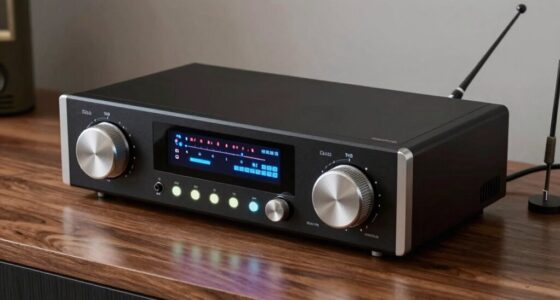
An encrypted Wi-Fi router is a central part of a privacy-minded network because it provides the wireless connection point for devices. This section is advice only; no product was supplied. Start by checking that the router supports the encryption standard your devices can use, and review how its settings are managed. Encryption support matters only when it can be enabled and used by the devices on your network.
A common mistake is choosing a router by coverage claims alone while overlooking compatibility with your internet service, existing modem, or mesh equipment. Confirm the connection type and ports you need, and consider where the router will sit relative to the devices that rely on Wi-Fi. Also check whether you can access the settings needed to set a strong network password and manage connected devices. Compatibility and placement shape whether the setup is practical.
Before buying, make a list of the devices that need wireless access and any wired connections that must remain available. Check the number and type of ports, supported Wi-Fi standards, and the steps for enabling encryption. Use the router’s documentation to confirm the settings match your devices. Plan around your actual devices rather than assuming every feature is necessary.
What to look for:
- Encryption standards supported by your devices
- Compatibility with your modem or internet connection
- Enough wired ports for planned connections
- Settings that let you manage network access
- Placement that suits the devices needing Wi-Fi
Hardware Firewall Appliance
A hardware firewall appliance can serve as a dedicated network security device for a small office. The listed pick is the Fortinet FortiGate-70G Firewall for Small Offices with 10 Gigabit Ethe. Consider this slot when you need a separate appliance at the network edge and have a clear plan for how it will connect to your router, internet service, and internal network. Know its place in the network before choosing the device.
A common buying mistake is assuming that a firewall appliance will be straightforward to install without checking the surrounding equipment and configuration needs. Confirm the ports and connection speeds required by your network, and make sure the device can connect to the existing router or service handoff as intended. Check what setup and ongoing management involve, including who will maintain its rules. Port compatibility and administration are key practical considerations.
Before buying, map the path from the internet connection through the firewall to the switch and client devices. Compare that plan with the appliance’s supported connections and documentation. For a small office, also consider whether the person responsible for the network can handle setup and changes. Match the appliance to your topology and the skills available to manage it.
What to look for:
- WAN and LAN port types that match your equipment
- Connection speeds suited to the network path
- Clear setup and management documentation
- A placement plan between internet and internal network
- An administrator who can maintain its configuration
Fortinet FortiGate-70G Firewall for Small Offices with 10 Gigabit Ethernet Ports

The Fortinet FortiGate FG-70G is a compact, enterprise-grade next-generation firewall designed for small offices, retail locations, and branch sites. It offers advanced security features including application control, IPS, web filtering, SSL inspection, and secure SD-WAN, all manageable via centralized platforms for simplified deployment and operation.
Pros:
- Provides enterprise-grade security suitable for small offices
- Supports secure SD-WAN for optimized cloud and SaaS performance
- Easy to deploy and manage centrally via FortiGate Cloud or FortiManager
- Includes comprehensive threat protection features
Cons:
- Requires familiarity with network security configurations
- Limited to wired connectivity, no wireless features included
- Higher cost may be a consideration for very small budgets
Best for: Small offices planning a dedicated firewall appliance
Not ideal for: Networks without a clear setup or management plan
Bottom line: Check the FortiGate-70G’s connections and management requirements against your office network before buying.
Ethernet Network Switch
A network switch connects wired devices within a local network, making it useful when a router does not have enough ports for the planned setup. The provided pick is the NETGEAR 26-Port PoE Gigabit Ethernet Smart Managed Network Switch (GS7. Before choosing it, count the wired devices and identify which ones need power over Ethernet. Port count and PoE needs should drive the fit check.
A frequent mistake is treating every switch port as interchangeable without checking whether connected devices need PoE or whether the switch’s management features fit the person maintaining the network. Map devices such as access points, cameras, or computers to the required ports, but verify their specific power and speed needs rather than assuming. Confirm the switch can connect to the router and any existing switches with the right cable and port type. Plan each connection before installation.
Also consider the physical location and available space, along with how the switch will be powered and managed. If you need configuration options, check the product documentation and make sure the expected administrator can use them. Account for future devices without buying based on a vague expansion plan. A simple port map helps avoid mismatches and makes later troubleshooting easier.
What to look for:
- Enough ports for current wired devices
- PoE support suited to devices that need power
- Gigabit connections compatible with connected equipment
- Management functions your administrator can use
- Uplink ports and cables compatible with the router
NETGEAR 26-Port PoE Gigabit Ethernet Smart Managed Network Switch (GS724TP)

The NETGEAR GS724TP is a smart managed network switch with 24 PoE+ Gigabit Ethernet ports, supporting high-speed connectivity and power over Ethernet for compatible devices. It includes 2 SFP ports for fiber optic connections and offers remote management via NETGEAR Insight, suitable for versatile installation in various environments.
Pros:
- High-speed gigabit Ethernet ports with PoE+ support
- Includes fiber optic SFP ports for network expansion
- Remote management capabilities via NETGEAR Insight
- Flexible mounting options for various setups
Cons:
- Requires compatible PoE devices to utilize PoE+ ports
- Management features may be complex for beginners
Best for: Setups adding multiple wired devices, including PoE equipment
Not ideal for: Networks needing only a few unmanaged connections
Bottom line: Count devices, confirm PoE requirements, and check uplink compatibility before selecting the NETGEAR switch.
USB Network Adapter
A USB network adapter can add an Ethernet connection to a computer that lacks a suitable built-in port or needs another wired interface. The listed pick is the StarTech USB 3.0 Dual Gigabit Ethernet Adapter with USB Port. Its dual Ethernet connections make port and software compatibility especially important to verify for the computer and intended use. Check the host computer first before buying.
A common mistake is assuming that any USB adapter will work with every operating system or that the computer can use both network connections as intended. Confirm USB 3.0 availability, supported operating systems, and whether drivers are required. Check that the network uses compatible Gigabit Ethernet connections and that you have the right cables. Host and driver compatibility can determine whether installation is smooth.
Think through why you need two Ethernet ports: for separate network connections, a specific workflow, or another purpose supported by your setup. Verify that the computer’s software can handle that use, and check the adapter’s documentation for setup instructions. Consider cable routing and whether the adapter will remain attached or travel with the computer. Choose for the intended connection, not just the port count.
What to look for:
- A USB 3.0 port on the host computer
- Operating-system and driver support
- Gigabit Ethernet compatibility with the network
- A clear use for both Ethernet ports
- Cables and available space for the connection
StarTech USB 3.0 Dual Gigabit Ethernet Adapter with USB Port

This compact USB 3.0 Ethernet adapter adds two Gigabit Ethernet ports and a USB 3.0 pass-through port to your laptop, enabling secure and versatile network connectivity. Compatible with multiple operating systems, it supports features like Wake-On-LAN, VLAN tagging, and auto-correction for seamless networking.
Pros:
- Adds two Gigabit Ethernet ports via a single USB 3.0 connection
- Plug and play with broad OS compatibility
- Portable and lightweight design for easy travel
- Includes utility tools for performance and security
Cons:
- Requires USB 3.0 port for optimal performance
- Limited to Ethernet and USB pass-through functionalities
- No mention of additional advanced networking features
Best for: Computers needing two wired Ethernet connections
Not ideal for: Devices without compatible USB or driver support
Bottom line: Verify USB, operating-system, and dual-connection compatibility before choosing the StarTech adapter.
Wi-Fi Signal Analyzer
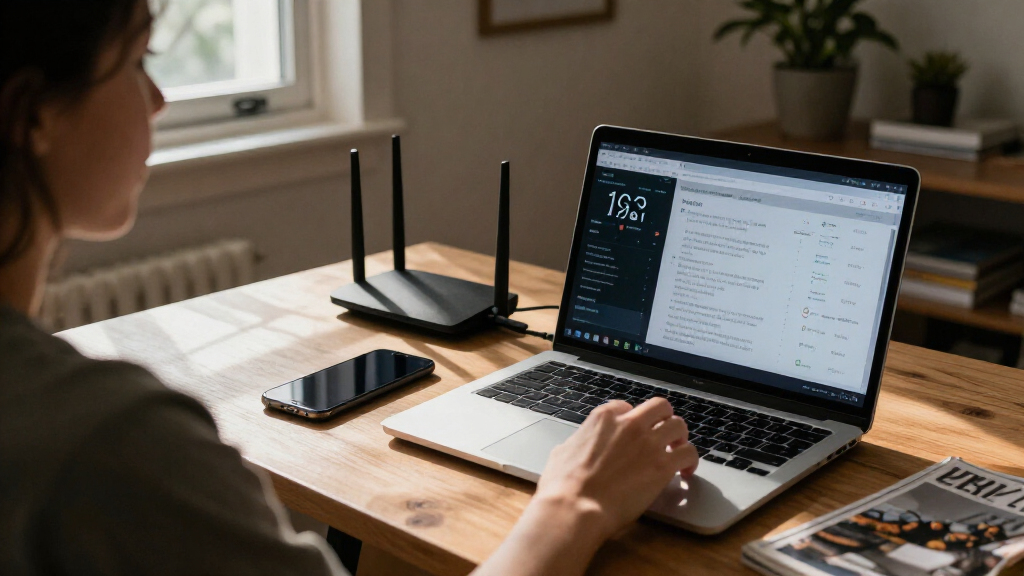
A Wi-Fi signal analyzer can help you understand wireless conditions when deciding where to place network equipment or investigating connection problems. This section is advice only; no product was provided. First decide what you want to learn, such as whether signal strength changes by room or whether nearby networks may affect placement. Start with a specific question so the tool’s information is useful.
A common mistake is expecting an analyzer to fix a weak connection by itself. It provides observations; placement, device settings, or network equipment may still need attention. Check which devices and operating systems the analyzer supports, and whether it presents information in a form you can interpret. If you plan to use it in several rooms, consider how easily you can collect consistent observations. Readable results and device support matter more than a long feature list.
Before choosing a tool, note where the router and client devices are located and when problems occur. Compare readings from relevant spots, using the same device and method where possible. If the goal is simply better coverage, also consider physical obstacles and router placement. Use measurements to guide decisions rather than treating one reading as a complete diagnosis.
What to look for:
- Support for the device you plan to use
- Signal information that is easy to interpret
- A way to compare readings across locations
- Coverage of the areas where problems occur
- Documentation that explains the displayed results
Ethernet Cable Tester
An Ethernet cable tester helps check wired connections when installing or troubleshooting network cabling. The provided pick is the Fluke Networks MicroScanner2 Copper Cable Verifier with IntelliTone To. Before choosing it, consider the cable types and connection issues you expect to encounter, and whether its documented functions suit the job. Match the tester to the cable work you actually do.
A common mistake is buying a tester without checking which cable types, connectors, and tests it supports. Confirm compatibility with the wiring in your network and review whether the tool can help identify the faults you need to find. Check the product documentation for any required accessories and the steps for using them. Supported cable and test types should be clear before purchase.
For a home or office setup, think about who will use the tester and how often. A tool with functions you cannot interpret may not help much during a repair. Review the display and operating instructions, and consider whether you need basic continuity checking or more detailed verification. Keep a record of cable labels and test results as you work. Clear results and a repeatable process make troubleshooting more practical.
What to look for:
- Compatibility with the cables and connectors in use
- Tests that cover the faults you need to diagnose
- Documentation for included functions and accessories
- Results the intended user can interpret
- A workflow for labeling and recording tested cables
Fluke Networks MicroScanner2 Copper Cable Verifier with IntelliTone Toning

The MicroScanner2 is a cable tester that displays cable length, wiremap, cable ID, and distance to faults on a single screen. It supports troubleshooting for RJ11, RJ45, coax, and tests 10/100/1000Base-T and VoIP networks.
Pros:
- Comprehensive cable testing features
- Displays multiple diagnostics on one screen
- Supports various cable types and network speeds
Cons:
- Limited to copper cable verification
- No mention of battery life or durability
- Requires some technical knowledge to interpret results
Best for: People installing or troubleshooting Ethernet cabling
Not ideal for: Users needing a tester for unsupported cable types
Bottom line: Check the MicroScanner2’s supported cables, tests, and accessories against your wiring tasks.
Buy in order of the network’s most immediate need: first confirm the router and internet connection, then address the security edge, and add a switch or USB adapter when wired connectivity calls for it. Use an analyzer or cable tester when you have a specific diagnostic task. Prioritize compatibility and purpose before adding more equipment.
You do not need to change every part of a network at once. Make a short device and connection list, check the relevant documentation, and handle one clear need at a time. With a little planning, each purchase can solve a defined problem and fit the network you already use.