Your LinkedIn recruitment efforts remain a counterintelligence concern because cybercriminals target the platform’s valuable data to exploit vulnerabilities and access sensitive information. Hackers may breach security, risking data leaks that can lead to identity theft, espionage, or targeted attacks. Misconfigured privacy settings and human errors increase these risks. Staying informed about these threats and how to protect sensitive info is essential—if you want to learn how to stay ahead, keep going.
Key Takeaways
- LinkedIn’s valuable professional data can be exploited for intelligence gathering by adversaries.
- Platform vulnerabilities may allow malicious actors to access sensitive recruitment information.
- Data sharing and privacy misconfigurations increase risks of espionage and targeted attacks.
- Internal human errors or lack of training can lead to unintentional disclosure of strategic information.
- Continuous cybersecurity monitoring is essential to prevent counterintelligence threats exploiting recruitment data.
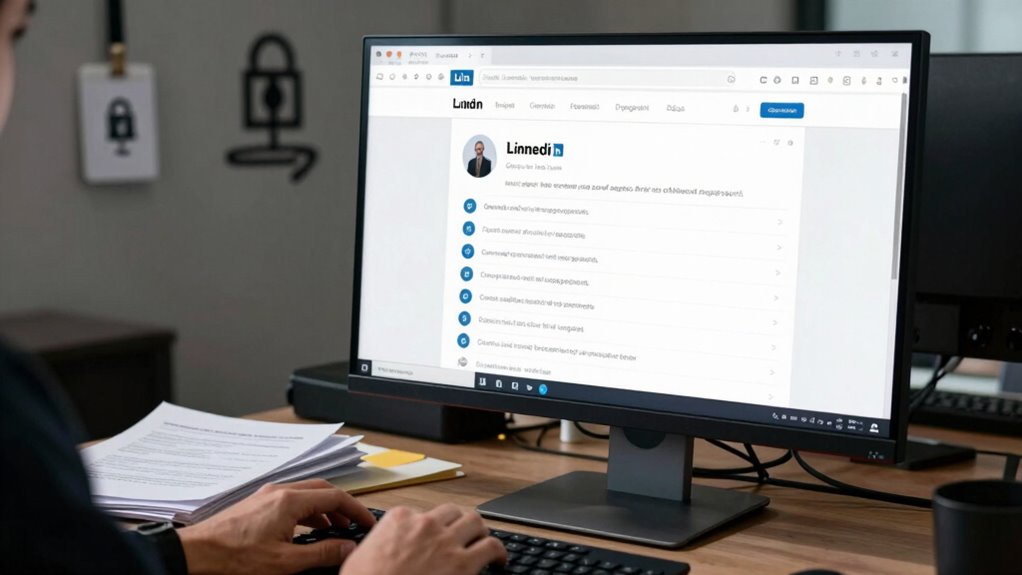
LinkedIn has become a go-to platform for recruiters seeking top talent, but its rising prominence also brings significant concerns. As you leverage LinkedIn to identify and connect with potential candidates, you’re exposing yourself to cybersecurity vulnerabilities that could compromise sensitive information. Hackers target these popular platforms because they often contain valuable data, making LinkedIn an attractive target for cybercriminals. Cybersecurity vulnerabilities on the platform can lead to data breaches, exposing personal details, professional histories, and even login credentials. If your organization isn’t vigilant, malicious actors could exploit these weaknesses, gaining access to confidential information that could be used for identity theft, corporate espionage, or other malicious activities.
In addition to cybersecurity concerns, data privacy risks are a major issue you need to consider. When you use LinkedIn for recruitment, you often share or access a wealth of personal data—resumes, contact information, employment history, and more. If this data is mishandled or if privacy settings are misconfigured, sensitive information could be exposed without your knowledge. This not only damages your organization’s reputation but could also violate data protection laws like GDPR or CCPA, leading to hefty fines and legal complications. Moreover, cybercriminals may scrape publicly available data from LinkedIn profiles to craft targeted phishing attacks. These attacks can trick you or your team into revealing further confidential information or installing malware, creating a domino effect of security breaches.
The risks extend beyond external threats. Internally, if your team isn’t trained on privacy best practices, accidental oversharing or improper handling of candidate information can occur. This increases the likelihood of data privacy violations, which can have serious legal and financial repercussions. You need to implement strict security protocols and educate your staff on safe data handling practices to mitigate these risks. Regular audits of your privacy settings and cybersecurity measures are essential to stay ahead of evolving threats. Additionally, understanding the cybersecurity vulnerabilities inherent in online platforms can help you develop more effective protection strategies. Recognizing the data privacy risks involved in online data sharing is crucial in preventing breaches and maintaining compliance.
In essence, while LinkedIn offers unmatched access to professionals worldwide, it also demands vigilance. You should recognize that every connection or data exchange could be a potential vulnerability. Protecting your organization’s digital assets means understanding the cybersecurity vulnerabilities and data privacy risks inherent in using such platforms. When you prioritize security and privacy, you’re not just safeguarding sensitive information—you’re also maintaining trust and integrity in your recruitment process. Being proactive about these concerns ensures that your talent acquisition efforts remain effective without exposing your organization to counterintelligence threats.
LinkedIn privacy protection tools
As an affiliate, we earn on qualifying purchases.
As an affiliate, we earn on qualifying purchases.
Frequently Asked Questions
How Do Foreign Agents Exploit Linkedin for Espionage?
Foreign agents exploit LinkedIn by using tactics like creating fake profiles and connecting with targets to gather intelligence. They identify vulnerabilities in your profile, such as job details or project info, to craft convincing messages. By exploiting these espionage vulnerabilities, they can subtly extract sensitive information or manipulate your perceptions. Staying cautious, verifying connections, and limiting sensitive data sharing are vital to protect yourself from these malicious tactics.
What Are Signs of Suspicious Linkedin Activity?
You might notice suspicious LinkedIn activity if a profile impersonates a trusted colleague or company executive, aiming for connection infiltration. For example, a foreign agent could create a fake profile mimicking a senior manager to gain access to sensitive information. Watch for inconsistent job histories, vague profiles, or unusual connection requests. These signs often indicate attempts at connection infiltration, which could compromise your organization’s security, so stay vigilant.
How Can Organizations Protect Employee Profiles From Misuse?
To protect employee profiles from misuse, you should prioritize employee privacy and profile security. Encourage staff to limit sensitive information on LinkedIn, such as detailed work projects or personal data. Implement strict access controls and educate employees on recognizing suspicious activity. Regularly review privacy settings and update them as needed. By fostering a culture of security awareness, you help prevent malicious actors from exploiting profiles and safeguard your organization’s integrity.
Are There Legal Consequences for Misuse of Linkedin Data?
If you misuse LinkedIn data, you could face serious legal consequences. For example, in a real case, a company was fined for violating data privacy laws by harvesting profiles without consent. You must prioritize legal compliance and respect data privacy to avoid fines, lawsuits, or damage to your reputation. Misusing LinkedIn data not only risks legal penalties but also undermines trust and integrity in your recruitment efforts.
How Frequently Should Companies Review Their Linkedin Security Protocols?
You should review your LinkedIn security protocols at least quarterly to guarantee your profile privacy settings and access controls stay up-to-date. Regular reviews help you identify any vulnerabilities, prevent unauthorized access, and maintain control over sensitive information. Staying proactive ensures your company’s data remains secure and aligned with evolving security standards. Make it a habit to reassess your LinkedIn security measures consistently to safeguard your professional network effectively.
Conclusion
While LinkedIn offers unparalleled access to talent, it also opens doors to espionage and insider threats. You might think you’re just browsing profiles, but adversaries see opportunities where you see connections. The platform’s transparency can become a double-edged sword, revealing more than intended. So, as you leverage LinkedIn’s power for recruitment, remember it’s a tool that can just as easily work against your security. Stay vigilant—your network’s safety depends on it.