
TL;DR

Get privacy and security gear delivered free — and shop member deals
- Fast, free delivery on millions of items
- Access to Prime Big Deal Days deals on October 6–7
- Prime Video, Amazon Music and more included
Waymo has issued a recall for nearly 4,000 autonomous vehicles after a robotaxi drove on a flooded road, highlighting challenges in handling extreme weather. The recall affects vehicles across its latest systems as it plans expansion into wetter climates.
Waymo is recalling 3,791 of its autonomous vehicles after one of its robotaxis drove on a flooded road, despite detecting the water, raising safety concerns as the company prepares to expand into wetter regions.
In documents filed with the National Highway Traffic Safety Administration (NHTSA), Waymo stated that a robotaxi operating with its fifth or sixth generation system encountered an untraversable flooded section of roadway with a 40 mph speed limit. The vehicle, which was unoccupied at the time, detected the flooding but continued at reduced speed. The company has announced a recall of affected vehicles while working on a remedy, including updates to weather-related constraints and map data.
Waymo’s fifth generation system, first deployed in March 2020 and used in its Jaguar I-Pace fleet, has been recalled five times previously for issues such as passing stopped school buses and crashing into stationary objects. Its sixth generation system, launched earlier this year for high-volume production and designed for multiple vehicle types, is now being recalled for the first time. The sixth generation system is intended for use in Zeekr RT minivans and Hyundai Ioniq 5s, with discussions ongoing with other automakers like Toyota.
Why It Matters
This incident underscores the challenges autonomous vehicle companies face in reliably navigating extreme weather conditions, especially as Waymo plans to expand into regions with more frequent flooding and adverse weather. The recall highlights the importance of robust weather detection and response capabilities in ensuring safety as driverless technology moves into broader markets.
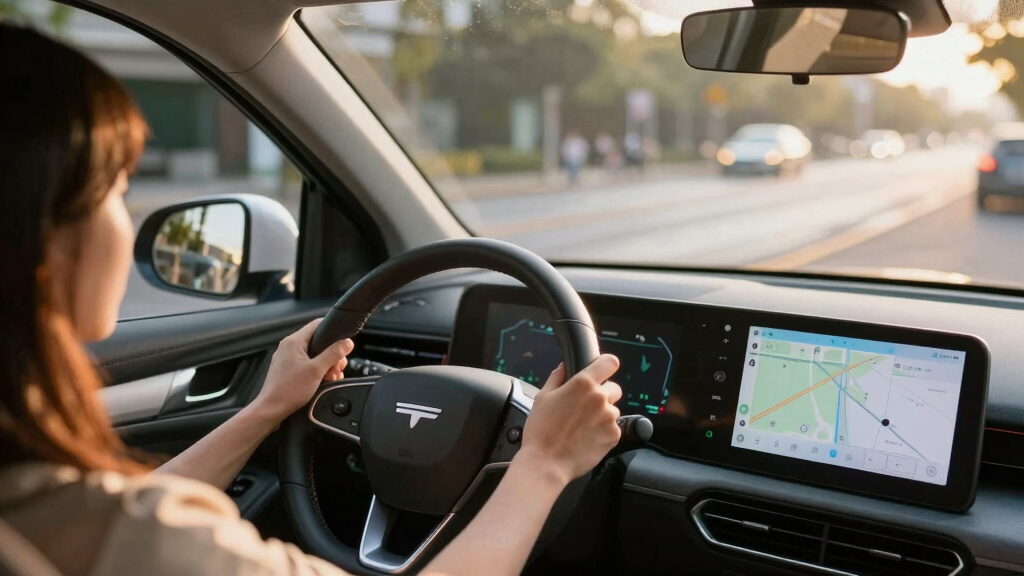
autonomous vehicle weather detection system
As an affiliate, we earn on qualifying purchases.
As an affiliate, we earn on qualifying purchases.
Background
Waymo has historically operated in warmer, drier climates such as Phoenix, Los Angeles, Atlanta, and Austin, where weather-related issues are less frequent. As it eyes expansion into East Coast cities like Boston, New York City, and Washington, D.C., the ability to handle more complex weather conditions becomes critical. The company’s fifth generation system has faced multiple recalls, but this is the first for its sixth generation, which aims for broader deployment across different vehicle platforms.
“We are actively working on a solution to address the issue and have implemented interim measures to improve weather-related constraints and map data.”
— Waymo spokesperson
“This recall illustrates the ongoing challenges of deploying autonomous vehicles in unpredictable weather conditions, especially as companies move into regions with more extreme weather patterns.”
— Transportation safety analyst
What Remains Unclear
It is not yet clear how widespread the issue might be beyond the affected vehicles, or whether future updates will fully mitigate the risk of driving in flooded conditions. Details about the specific cause of the vehicle’s decision to proceed despite detecting flooding remain undisclosed.
What’s Next
Waymo is expected to release a software update to enhance weather-related constraints and improve map accuracy. The company will likely conduct further testing to ensure safer operation in adverse weather before resuming full deployment in flood-prone areas.
Key Questions
What specific problem caused Waymo’s vehicle to continue driving on a flooded road?
It is currently unclear whether the vehicle’s sensors failed to fully interpret the flood or if the system’s decision-making algorithms allowed it to proceed despite detection of hazards. An investigation is ongoing.
Will this recall affect Waymo’s expansion plans?
Potentially. The incident emphasizes the need for more robust weather handling, which may delay deployment in wetter regions until updates are implemented and tested.
Are there safety risks for passengers or other road users?
According to Waymo, no injuries occurred during the incident. However, the situation raises concerns about the vehicle’s ability to handle extreme weather safely, prompting the recall and remedial measures.
When will affected vehicles be updated or replaced?
Waymo has not provided a specific timeline but indicated that software updates are in progress, with the goal of restoring safe operation as soon as possible.
Halloween Picks
halloween
As an affiliate, we earn on qualifying purchases.