
📊 Full opportunity report: The Memory Squeeze: Why Your RAM Bill Doubled on ThorstenMeyerAI.com — validation score, market gap, and execution plan.

Get privacy and security gear delivered free with Prime
- Fast, free delivery on millions of items
- Prime Video, Amazon Music and more included
- Member-only deals all year
TL;DR
DRAM prices have doubled or more in 2026, driven by a shift in manufacturing toward AI memory like HBM. This change is causing shortages and higher costs for consumers and PC builders.
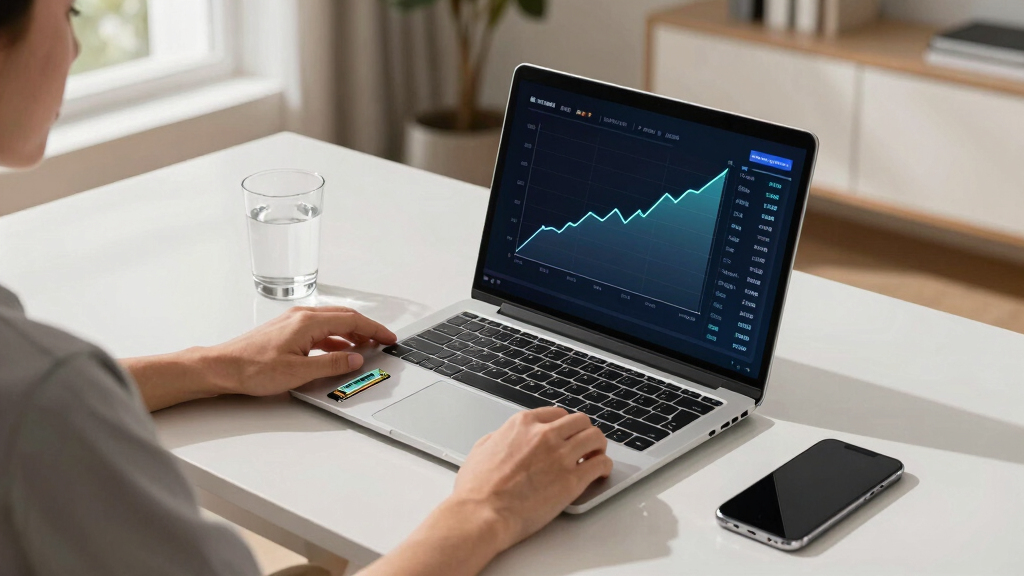
DRAM prices have roughly doubled to tripled in 2026, with consumer 32GB kits now costing around $375 and 64GB kits exceeding $600, according to recent market data. This sharp increase is driven by a fundamental shift in manufacturing priorities, not a temporary supply shortage, making it a significant development for PC builders and consumers.
The primary cause of the price surge is a reallocation of wafer production capacity from standard consumer DRAM to high-margin, AI-focused memory like High Bandwidth Memory (HBM). Three companies — Samsung, SK Hynix, and Micron — dominate the market, and they are increasingly prioritizing AI-related products. HBM modules now sell for $60 to $100, compared to $5 to $10 for DDR5, making the shift highly profitable for manufacturers.
This reallocation results in a physical inefficiency: HBM consumes roughly three to four times the wafer area of DDR5, meaning that each wafer dedicated to AI memory reduces the supply of consumer RAM by three or four times. As a result, HBM now accounts for about 23% of total DRAM wafer output, up from 19% last year, with AI expected to absorb about a fifth of all DRAM capacity in 2026.
Unlike past shortages that eased with increased capacity, this one persists because new fab expansions are years away, and current manufacturers are managing scarcity to maximize margins. Large buyers, including hyperscalers, are placing open-ended orders or locking in multi-year contracts, further constraining supply for general consumers. Micron, for example, has committed a fifth of its DRAM and a third of NAND capacity through 2030, with payments made upfront, limiting market flexibility.
Why your RAM bill doubled
“Doubled” is the polite version — consumer DRAM is running 3–6× its 2024 lows. The boom-bust cycle that always brought cheap RAM back isn’t coming this time, because the factories that make your RAM now make something far more profitable instead.
HBM
This is the quiet tax on the whole AI era. Relief isn’t forecast before 2028, and even then prices may settle 30–50% above pre-crisis levels. Buy what you genuinely need now; don’t panic-buy capacity you won’t use. You can’t out-wait the fab math — but, as this series will show, you can shrink what you need. Next: HBM Ate the Fab.
Why the Memory Price Surge Matters for Consumers and Industry
The dramatic rise in DRAM prices impacts a broad range of products, from personal computers to enterprise servers. Consumers face higher costs for upgrades and new builds, while PC manufacturers like Apple and Lenovo have already announced price hikes. The shortage also influences the availability of high-performance components and may lead to increased prevalence of counterfeit modules.
For the tech industry, this shift signifies a permanent change in supply dynamics driven by AI’s economic importance. The scarcity is not expected to resolve quickly, and prices may remain elevated until new capacity comes online in 2027–2028. The prioritization of AI memory over consumer RAM could reshape the market’s structure for years to come.
32GB DDR5 RAM kit
As an affiliate, we earn on qualifying purchases.
As an affiliate, we earn on qualifying purchases.
The 2026 Memory Market Shift: From Boom to Reallocation
Historically, DRAM shortages have been temporary, with prices falling after capacity expansions. However, in 2026, the market faces a fundamental reallocation of manufacturing capacity. Three dominant firms—Samsung, SK Hynix, and Micron—are shifting wafer output toward high-margin AI memory, particularly HBM, which is physically less efficient but far more profitable.
This reallocation is driven by the booming demand for AI infrastructure, with companies like Nvidia expanding AI accelerators that require HBM. Meanwhile, the buildout of new fabs capable of producing consumer DRAM is delayed until 2027–2028, and current capacity growth is well below historical levels. Large buyers have also contributed by placing long-term, high-volume orders, reducing the supply available for the broader market.
“Our focus is on serving enterprise AI customers with high-margin products, which has affected the availability and pricing of consumer memory.”
— Micron spokesperson
Unresolved Questions About Future Market Dynamics
It remains unclear whether the current high prices will persist until new capacity is built or if market forces will eventually shift back toward consumer RAM. The extent of collusion or coordinated restraint among the dominant firms cannot be definitively confirmed, though market concentration and past antitrust issues raise questions. Additionally, how long large buyers will continue to lock in multi-year contracts remains uncertain, potentially affecting future supply and prices.
Upcoming Capacity Expansions and Market Adjustments
The industry anticipates that new fabs reaching full production will begin in 2027–2028, which could stabilize or reduce prices. Meanwhile, manufacturers are likely to continue managing supply carefully to maximize margins, and consumers should expect ongoing high prices for the near term. Monitoring capacity expansion progress and potential policy or antitrust developments will be crucial for understanding how the market evolves.
Key Questions
Will DRAM prices ever return to 2024 levels?
It is uncertain. Prices may stabilize or decline once new capacity comes online around 2027–2028, but current reallocations toward AI memory suggest high prices could persist longer.
Why are AI memory modules more profitable for manufacturers?
HBM and other high-bandwidth memory modules sell for three to five times the price of standard DDR5, despite physical inefficiencies, making them more lucrative for producers.
How does this shortage affect average consumers?
Consumers face higher costs for RAM upgrades and new PCs, and shortages may lead to delays, limited availability, and increased prevalence of counterfeit modules.
Are collusion or anti-competitive practices involved in this market shift?
There is no confirmed collusion now, but market concentration and past legal issues raise questions about whether supply management is partly coordinated or simply a result of market forces.
What should consumers and PC builders do amid these price hikes?
They should consider delaying upgrades, exploring alternative configurations, or sourcing components carefully, recognizing that prices may remain high until new capacity is operational.
Source: ThorstenMeyerAI.com
Halloween Picks
halloween
As an affiliate, we earn on qualifying purchases.