
TL;DR

Get privacy and security gear delivered free — and shop member deals
- Fast, free delivery on millions of items
- Access to Prime Big Deal Days deals on October 6–7
- Prime Video, Amazon Music and more included
Ukraine’s Delta system has become a leading example of software-defined warfare, fusing drones, satellite imagery, sensors and vetted reports into a shared battlefield map. The system’s browser-based client and cloud-hosted backend have expanded access for frontline units, while also creating cyber, connectivity and verification risks.
Ukraine’s Delta system has emerged as a central example of software-defined warfare, giving troops a browser-based battlefield map that combines drone feeds, satellite imagery, sensor data and vetted reports into one operating picture, according to a July 1, 2026 ISR Briefing analysis.
Delta is described as a situational-awareness and battlefield-management platform built through an unusual wartime partnership involving Aerorozvidka, Ukraine’s Defense Ministry structures and the Ministry of Digital Transformation. Its purpose is to combine battlefield inputs from military units, officials, allied intelligence sources and vetted observers into a live, geolocated map.
The system’s confirmed design departs from older defense IT models: its backend is cloud-native, while its users can connect through ordinary phones, laptops, tablets or PCs using a browser. The ISR Briefing analysis said the backend is deliberately hosted outside Ukraine to reduce the chance that a missile strike or domestic cyberattack could disable it.
Some performance claims remain attributed rather than independently established. The source material cites a Ukrainian Defense Ministry claim that Delta helps process 1,500 targets per day, but states that figure has not been independently verified. Claims about Delta’s battlefield effect should be read against that limit.
Software-defined warfare: how Ukraine’s Delta turned the battlefield into a shared, real-time map
A soldier opens a browser and sees the fused war — drones, satellites, sensors and vetted reports on one live map. The backend is a cloud deliberately hosted abroad so a missile can’t take it down. The clearest case yet of treating warfare as software.
Optical sensors go blind in cloud & dark; an all-weather SAR radar layer — the kind VigilSAR produces — slots into a picture like this as one resilient, sovereign input. vigilsar.com · And note the paradox: to survive missiles & cyberattack, Ukraine hosted its crown-jewel cloud outside its own borders — trading physical sovereignty for operational survivability. Resilience through distribution.
Delta’s lasting lesson isn’t a piece of software — it’s a model of how to build: commodity clients, cloud backend, open standards, relentless iteration, fusion over hardware, and resilience through distribution. It’s why a wartime NGO out-shipped procurement bureaucracies on a fraction of the budget. The platform mattered less than the picture — and the picture is software. Own the fusion layer, own the sovereign feeds into it, and get it to the edge.
Software Moves Toward The Front
The development matters because Delta shifts military advantage from expensive bespoke hardware toward software, data fusion and rapid iteration. If the decisive layer is the system that turns many feeds into one trusted picture, then the value of individual sensors depends heavily on how quickly their data reaches commanders and frontline units.
For readers outside Ukraine, the case is relevant because it challenges the procurement model used by many larger militaries. The reported Delta approach uses commodity clients, open standards and a distributed cloud backend rather than specialized terminals tied to slow acquisition cycles. That makes the system a reference point for defense planners studying how smaller teams can move faster than traditional bureaucracies.
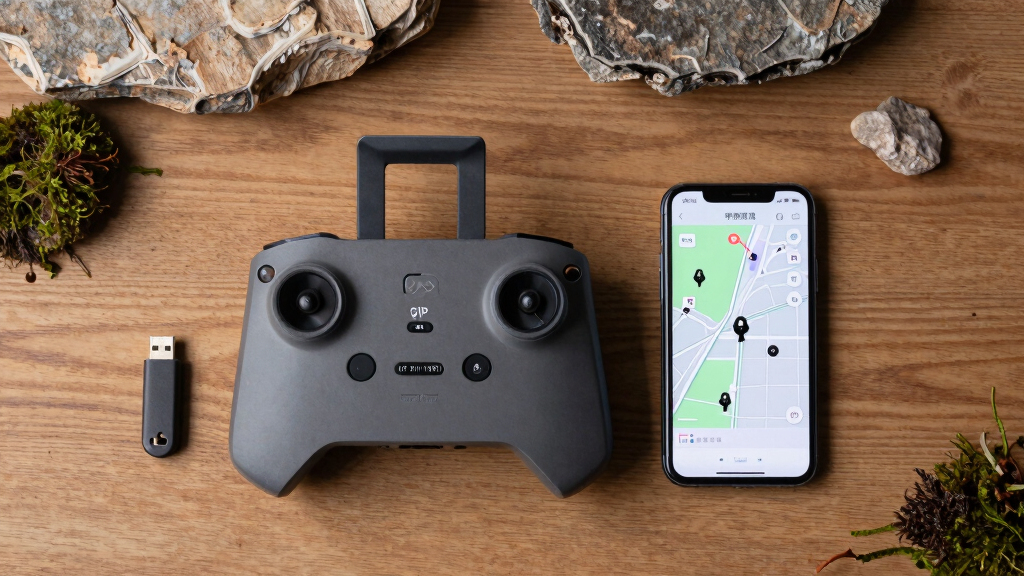
military drone feeds viewer
As an affiliate, we earn on qualifying purchases.
As an affiliate, we earn on qualifying purchases.
From NATO Standards To Wartime Use
The ISR Briefing analysis links Delta’s roots to earlier efforts to break Soviet-style information silos and adopt NATO-standard data sharing. The platform developed in wartime conditions, where Ukraine needed faster coordination among units, drones, sensors and intelligence sources during Russia’s full-scale invasion.
The analysis also cites a 2024 CSIS framing of software-defined warfare, a concept in which battlefield advantage depends less on individual platforms and more on how quickly militaries collect, combine, validate and distribute data. In Delta’s case, that means a common operating picture delivered to the edge of the battlefield through a web application.
Limits Around Delta’s Impact
Several points remain unclear. The public record does not fully show how much battlefield success can be attributed to Delta rather than drones, artillery, training, intelligence sharing or other Ukrainian systems. The reported 1,500-targets-per-day figure remains an official claim, not an independently verified measure.
The system also carries risks. The source material identifies cyber targeting, phishing and malware threats, dependence on connectivity, jamming exposure and possible data-poisoning as hazards for any fused battlefield picture. It is also unclear how Delta performs under sustained electronic warfare in every sector of the front.
Allies Watch The Fusion Layer
The next issue is whether Ukraine and its partners can keep Delta resilient while expanding the number and quality of data feeds. The ISR Briefing analysis points to all-weather radar inputs, including synthetic-aperture radar, as one way to strengthen the picture when optical drones or satellites are limited by darkness, clouds or battlefield conditions.
Defense ministries are likely to study whether Delta’s model can be adapted without copying its wartime shortcuts. The key questions will be who controls the data, how sources are validated, how systems survive cyber pressure and whether cloud-hosted battlefield tools can be trusted when connectivity is degraded.
Key Questions
What is Ukraine’s Delta system?
Delta is a Ukrainian battlefield-management and situational-awareness system that combines drone feeds, satellite imagery, sensors and vetted reports into a live map for military coordination.
Why is Delta called software-defined warfare?
The term refers to warfare where software, data fusion and rapid updates shape battlefield advantage. Delta fits that model because its value comes from turning many inputs into one shared operating picture.
Is Delta confirmed to process 1,500 targets per day?
No. That is described as a Ukrainian Defense Ministry claim. The source material states the figure has not been independently verified.
Why is the cloud hosting outside Ukraine important?
The analysis says hosting Delta’s backend abroad is meant to improve operational resilience, making it harder for a strike or domestic cyberattack inside Ukraine to disable the system.
What are the main risks with Delta?
The main risks are cyberattacks, degraded connectivity, jamming, possible bad data entering the system and the broader consequences of speeding up battlefield decisions.
Source: Thorsten Meyer AI
Fall Picks
fall essentials
As an affiliate, we earn on qualifying purchases.