
TL;DR

Get privacy and security gear delivered free — and shop member deals
- Fast, free delivery on millions of items
- Access to Prime Big Deal Days deals on October 6–7
- Prime Video, Amazon Music and more included
A solar-powered drone, operated by Skydweller Aero, achieved a record-breaking eight-day flight, then crashed into the ocean amid severe weather. The event highlights advances and risks in solar UAV technology.
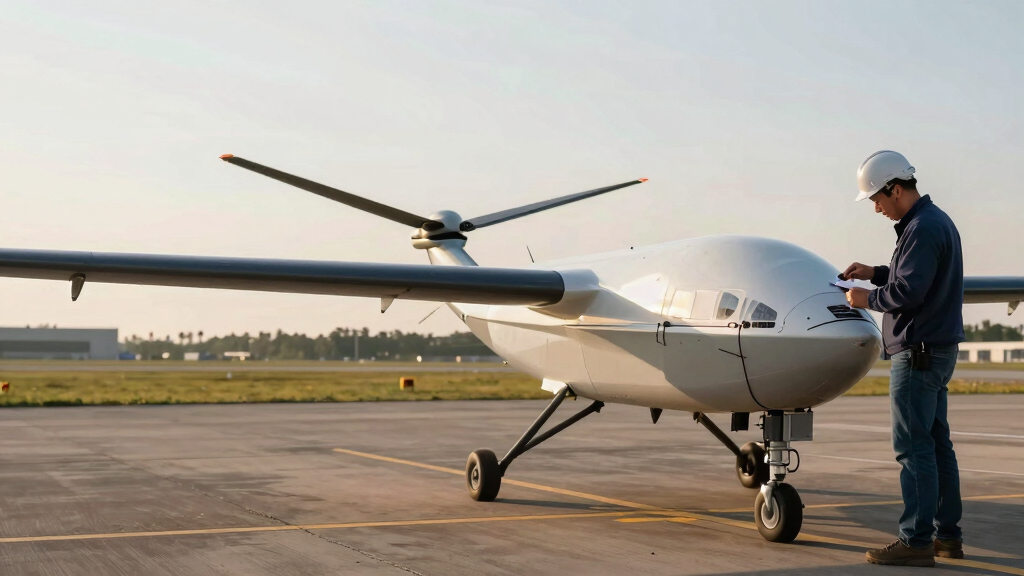
A solar-powered drone operated by Skydweller Aero completed a record-breaking flight of eight days and 14 minutes before crashing into the sea off the coast of Mexico in early May 2024, marking the longest flight for such an aircraft and ending its operational run.
The drone, with a wingspan comparable to a Boeing 747, was conducting military and maritime patrol tests during a US Navy exercise near Florida and the Caribbean. It departed from Mississippi on April 26, participated in the Navy’s FLEX 2026 exercises, and later flew over South-Central America, demonstrating extended operational capabilities. On May 3, it encountered severe weather with extreme vertical air mass variability, which depleted its energy reserves. Despite nominal systems, the drone performed a controlled water ditching around 6:30 am Eastern Time on May 4, sinking due to its non-buoyant composite structure. The flight set a new record for solar-powered aircraft endurance, surpassing previous benchmarks set by Solar Impulse 2. The company described the flight as an operational prototype validating military utility, though the aircraft was lost at sea.
Why It Matters
This event underscores the potential of large-scale solar-powered unmanned aircraft for persistent surveillance and military applications, demonstrating extended endurance capabilities. However, the crash highlights the vulnerability of such aircraft to extreme weather, raising questions about operational resilience and safety in future deployments. The loss also impacts the legacy of pioneering solar aircraft, with implications for both civilian and defense sectors seeking renewable, long-endurance aerial platforms.
solar-powered drone
As an affiliate, we earn on qualifying purchases.
As an affiliate, we earn on qualifying purchases.
Background
Skydweller Aero modified the Solar Impulse 2 aircraft to develop a solar-powered drone capable of uncrewed, sustained flight for military and maritime missions. The aircraft’s wingspan of 236 feet (72 meters) was designed to maximize solar energy collection, enabling multi-day flights. Previous achievements include Solar Impulse 2’s historic circumnavigation and record-setting endurance flights. The recent flight was part of ongoing tests for the US military, including exercises focused on maritime surveillance and interdiction, amid broader US efforts to combat transnational drug trafficking through aerial and maritime assets. The aircraft’s operational history reflects a focus on renewable energy and persistent surveillance technology, but its recent crash raises questions about operational limits under adverse weather conditions.
“The flight demonstrated the practical military utility of a persistent, medium-altitude solar aircraft, despite the loss at sea.”
— Skydweller Aero spokesperson
“The drone played a role in maritime surveillance during the FLEX exercises, supporting advanced tracking and communication capabilities.”
— US Navy official (unattributed)
What Remains Unclear
It is unclear whether the drone’s crash was solely due to weather or if other technical factors contributed. The extent of the drone’s role in military exercises and the precise circumstances leading to its loss are still under investigation. Salvage efforts and future operational plans remain uncertain.
What’s Next
Skydweller Aero plans to review the incident, analyze weather-related vulnerabilities, and possibly develop upgraded prototypes with enhanced resilience. The company has indicated no immediate replacements are ready, but future technological improvements are planned. Further testing and validation are expected before re-deploying similar aircraft in operational settings.
Key Questions
What was the purpose of the Skydweller drone’s flight?
The drone was conducting military and maritime patrol tests during US Navy exercises, demonstrating persistent surveillance, communication, and tracking capabilities over extended periods.
How long did the drone fly before crashing?
The drone completed a record-breaking flight of eight days and 14 minutes before crashing into the sea in early May 2024.
Why did the drone crash?
Severe weather conditions, including extreme vertical air mass variability, likely depleted its energy reserves, leading to a controlled water ditching. The precise cause is still under investigation.
What are the implications of this crash for future solar aircraft?
The incident highlights the operational risks of extreme weather for high-altitude, solar-powered drones, but the technological achievements may inform future designs aimed at greater resilience.
Will the aircraft be salvaged or replaced?
There are no immediate plans for salvage or replacement; the company is focusing on analyzing the incident and developing future upgrades based on existing technology.
Halloween Picks
halloween
As an affiliate, we earn on qualifying purchases.


![216M Spy TVs – The LG Smart TV Problem [Video]](https://aiespionage.net/wp-content/uploads/2026/09/216m-spy-tvs-the-lg-smart-tv-problem-video-featured-560x300.jpg)