
TL;DR

Get privacy and security gear delivered free — and shop member deals
- Fast, free delivery on millions of items
- Access to Prime Big Deal Days deals on October 6–7
- Prime Video, Amazon Music and more included
The Cybersecurity and Infrastructure Security Agency (CISA) has issued an alert warning that malicious actors are targeting programmable logic controllers (PLCs) in the water sector. This development raises concerns about operational disruptions and cybersecurity vulnerabilities in critical infrastructure.
The Cybersecurity and Infrastructure Security Agency (CISA) has issued a formal alert warning that cyber threat actors are actively targeting programmable logic controllers (PLCs) within the water sector. This marks a significant escalation in cyber threats to critical infrastructure, with potential operational and safety implications for water utilities across the United States.
According to the CISA alert published in October 2023, malicious actors are exploiting vulnerabilities in PLC systems used by water utilities to gain unauthorized access. The alert states that these attacks could lead to operational disruptions, contamination risks, or service outages if successful. CISA urges water sector organizations to review their cybersecurity measures, implement recommended controls, and monitor for suspicious activity.
While the alert does not specify the exact threat actors involved, it references recent activity indicating increased targeting of industrial control systems in the water sector. The agency emphasizes that these threats are part of broader efforts to undermine critical infrastructure security, with attackers possibly aiming for disruption or espionage.
Implications of PLC-targeted Cyber Attacks on Water Safety
This alert highlights a growing cybersecurity risk to the water sector, which could have severe consequences if attackers succeed in manipulating PLC systems. Disruptions could affect water treatment processes, leading to public health risks or service outages. The alert underscores the importance of robust cybersecurity practices for water utilities to protect critical infrastructure and ensure public safety.
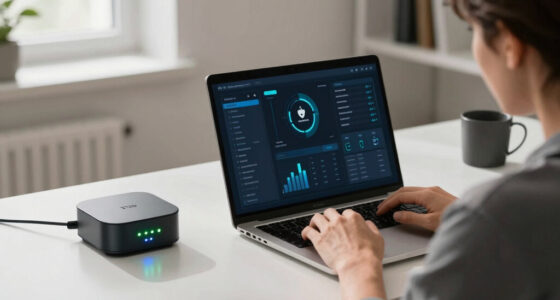
industrial control system cybersecurity tools
As an affiliate, we earn on qualifying purchases.
As an affiliate, we earn on qualifying purchases.
Recent Trends in Water Sector Cybersecurity Threats
Over the past year, there has been an increase in cyber incidents targeting industrial control systems in various critical sectors, including water, energy, and manufacturing. The water sector has historically been vulnerable due to outdated infrastructure and limited cybersecurity resources. CISA’s alert reflects concerns that threat actors are now specifically focusing on PLC systems, which control essential processes in water treatment and distribution.
“The targeting of PLC systems in the water sector represents a serious threat to operational continuity and public safety.”
— CISA spokesperson
Unclear Details on Threat Actors and Attack Methods
It is not yet confirmed which specific threat groups are responsible for these attacks or their exact methods. The alert describes activity as targeted but does not specify whether these are ongoing campaigns, the scale of the attacks, or if any utilities have already experienced operational disruptions. Further investigation is needed to clarify these points.
Expected Security Measures and Industry Response
Water utilities are expected to review and strengthen their cybersecurity protocols, including network segmentation, monitoring, and incident response planning. CISA and industry partners will likely increase information sharing and guidance to mitigate risks. Monitoring for signs of compromise and reporting any suspicious activity will be critical in the coming weeks.
Key Questions
What are PLC systems and why are they targeted?
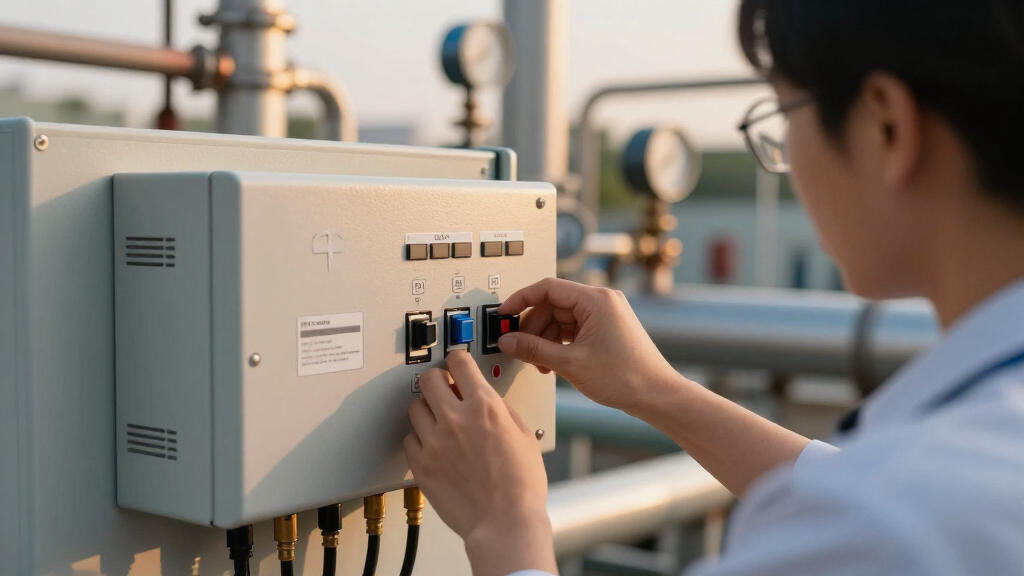
Programmable Logic Controllers (PLCs) are industrial digital computers used to control machinery and processes in water treatment and distribution. They are targeted because compromising them can disrupt operations or cause safety hazards.
Are water utilities already experiencing operational disruptions due to these threats?
There are no publicly confirmed reports of operational disruptions at this time. The alert indicates a potential threat, but specific incidents have not been disclosed.
What can water utilities do to protect themselves?
Utilities should implement recommended cybersecurity practices, including updating software, segmenting networks, monitoring for suspicious activity, and conducting regular security assessments.
Is this a new type of cyber threat or part of ongoing campaigns?
The alert suggests an increase in targeted activity but does not specify whether this is a new tactic or part of existing campaigns. Further details are expected as investigations continue.
How serious is the risk to public health and safety?
The risk depends on whether attackers can manipulate water treatment processes. While the threat is serious, no confirmed incidents have resulted in public harm to date.
Source: hn
Fall Picks
fall essentials
As an affiliate, we earn on qualifying purchases.