
TL;DR

Get privacy and security gear delivered free — and shop member deals
- Fast, free delivery on millions of items
- Access to Prime Big Deal Days deals on October 6–7
- Prime Video, Amazon Music and more included
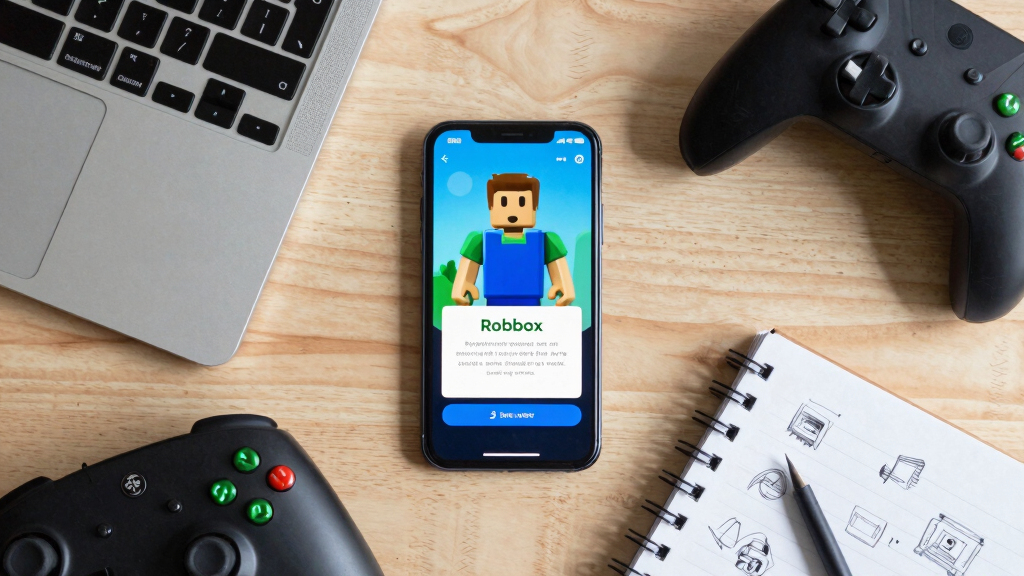
Roblox launched an AI-based age verification system last week, but it has quickly become unreliable, misidentifying users’ ages and causing disruptions. The system’s flaws raise safety concerns amid ongoing lawsuits and user protests.
Roblox’s AI-powered age verification system, launched last week to improve platform safety, is already facing significant problems, including widespread misidentification of users’ ages and user protests. The system’s failure to accurately verify ages raises questions about its effectiveness and safety implications for the platform’s over 150 million daily users.
Roblox introduced the AI-based age verification process in the US, Australia, New Zealand, and the Netherlands last week, requiring users to record short videos or upload government IDs for verification. However, reports from players and parents indicate that the system often misidentifies ages, placing young children in adult categories and vice versa. Some users have shared videos of how they tricked the system using avatars or altered images, including a photo of Kurt Cobain, to bypass verification. The company claims that over ‘tens of millions’ of users have verified their ages, but the system’s reliability remains highly questionable. Roblox officials acknowledged the issues, noting that the platform is working on solutions, including rechecking suspected misidentifications, but details remain scarce about how these processes will be implemented or enforced.
Why It Matters
This development matters because the platform’s safety measures are under intense scrutiny amid lawsuits and allegations of failing to protect children from predators. The flawed verification system undermines trust among parents, users, and developers, potentially exposing vulnerable children to harmful interactions. Additionally, the widespread misidentification could lead to increased exploitation and privacy concerns, complicating efforts to create a safer environment.
ID verification webcam for kids
As an affiliate, we earn on qualifying purchases.
As an affiliate, we earn on qualifying purchases.
Background
Roblox announced the introduction of the AI-powered age verification system last July as part of broader safety reforms following multiple lawsuits and investigations by attorneys general in several states. The system aims to prevent adults from interacting with children without verification, a key concern given ongoing allegations of grooming and exploitation on the platform. The rollout in November in select countries saw only about half of users verifying their age, and the recent global launch has been marred by technical failures and user backlash. Experts have warned that AI-based verification can be unreliable and vulnerable to manipulation, especially when privacy concerns discourage users from sharing personal data.
“Expecting the system to be flawless overnight is ignoring the scale of this undertaking.”
— Roblox’s chief safety officer Matt Kaufman
“The most widespread danger is the large number of accounts that have been mistakenly filed into the wrong age category, and the new challenges for parents and in-game moderators to see if children are being exploited in the chat.”
— Ry Terran, independent extremism researcher
What Remains Unclear
It remains unclear how Roblox plans to effectively recheck or correct misidentified ages at scale, and whether the verification process will be refined to prevent manipulation. The company has not detailed the specifics of ongoing improvements or how they will address privacy concerns associated with video and ID uploads.
What’s Next
Roblox is expected to develop and share updates on their verification system’s improvements soon, including potential rechecking protocols and safeguards. Monitoring user feedback and the company’s safety measures will be crucial in assessing whether these issues are addressed effectively.
Key Questions
Why is Roblox implementing AI-based age verification?
Roblox aims to prevent adults from interacting with children without verification, addressing safety concerns amid lawsuits and allegations of exploitation on the platform.
What are the main problems with the current system?
The system frequently misidentifies users’ ages, places children in adult categories, and can be tricked using avatars or altered images, raising safety and privacy concerns.
Are users’ personal data safe with this system?
Roblox states that all personal information is deleted immediately after processing, but privacy concerns remain among users who are hesitant to share videos or IDs.
What is Roblox doing to fix these issues?
The company says it is working on solutions, including rechecking suspected misidentifications, but specific plans and timelines have not been disclosed.
Halloween Picks
halloween
As an affiliate, we earn on qualifying purchases.