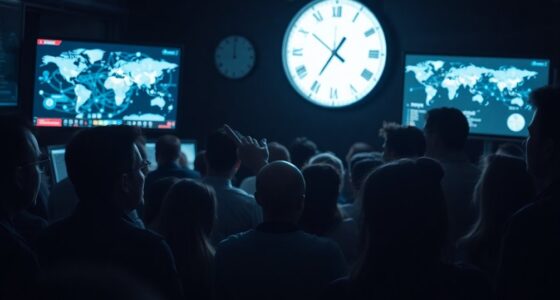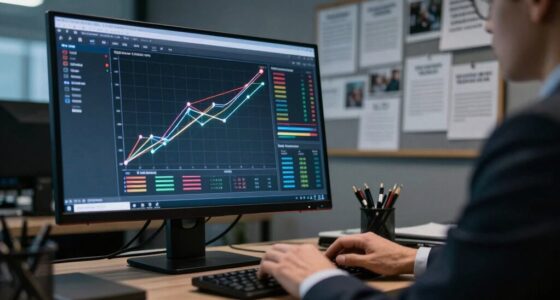

Denmark's telecommunications sector is on high alert as the government raises the cyber threat level due to escalating Russian cyber aggression. With hacking groups targeting critical infrastructure, the stakes have never been higher. AI-driven scams, including advanced phishing and voice cloning attacks, are reshaping the fraud landscape. You need to be aware and prepared, as immediate action is crucial for defense against these threats. Discover what steps you can take to stay secure in this evolving landscape.

Get privacy and security gear delivered free — and shop member deals
- Fast, free delivery on millions of items
- Access to Prime Big Deal Days deals on October 6–7
- Prime Video, Amazon Music and more included

Denmark's telecommunications sector is on high alert as the government raises the cyber threat level from medium to high, spurred by a surge in Russian hacking activities. You've likely noticed the increasing attention on cybersecurity, especially with repeated cyber espionage attempts targeting not just Denmark but the entire European telecommunications landscape.
The Danish military intelligence has identified hybrid attacks and sabotage as key risks, making it clear that your industry is in the crosshairs. You might feel a sense of urgency knowing that the telecommunications sector is particularly vulnerable due to its critical infrastructure role. When the government calls for enhanced cybersecurity measures, it's not just a suggestion; it's a necessity.
The telecommunications sector faces urgent threats as hybrid attacks and sabotage target critical infrastructure, demanding immediate cybersecurity action.
With Russian hacking groups already attacking the Danish banking sector, targeting your industry could easily be next. The motivation behind these attacks stems from Denmark's support for Ukraine, making your position even more precarious. Increased activity from Russian hackers highlights the urgent need for improved security protocols.
As if that weren't enough, you should be aware of the evolving cyber threats powered by artificial intelligence. Generative AI is now a tool for crafting sophisticated phishing campaigns, which means you have to be on your toes. Scammers are using AI to generate fake testimonials and even deepfake voice calls, making it harder for you to discern genuine communications from fraudulent ones.
If you're not vigilant, you could fall victim to these AI-driven scams. The telecom fraud landscape is changing rapidly, and financial losses can be significant. AI enhancement in phishing tactics means fraudsters can personalize their attacks, making them more believable.
Voice cloning technology allows them to impersonate officials, increasing the stakes for you and your organization. It's essential to adopt AI-driven fraud detection systems and collaborate with cybersecurity firms to mitigate these risks.
With the Danish Civil Protection Agency raising the alert level, it's clear that your government is taking these threats seriously. Civil Protection Minister Torsten Schack Pedersen's warning about increased Russian cyber aggression serves as a wake-up call.
The Defense Intelligence Service has identified hybrid attacks as a primary risk in its annual report, further emphasizing the need for immediate action on your part. In this tense climate, staying informed and proactive is your best defense.
Conclusion
You might think this threat is just another overblown scare, but it's not. Denmark's telecom sector is at a critical juncture, and ignoring the signs could lead to dire consequences. As AI-driven threats escalate, the potential for disruption grows, affecting not just telecom companies but every citizen relying on connectivity. By staying informed and proactive, you can help safeguard Denmark's digital future. Don't wait for the crisis to hit—it's time to act before the war truly begins.
AI-powered cybersecurity software
As an affiliate, we earn on qualifying purchases.
As an affiliate, we earn on qualifying purchases.
Fall Picks
fall essentials
As an affiliate, we earn on qualifying purchases.