
TL;DR
Cerebras encountered substantial financial challenges in 2019 after investing $200 million in AI chip development. The company addressed complex engineering issues, leading to its current valuation of $60 billion. It now supplies clients such as OpenAI and AWS.
Cerebras Systems, now valued at approximately $60 billion following its recent IPO, encountered significant financial challenges in 2019 after investing nearly $200 million in the development of a new AI chip. The company faced a critical engineering obstacle—packaging—that threatened its operational stability, but ultimately succeeded in creating a functional product that influenced its future direction.
Founded in 2015, Cerebras aimed to revolutionize AI hardware by creating a single, enormous silicon chip, eliminating the need for multiple interconnected chips. This approach required solving unprecedented packaging and cooling problems, as the chip was 58 times larger and used 40 times more power than typical chips. During 2019, the company was spending about $8 million per month, and its leadership faced the risk of bankruptcy after incinerating nearly $200 million on prototypes that did not meet specifications.
CEO Andrew Feldman told TechCrunch that the team had to develop custom solutions, including a machine to bolt the wafer to a board without cracking it, and new cooling techniques. The breakthrough came in July 2019 when the team successfully powered and operated the first functional mega-chip, a milestone that allowed Cerebras to move forward with manufacturing and commercial deployment.
By 2026, Cerebras has become a major supplier of AI chips, serving clients like OpenAI and AWS. The company went public on Thursday, with a valuation of around $60 billion, and has secured a $1 billion loan from OpenAI, which includes warrants for about 33 million shares, worth over $9 billion at Friday’s closing price of $279. The company has also included temporary restrictions on sales to certain competitors, such as Anthropic, though CEO Feldman indicated these are limited in duration.
Why It Matters
This account illustrates how technical challenges can impact startup operations, and how overcoming such obstacles can contribute to industry progress. Cerebras’ experience underscores the importance of addressing engineering barriers in AI hardware development, which can influence the deployment of large-scale AI models. Its current valuation and partnerships reflect its role within the AI ecosystem, making its early difficulties and subsequent progress relevant for industry stakeholders.
AC Infinity AIRPLATE S7, Quiet Cooling Fan System 12" with Speed Control
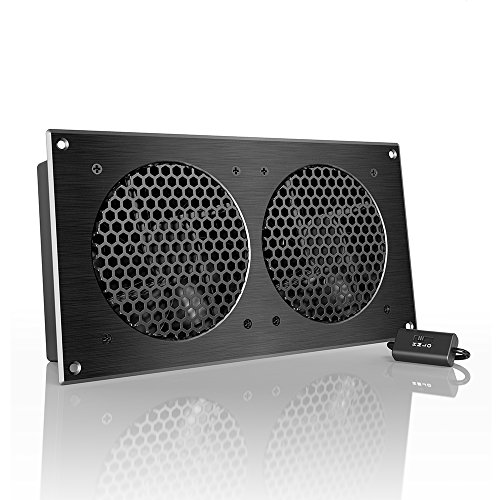
Quiet 12-inch cooling fan system with adjustable speed for home theater and AV cabinets.
As an affiliate, we earn on qualifying purchases.
As an affiliate, we earn on qualifying purchases.
Background
Cerebras was founded in 2015 with the goal of creating a large, single-chip solution for AI workloads, diverging from traditional multi-chip architectures. Its early years involved repeated failures in packaging and thermal management, which nearly led to the company’s insolvency. The breakthrough in 2019, after nearly four years of research and development, allowed the company to produce a working prototype and attract industry attention. The firm’s founders, including Andrew Feldman, previously built and sold SeaMicro to AMD in 2012, demonstrating a track record of hardware innovation.
Following this breakthrough, Cerebras secured key partnerships and funding, culminating in its IPO this week. The company’s relationship with OpenAI, including a $1 billion loan and warrants, has been instrumental in its growth. Despite its success, the company remains selective about its customer base, emphasizing targeted deployment rather than broad market saturation.
“We were spending about $8 million a month, and had incinerated nearly $200 million trying to solve one technical problem.”
— Andrew Feldman, CEO of Cerebras
“Watching a computer run is about as exciting as watching paint dry. But there we were, stunned that we’d solved this.”
— Andrew Feldman, CEO of Cerebras
What Remains Unclear
It remains uncertain how long the temporary restrictions on sales to certain competitors will be in place, or how the company plans to expand its customer base beyond current partners like OpenAI and AWS. The full scope of its future product pipeline and the impact of its recent IPO on its strategic direction are still developing.
What’s Next
Cerebras is expected to continue scaling its manufacturing and sales efforts, potentially expanding its customer base and product offerings. The company may also face challenges in meeting increasing demand and maintaining its technological edge. Future milestones include new chip designs, broader market adoption, and potential collaborations with other AI industry leaders.
Key Questions
How close was Cerebras to failure in 2019?
Very close. The company had burned nearly $200 million and was spending about $8 million monthly, risking insolvency before solving its packaging and cooling challenges.
What was the main technical challenge Cerebras faced?
The primary issue was packaging—developing a reliable method to cool and connect the large chip, which had no existing solutions in the industry.
How did Cerebras finally succeed?
After extensive trial and error, the team developed custom solutions, including a machine to bolt the wafer without cracking it, and innovative cooling methods, culminating in a working prototype in July 2019.
What is Cerebras’ current status?
The company is now publicly traded, valued at about $60 billion, and supplies major AI firms like OpenAI and AWS, with ongoing efforts to expand its market reach.