
TL;DR

Get privacy and security gear delivered free with Prime
- Fast, free delivery on millions of items
- Prime Video, Amazon Music and more included
- Member-only deals all year
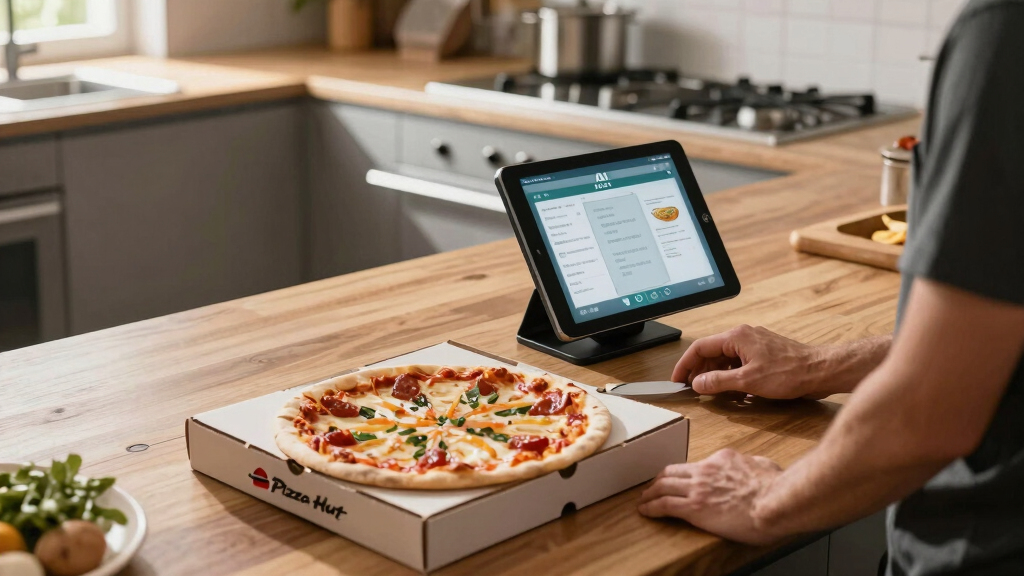
A franchisee of Pizza Hut has sued the company, alleging its AI-driven delivery platform caused major operational issues and over $100 million in losses. The lawsuit claims delays and customer dissatisfaction after the system’s implementation.
A franchisee of Pizza Hut has filed a lawsuit claiming that the chain’s new AI-based delivery platform caused severe operational failures and over $100 million in damages, marking a significant setback for the company amid broader struggles.
The lawsuit, filed in Texas Business Court, accuses Pizza Hut of mandating the adoption of Dragontail, an AI-driven delivery management system, despite known incompatibilities with the franchisee’s existing operations. The franchisee, Chaac Pizza Northeast, which operates approximately 111 restaurants across multiple states, alleges that the system led to cascading disruptions, including delays and customer dissatisfaction.
According to the lawsuit, the AI system provided DoorDash drivers with real-time visibility into kitchen workflows and order timing, which the franchisee claims encouraged drivers to wait for batching multiple orders. This resulted in delays of up to fifteen minutes per delivery, causing orders to arrive cold and late, and significantly reducing sales. The franchisee reports that prior to the system’s rollout, over 90% of deliveries arrived within 30 minutes, with strong sales growth and high customer satisfaction.
The complaint further states that drivers could see tip amounts and payment methods, which allegedly discouraged some from accepting deliveries, exacerbating delays. Chaac alleges that Pizza Hut failed to adequately support or train staff on the new system and continued to enforce its use despite worsening delivery metrics and declining sales, especially in New York City where year-over-year sales shifted from a 10.19% increase to a 9.78% decrease.
Why It Matters
This lawsuit highlights challenges in integrating AI technologies into established restaurant operations, especially when such systems disrupt proven workflows. The case could influence how fast-food chains approach AI implementation and franchise agreements, impacting industry practices and investor confidence. The financial damages claimed underscore the potential risks and costs associated with technological upgrades that are not properly adapted or supported.
AI delivery management system for restaurants
As an affiliate, we earn on qualifying purchases.
As an affiliate, we earn on qualifying purchases.
Background
Pizza Hut, owned by Yum! Brands, has faced ongoing financial difficulties, with the company exploring strategic options including potential sales, amid declining same-store sales and increased competition from rivals like Domino’s and Little Caesars. The chain has announced plans to close 250 US locations in early 2024, reflecting broader struggles to maintain market share in a crowded delivery-focused landscape.
The AI system, Dragontail, was introduced in 2024 as part of Pizza Hut’s efforts to optimize delivery efficiency. However, the lawsuit alleges that the system’s implementation was mishandled and incompatible with existing operations, leading to operational failures and financial losses. The case emerges amidst a backdrop of industry-wide challenges with integrating new technologies into traditional restaurant models.
“With the intention to improve efficiency and service to the customer, Dragontail did the exact opposite. It caused significant delays and pummeled consumer satisfaction.”
— Chaac Pizza Northeast (via lawsuit)
“We are reviewing the claims and will respond through the appropriate legal channels.”
— Pizza Hut spokesperson
What Remains Unclear
It is not yet clear how much of the reported damage is directly attributable to the AI system versus other operational factors. The full extent of the system’s impact and Pizza Hut’s internal response remain under review, and legal proceedings are ongoing.
What’s Next
The lawsuit will proceed through the courts, and further investigations or disclosures from Pizza Hut and involved parties are expected. The case could set a precedent for AI implementation standards in franchise operations and influence future technology adoption strategies.
Key Questions
What specific issues did the AI system cause?
The system allegedly caused delays in delivery times, customer dissatisfaction, and decreased sales by enabling drivers to wait for batching orders and view payment details, which discouraged some deliveries and slowed operations.
How much is the franchisee seeking in damages?
Chaac Pizza Northeast is seeking more than $100 million in damages, along with attorneys’ fees and other relief.
Has Pizza Hut responded publicly to the lawsuit?
The company stated it is reviewing the claims and will respond through legal channels but has not issued a detailed public statement.
Could this impact Pizza Hut’s broader business strategy?
Yes, the case could influence how Pizza Hut and other chains approach AI and technology upgrades, especially regarding franchise support and operational integration.
Halloween Picks
halloween
As an affiliate, we earn on qualifying purchases.