

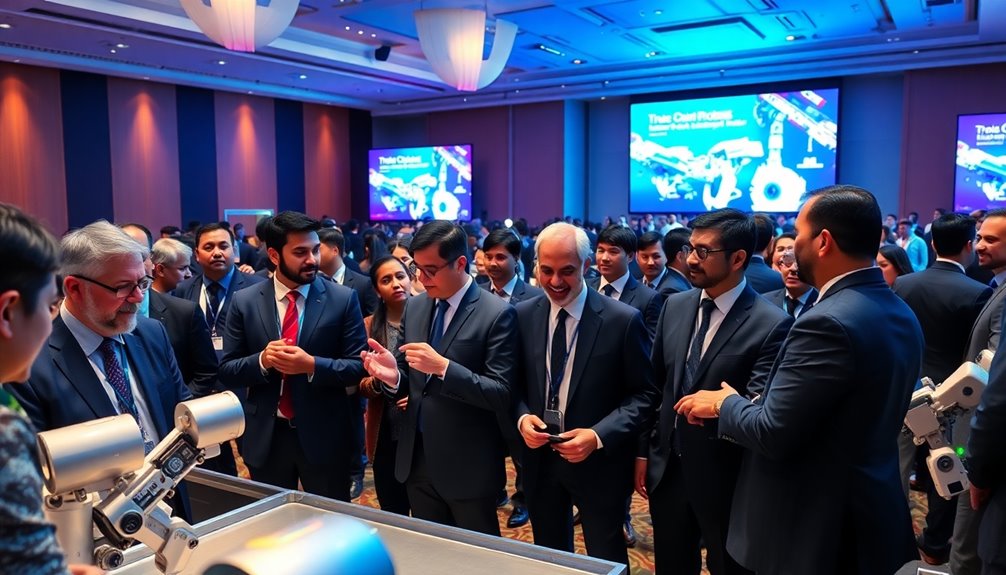
Robotics startups are capturing global investors‘ attention like never before, with funding soaring to approximately $6.4 billion in 2024. This surge isn’t just a fluke; it’s a reflection of the growing confidence in the robotics sector. Major investors, including names like Jeff Bezos, have thrown their weight behind these startups, signaling strong belief in the long-term potential of robotics. Corporate giants such as Accenture Ventures and Verizon are also stepping up their game, diversifying their portfolios with investments in innovative robotics companies.

Get privacy and security gear delivered free — and shop member deals
- Fast, free delivery on millions of items
- Access to Prime Big Deal Days deals on October 6–7
- Prime Video, Amazon Music and more included
The global advanced robotics market is on the rise, propelled by rapid technological advancements and a widening array of applications. You might find it interesting that this market isn’t just about industrial robots anymore. It’s expanding into health care, logistics, and even agriculture. In fact, the humanoid robot market is projected to skyrocket to $38 billion by 2035, a massive leap from earlier estimates. With prices for humanoid robots starting around $30,000, they’re becoming increasingly accessible, allowing more businesses to integrate these technologies into their operations. Humanoid robots offer a unique advantage by allowing seamless integration into existing infrastructures.
One of the standout features of humanoid robots is their ability to seamlessly fit into existing human-centric infrastructures. They aren’t just mechanical arms or drones; they can adapt and learn through AI collaboration. This kind of integration opens up global opportunities, meaning startups from various regions can innovate without being limited by geographical constraints.
Investors are particularly focused on emerging categories, including agricultural automation and advanced humanoid robots. As the demand for automation rises, especially in sectors like manufacturing and healthcare, the need for efficient robotics solutions becomes paramount.
Investors are zeroing in on agricultural automation and advanced humanoid robots, driven by rising automation demands in manufacturing and healthcare.
You’ll notice that China, Japan, South Korea, the US, and Germany are currently leading the charge in robotics installations, suggesting that these regions are fertile ground for future innovations.
Moreover, regulatory frameworks are beginning to take shape, helping ensure the safe deployment of autonomous systems. This is crucial as robotics continues to penetrate various industries. From automotive manufacturing to consumer home automation, the applications are vast.
In this landscape, it’s evident that robotics startups are no longer just surviving; they’re thriving. With significant investments flowing in and a favorable market environment, these startups are well-positioned to shape the future of technology. If you’re looking to get involved, now’s the time.
humanoid robot for business integration
As an affiliate, we earn on qualifying purchases.
As an affiliate, we earn on qualifying purchases.
Fall Picks
fall essentials
As an affiliate, we earn on qualifying purchases.