
TL;DR
Many Americans are protesting data centers due to environmental concerns and fears about AI’s future impact. This backlash exposes deeper anxieties about technological change and regulation. The protests are unlikely to slow AI development but highlight the need for broader policy debate.
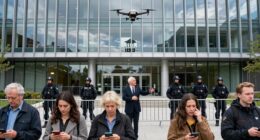
Communities across the United States are increasingly opposing the construction of data centers, citing environmental concerns and fears about artificial intelligence’s potential impacts. This widespread backlash highlights a broader societal anxiety about technological change and regulation, even as the physical protests have little effect on AI’s rapid development.
Data centers, which power AI and much of modern internet activity, have become a flashpoint in local politics. According to a recent Gallup poll, 70% of Americans oppose new data centers in their areas, primarily due to environmental concerns such as noise, water, and energy use. Many communities have enacted moratoria on their construction, viewing them as nuisances or ecological threats. However, experts like Vox’s Eric Levitz argue that these objections are often overstated and serve as proxies for deeper fears about AI and economic change.
The protests are fueled by a broader mistrust of technology, economic insecurity, and political frustration. With no comprehensive federal regulation of AI, many see local opposition to data centers as their only tangible action to influence the future of AI. Yet, industry analysts warn that halting data center buildouts will not significantly slow AI progress or address the societal challenges posed by the technology.
Why It Matters
This backlash reveals a societal struggle to adapt to rapid technological change and highlights the limitations of local activism in regulating AI. While protests may temporarily delay data center projects, they do little to influence the broader policy landscape. The protests also underscore public anxiety about AI’s potential to disrupt jobs, privacy, and social stability, making it a critical issue for policymakers to address.
The AI Legal Handbook: A Guide to the Laws of Artificial Intelligence and the Future of Regulation

As an affiliate, we earn on qualifying purchases.
As an affiliate, we earn on qualifying purchases.
Background
Over the past year, opposition to data centers has surged amid growing public concern about AI’s societal impacts. Despite environmental criticisms, experts note that the ecological footprint of data centers has been exaggerated, and their construction is often driven by economic incentives. Meanwhile, legislative efforts at the federal level to regulate AI have stalled, leaving communities feeling powerless. The protests reflect a wider mistrust of institutions and a desire for tangible action on AI’s risks.
“Many of the objections to data centers are overstated and serve as proxies for deeper fears about AI and economic upheaval.”
— Eric Levitz, Vox
“We’re fighting these data centers because we’re worried about the environment and what AI will do to our jobs and way of life.”
— Community protest organizer
What Remains Unclear
It remains unclear whether these protests will lead to lasting policy changes or significantly slow AI development. The effectiveness of grassroots opposition in influencing federal regulation of AI is also uncertain, as the technology continues to advance rapidly.
What’s Next
Next steps include potential local legislative actions, increased public debate on AI regulation, and ongoing protests. Policymakers may need to address broader societal fears through comprehensive regulation and public engagement to mitigate opposition and ensure responsible AI development.
Key Questions
Are data centers environmentally harmful?
Data centers do consume significant electricity and water, but experts argue that the environmental impact is often overstated and manageable with technological improvements.
Will protesting data centers slow AI progress?
Likely not. While protests can delay local projects, they have limited influence on the overall pace of AI development, which is driven by industry and federal policies.
What are the main reasons Americans oppose data centers?
Environmental concerns, noise, water and energy use, and fears about AI’s societal impacts, including job loss and loss of control, are primary reasons for opposition.
Could this opposition lead to federal regulation of AI?
It’s uncertain. Current legislative efforts have stalled, and protests focus more on local issues than comprehensive federal policies on AI regulation.
Source: Vox