
TL;DR

Get privacy and security gear delivered free with Prime
- Fast, free delivery on millions of items
- Prime Video, Amazon Music and more included
- Member-only deals all year
An FM station in the Ohio Valley was taken offline after someone severed its transmission line during the day. The suspect was arrested after a pursuit, and the station is working to restore full service amid substantial repair costs.
A suspect severed the main transmission line of WDGG(FM), a 100,000-watt station in Boyd County, Ky., causing the station to go off-air during broad daylight. The suspect, identified as Paul Crisp, was arrested after a police pursuit, and the incident has prompted a significant repair effort.
The incident took place at the station’s tower site on Musser Lane in Catlettsburg, Ky., where the suspect reportedly cut all of the station’s transmission cable, which contains pressurized gases, complicating repairs. The suspect, Paul Crisp, allegedly dragged the cut cable to his residence nearby and had previously disabled surveillance systems at the site.
Following the theft, the Boyd County Sheriff’s Office obtained a warrant, recovered the cut-up cable from Crisp’s property, and arrested him after a brief chase. WDGG’s signal was knocked off-air, and the station is currently operating at a reduced power of approximately 10 watts using backup equipment. The estimated repair costs range between $70,000 and $100,000, with the damaged line costing up to $160 per foot.
Why It Matters
This event highlights the vulnerability of broadcast infrastructure to theft and sabotage, which can lead to extended outages affecting local communities. WDGG serves as a key community station, hosting events like the annual ‘Dawg Dazzle’ and local promotions, making the outage a notable disruption for listeners and local businesses.
The incident underscores the importance of security measures for critical broadcast infrastructure and the financial and operational impacts of such criminal acts on local media outlets.
Products Worth Considering

DJI Mic 2 Wireless Microphone System (2 Transmitters, Receiver, Charging Case)
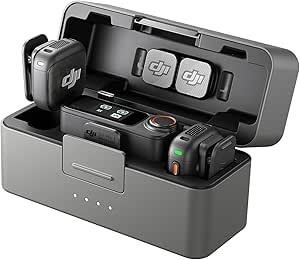
DJI Mic 3 Wireless Microphone Kit (2 Transmitters, 1 Receiver, Charging Case)

DJI Osmo Mobile 7P Smartphone Gimbal Stabilizer with Mic Mini Transmitter
As an affiliate, we earn on qualifying purchases.
Background
WDGG(FM), licensed to Ashland, Ky., is part of a group operated by Kirtner Communications, which has faced previous thefts at its sites. The current incident follows a copper theft at the same location on May 23, raising concerns about ongoing security issues. The station has relied on backup transmitters and auxiliary antennas to maintain minimal broadcasting during repairs.
Historically, copper thefts have been a recurring problem for broadcast stations, especially those with exposed transmission lines in less secure areas. The incident reflects broader challenges faced by local broadcasters in safeguarding their infrastructure.
“Criminal intent is hard to avoid, but even having some spare transmission line on hand could help mitigate the impact.”
— Mike Kirtner
What Remains Unclear
It is still unclear whether the main antenna or other station equipment suffered physical or electrical damage during the incident. The full extent of the damage and the timeline for complete restoration remain uncertain, as repair efforts are ongoing.
What’s Next
Recovery efforts are underway to install a new transmission line and restore full power by early June. The station plans to evaluate the damage to its antenna and other equipment, with updates expected as repairs progress.
Key Questions
How did the theft impact WDGG’s broadcast service?
The theft caused WDGG to go off-air, reducing its transmission power to about 10 watts with backup equipment, significantly limiting its reach until repairs are completed.
Who is suspected of the theft, and what charges are they facing?
The suspect, Paul Crisp of Catlettsburg, Ky., was arrested after a pursuit and faces charges including second-degree fleeing and evading police, along with possible charges related to theft and vandalism.
What are the costs associated with repairing the damage?
Estimated repair costs range from $70,000 to $100,000, primarily due to the high cost of replacing the pressurized transmission line, which can be as much as $160 per foot.
Could this incident have been prevented?
While prevention measures are challenging, the station’s owner suggests that having spare transmission line and enhanced security might reduce the risk of future thefts.
When will WDGG fully restore its broadcast power?
The station aims to have a direct transmission path operational by June 5, but full restoration at full power may take additional time depending on repair progress.
Source: Hacker News