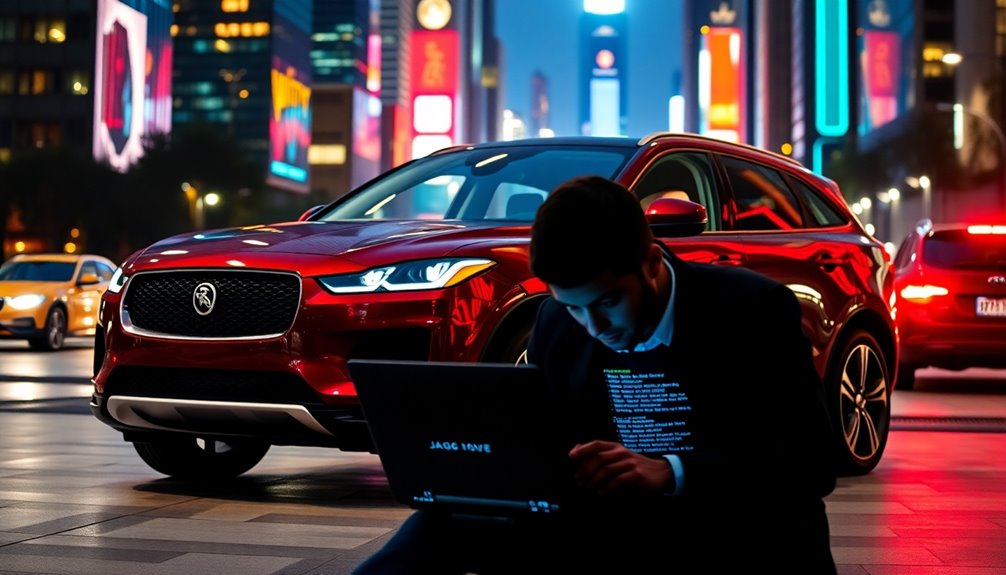

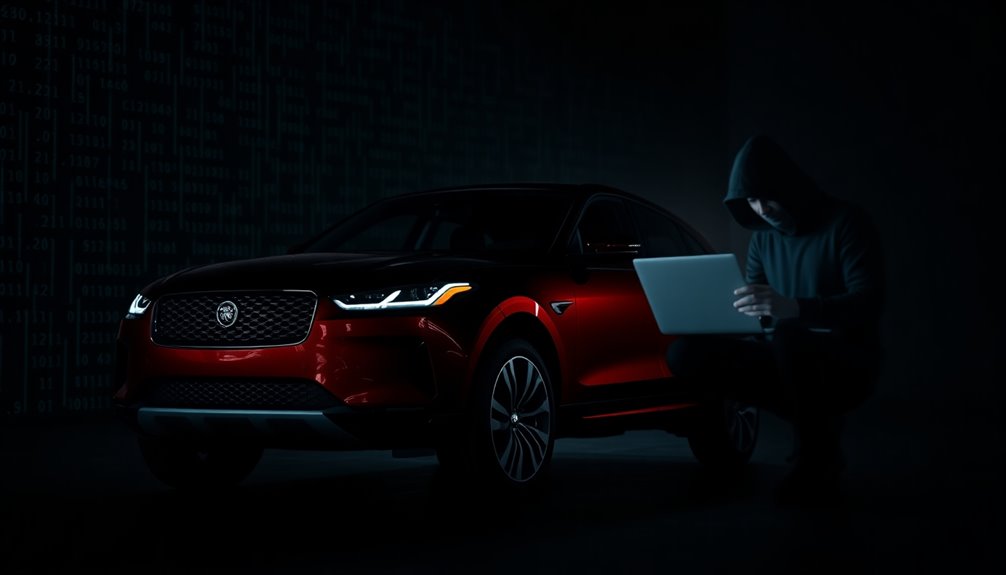
As the automotive industry embraces advanced connectivity and smart technologies, it also faces unprecedented cybersecurity threats that can compromise vehicle safety and consumer trust. The recent hack involving Jaguar Land Rover highlights these vulnerabilities, pushing the narrative of cybersecurity to the forefront of automotive discussions.

Get privacy and security gear delivered free with Prime
- Fast, free delivery on millions of items
- Prime Video, Amazon Music and more included
- Member-only deals all year
With the automotive cybersecurity market projected to reach USD 22.2 billion by 2032, it’s clear that companies are recognizing the urgent need to fortify their defenses.
Cybercrime losses are expected to skyrocket to USD 10.5 trillion annually by 2025, and the automotive sector has seen a staggering 225% increase in cyberattacks over the last three years. Remote cyberattacks account for 85% of these incidents, with many targeting back-end servers. This alarming trend suggests that hackers are getting more sophisticated, and the potential financial loss for the automotive industry could reach $505 billion by 2024 if the situation doesn’t improve.
Cybercrime losses in the automotive sector could reach $10.5 trillion by 2025, with a 225% surge in cyberattacks over three years.
Connected vehicles, like those produced by Jaguar Land Rover, inherently carry significant cybersecurity risks. Their ability to communicate with various devices makes them prime targets for cybercriminals who can potentially access critical vehicle systems such as braking and steering. Real-time monitoring is essential to mitigate these risks as emerging technologies evolve.
The rise of Vehicle-to-Vehicle (V2V) and Vehicle-to-Everything (V2X) communications also increases the risk of lateral attacks, making it crucial for manufacturers to prioritize cybersecurity.
Ransomware attacks are another pressing concern, with over 100 incidents targeting the automotive sector in 2024 alone. These attacks not only disrupt operations but also impair consumer trust, as data breaches often lead to the theft of sensitive information.
The evolving nature of ransomware means it can now compromise products and operational technology, creating a complex web of risks for companies to navigate.
Regulatory measures are becoming increasingly essential in this landscape. Countries like China are advancing automotive regulations with new cybersecurity standards, while the U.S. Department of Commerce is proposing bans on connected vehicles that utilize certain foreign hardware or software.
Adhering to standards set by organizations such as ISO and SAE is crucial for mitigating cyber threats.
Investments in new technologies, like zero trust architecture and AI, are also on the rise, as 97% of automotive manufacturers are exploring smart manufacturing.
However, these innovations must be coupled with robust cybersecurity measures to protect against the growing risk of cyberattacks. The Jaguar Land Rover hack serves as a stark reminder that as the industry advances, so must its defenses against the ever-evolving landscape of cyber threats.
Products Worth Considering

DJI Osmo 360 Road Cycling First-Person Combo 360° Action Camera

Apple MacBook Air 13.6-inch Laptop with M5 Chip, 16GB Memory, 512GB SSD, Sky Blue

DJI Mini 5 Pro Fly More Combo with DJI RC 2
As an affiliate, we earn on qualifying purchases.