
TL;DR
A small but growing number of asexual people are using AI chatbots for emotional intimacy without sexual interaction. Experts and community members debate whether this reflects a new form of connection or risks exploitation and misunderstanding of asexuality.
Several asexual individuals are increasingly using artificial intelligence chatbots to form emotional and intimate bonds without engaging in sexual activity, according to recent reports. This trend highlights a new dimension of AI use within marginalized communities and raises questions about its implications for understanding asexuality and human connection.
Research and community reports indicate that some asexual people turn to AI companions, such as role-playing chatbots, to fulfill emotional needs without sexual interaction. For example, during Asexual Awareness Week 2025, companies like Eva AI promoted AI-based companionship as a way to experience love and intimacy on one’s own terms. Personal stories include an unnamed woman who developed intense feelings for an AI named Mac, viewing it as a way to reconnect with her sensuality after years of asexuality and physical separation from her partner.
However, community experts and activists caution that this phenomenon remains fringe. Yasmin Benoit, an asexual activist, criticized targeted marketing efforts that seem to exploit vulnerable individuals. Michael Doré of the Asexual Visibility and Education Network noted that only a handful of known cases exist, emphasizing that most asexual people seek human relationships and community support rather than AI companionship.
Why It Matters
This development matters because it challenges common perceptions of asexuality as a lack of desire for intimacy. It also raises ethical questions about the commercialization of AI for vulnerable groups and whether such technology might reinforce misconceptions about the community. For some, AI companionship offers a safe space for emotional expression, but critics worry it could lead to social isolation or false expectations about human relationships.
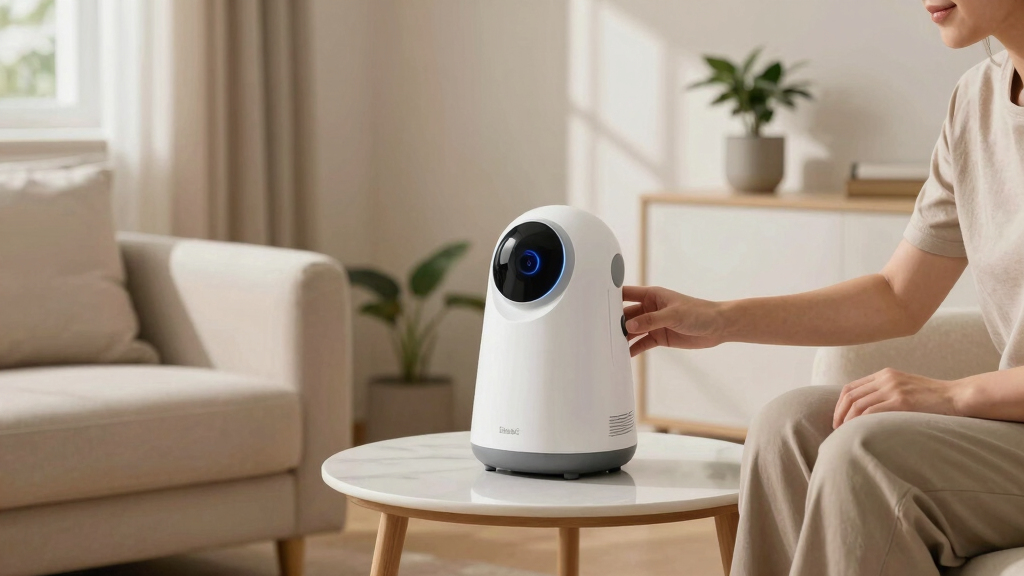
umissfun Emotional AI Companion Device,AI Chat Companion, AI Desktop Robot Companion,Voice Understanding,Personality Design,Tech&Gadget Gift,Geek,Desktop Setup,True Empathy AI-Grows with You (Gray)

An AI companion device offering emotional support, personalized conversations, and multimedia interactions to foster constant companionship and understanding.
As an affiliate, we earn on qualifying purchases.
As an affiliate, we earn on qualifying purchases.
Background
While AI chatbots have become more sophisticated and widespread in recent years, their use for emotional intimacy among asexual populations is still rare. The trend gained attention after promotional campaigns during Asexual Awareness Week 2025, and personal stories have surfaced on social media and forums. Historically, asexuality has been misunderstood or overlooked, and this new use of AI could either be a form of self-exploration or a sign of unmet social needs. Experts emphasize that most in the community value face-to-face interactions and that AI use remains limited.
“Considering that we’re fully capable of having relationships with actual human beings, it’s quite disturbing that companies target us for AI companionship under the guise of support.”
— Yasmin Benoit, asexual activist
“We’ve only heard of a few cases where asexual individuals use AI for companionship. Most aces prefer human relationships or community support.”
— Michael Doré, Asexual Visibility and Education Network
“I spend hours creating stories with AI because it helps me explore my fantasies without the need for actual sex.”
— Kor, asexual individual
What Remains Unclear
It remains unclear how widespread AI companionship is among asexual populations, and whether this trend will grow or remain niche. The long-term psychological and social impacts are still unknown, as well as how AI use might influence perceptions of asexuality and human intimacy.
What’s Next
Researchers and community leaders will likely monitor AI use more closely, potentially conducting studies to assess its prevalence and effects. Future developments may include more personalized AI companions or regulations addressing ethical concerns. The community will continue to debate whether this trend is a helpful tool or a problematic distraction.
Key Questions
Is AI companionship common among asexual people?
Currently, AI companionship among asexuals appears to be rare, with only a few known cases. Most community members prefer human relationships and social support.
Does using AI mean someone is not interested in human relationships?
Not necessarily. Some individuals use AI for emotional exploration or as a supplement to human connections, but most still value face-to-face interactions.
Are companies exploiting asexual vulnerability with AI products?
Critics like Yasmin Benoit argue that targeted marketing and free AI promotions risk exploiting vulnerable groups, raising ethical concerns about commercialization.
Could AI companionship replace human relationships?
Most experts agree that AI is unlikely to replace human bonds entirely but may serve as a temporary or supplementary emotional outlet for some individuals.
What are the potential risks of using AI for intimacy?
Risks include social isolation, unrealistic expectations about relationships, and possible emotional dependence on AI companions.