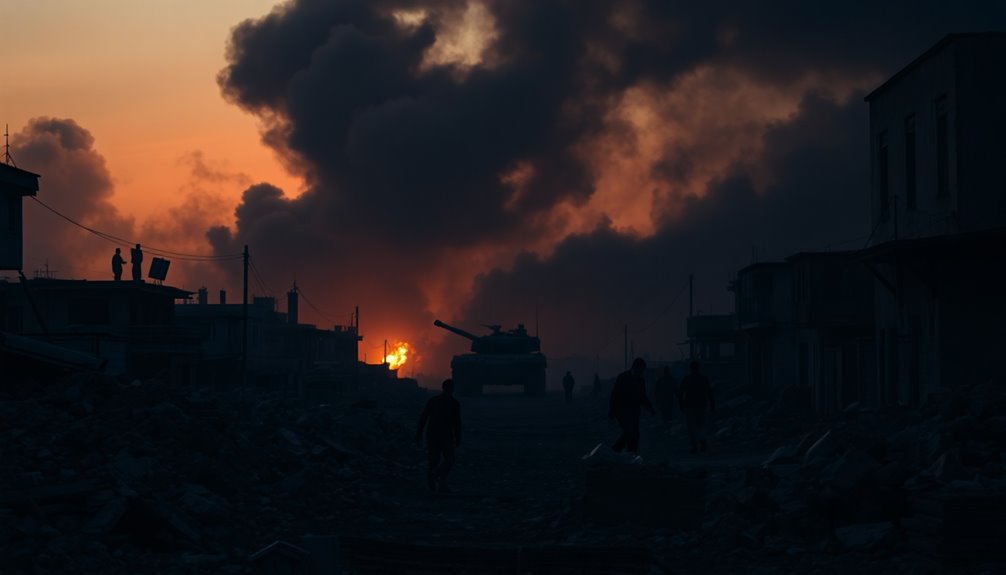

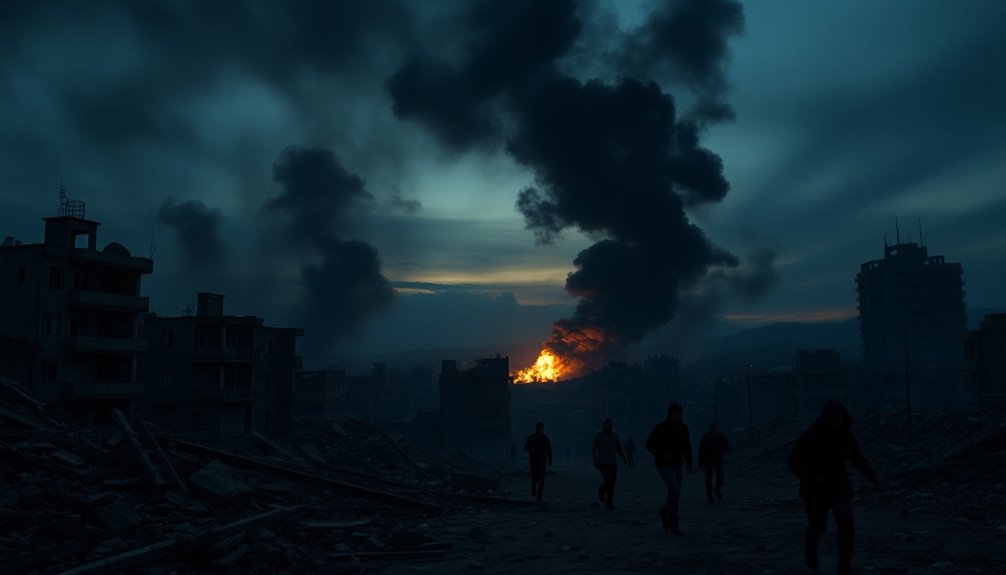
After nearly two months of relative calm, the ceasefire in Gaza has collapsed, triggering a dramatic escalation in violence. The initial peace was brokered by the U.S., Qatar, and Egypt, but negotiations for a second phase hit a wall when Hamas refused to release hostages. As tensions rose, Israel resumed its airstrikes, citing Hamas’ intransigence despite U.S. proposals aimed at facilitating further hostage releases. The collapse occurred during significant religious observances, Ramadan and Passover, which only intensified the stakes for both sides.

Get privacy and security gear delivered free — and shop member deals
- Fast, free delivery on millions of items
- Access to Prime Big Deal Days deals on October 6–7
- Prime Video, Amazon Music and more included
You can’t ignore the dynamics at play. Hamas’ refusal to comply with U.S. proposals created a powder keg situation. Israel’s insistence on the unconditional release of all hostages further escalated matters, leading to their military response. The Trump administration openly supported Israel’s actions, framing Hamas as the culprit for the breakdown in negotiations. Adding to the turmoil, Israel’s blockade on humanitarian aid into Gaza worsened living conditions, creating a dire situation that only fueled further hostilities.
The impact on Gaza has been catastrophic. With the resumption of airstrikes, reports indicate over 400 casualties, including civilians. The blockade has severely restricted essential supplies, including food, medicine, and fuel. As the infrastructure collapses, even basic utilities like water treatment facilities are struggling to operate. The population is left facing increased fear and displacement, with many seeking refuge from the violence. The humanitarian crisis has been exacerbated by the collapse of the ceasefire, leading to increased civilian casualties.
International reactions have been mixed but revealing. While the U.S. continues to back Israel, blaming Hamas for the collapse, the U.N. Security Council is calling for renewed ceasefire efforts and immediate humanitarian aid. Countries like Panama echo the sentiment that Hamas bears responsibility for the violence. Yet, amid these political maneuvers, the urgent need for humanitarian assistance in Gaza remains a pressing issue.
Israel’s military operations have ramped up, with extensive airstrikes targeting Hamas’ infrastructure. The Israeli military aims to pressure Hamas into compliance through force, complicating the situation further as accusations arise about Hamas using civilians as human shields. This conflict is more than just military; it’s a complex interplay of political leaders and military figures, with both sides seeking to negotiate under extreme pressure.
As you can see, the humanitarian crisis deepens, and the blockade of aid exacerbates an already dire situation. The U.N. emphasizes the immediate need for assistance and the renewal of ceasefire discussions, but the path ahead looks increasingly fraught with challenges.
portable water filter for emergencies
As an affiliate, we earn on qualifying purchases.
As an affiliate, we earn on qualifying purchases.
Fall Picks
fall essentials
As an affiliate, we earn on qualifying purchases.