
TL;DR

Get privacy and security gear delivered free — and shop member deals
- Fast, free delivery on millions of items
- Access to Prime Big Deal Days deals on October 6–7
- Prime Video, Amazon Music and more included
Japan’s robot wolves, used to ward off bears, are in short supply due to high demand. The country faces increasing bear encounters, leading to government and private efforts to control the population.
Japan is currently experiencing a shortage of its robot wolves, which are used to deter bears in rural areas, due to overwhelming demand that exceeds manufacturing capacity.
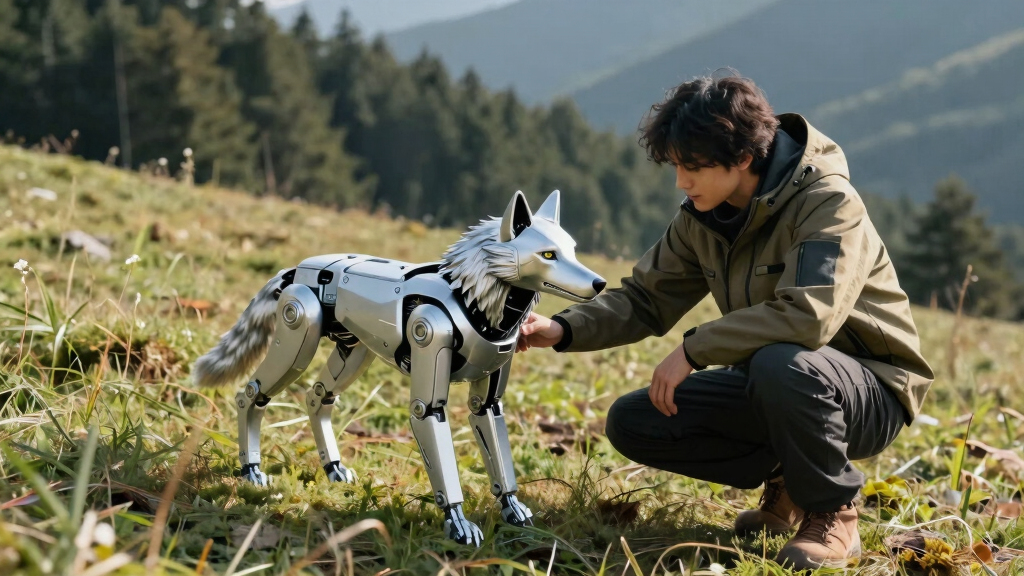
The robot wolves, developed by Ohta in 2016, are designed to ward off bears and other wildlife through realistic appearance, sounds, and sensors. Each unit costs around $4,000 and features LED eyes, fangs, solar panels, and over 50 sound clips, including human voices and sirens.
Ohta, the manufacturer, reports that it cannot keep up with the demand, with customers facing wait times of two to three months. The demand has surged as bear encounters in Japan have increased, driven by urban expansion encroaching on bear habitats and food sources, and an aging rural population more vulnerable to attacks.
Since the start of 2025, Japan has documented over 200 injuries and 13 fatalities from bear attacks, more than doubling previous records. Over 50,000 bear sightings have been reported nationwide. In response, the government deployed military units in 2025 to cull bear populations, capturing and euthanizing over 14,600 animals, nearly triple the previous year’s figure.
Why It Matters
This shortage of robot wolves highlights the severity of Japan’s bear problem, which poses safety risks to rural residents and visitors. The increasing attacks and sightings underscore the challenge of balancing wildlife conservation with human safety, and the reliance on innovative deterrents reflects the urgency of the situation.
robot wolf wildlife deterrent
As an affiliate, we earn on qualifying purchases.
As an affiliate, we earn on qualifying purchases.
Background
Japan has seen a steady rise in bear encounters over recent years, linked to habitat loss and food scarcity caused by urban development. The government and private entities have employed various methods, including military culls and technological deterrents like robot wolves, to manage the growing bear population. The robot wolf initiative, launched in 2016, was initially successful but has been overwhelmed by current demand amid the crisis.
“We make them by hand. We cannot make them fast enough now. We are asking our customers to wait two to three months.”
— Yuji Ohta, President of Ohta
“Bear encounters have increased significantly this year, and safety measures are being prioritized.”
— Japanese government official (unnamed)
What Remains Unclear
It is not yet clear how long the supply shortage will persist or whether new manufacturing solutions will be implemented to meet demand. The effectiveness of upcoming upgraded versions, such as those with mobility features, remains to be seen as they are still in development.
What’s Next
Ohta plans to accelerate production and introduce new versions with mobility features, including wheel-chased models. The government is expected to continue deploying and expanding bear management strategies, possibly integrating new deterrent technologies.
Key Questions
Why are Japan’s robot wolves in such high demand?
The robot wolves are in high demand because they are an effective, non-lethal method to ward off bears, which are increasingly encroaching on human settlements and causing injuries and fatalities.
How long will the current supply shortage last?
It is unclear how long the supply issues will persist, as manufacturing capacity is currently overwhelmed by demand, and new production methods are still being developed.
Are there alternative methods being used to control bears?
Yes, Japan has deployed military units to cull bear populations and is also encouraging residents to follow safety tips, but technological deterrents like robot wolves are considered crucial for long-term management.
What are the plans for future versions of robot wolves?
Upcoming versions will include mobility features like wheels for patrolling routes and chasing animals, with some models designed for outdoor enthusiasts and children, but these are still in development.
Halloween Picks
halloween
As an affiliate, we earn on qualifying purchases.